What is moringa?
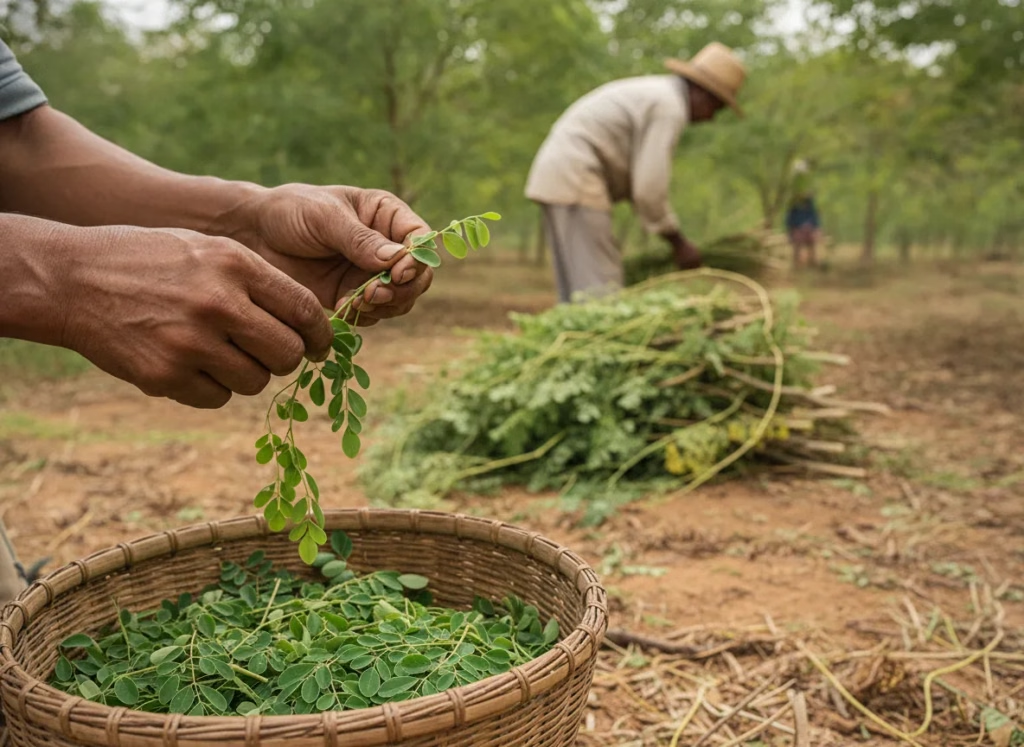
Moringa oleifera is a fast-growing tree native to northern India and now cultivated across tropical Asia, Africa and Latin America. Nicknamed the drumstick tree (for its long seed pods) or horseradish tree (for the taste of its roots), it is valued in many regions as a food. Its leaves are rich in protein, vitamins A and C, calcium, potassium, iron and a range of antioxidant compounds, including polyphenols, flavonoids and glucosinolates.
Moringa leaf powder has become a popular “superfood” in Western markets, often promoted for energy, blood sugar and overall wellness.
What the research says
A 2015 review in Phytotherapy Research found that leaf extracts show strong antioxidant activity and that animal safety studies using water-based leaf extracts indicate a high degree of safety. It noted five small human studies using powdered whole leaf, which suggested blood-sugar-lowering and cholesterol-lowering effects. The authors described the results as promising but called for more human studies using standardized extracts, and noted that product standardization is an issue.
Most of the remaining evidence, including reported liver-protective, anti-inflammatory and neuroprotective effects, comes from laboratory and animal research. We found no good human trials showing that moringa improves memory, focus or pineal gland function.
How it’s used in supplements
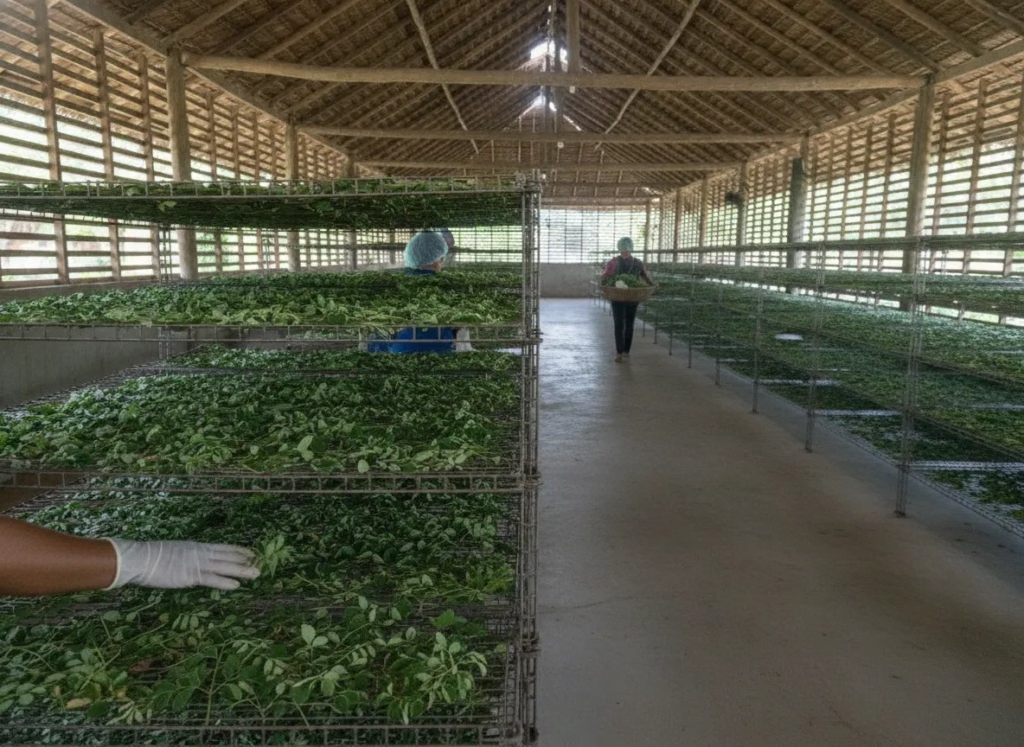
Moringa is sold as leaf powder, capsules, teas and extracts. Human studies have typically used a few grams of leaf powder per day, amounts that also provide meaningful nutrition. A drop of a multi-ingredient liquid would contain a negligible amount.
Moringa leaf is generally considered safe as a food. Large amounts may cause digestive upset or a laxative effect. Because it may lower blood sugar and blood pressure, people taking diabetes or blood pressure medication should monitor closely and talk to their doctor. Moringa may also affect how the liver processes certain drugs and may interact with levothyroxine. The root and bark contain compounds that may be toxic and have traditionally been associated with miscarriage, so pregnant women should avoid moringa products other than ordinary food use of the leaves, and should check with their doctor even then.
Bottom line: moringa is a nutritious leaf with early evidence for metabolic health, but it is not a proven brain supplement.
If moringa appeals to you, the leaf powder can be stirred into soups, smoothies or sauces. Because it is a food first, buying a reputable leaf powder and using it in cooking is a more transparent way to get its nutrients than a proprietary multi-ingredient formula.
How much moringa per day? Powder vs capsules
There is no official dose. Human studies have used whole leaf powder in gram amounts. A review reported no adverse effects in human studies at up to a single 50 g dose or 8 g per day for 40 days (Stohs and Hartman, 2015). A 2025 meta-analysis of nine randomized trials grouped studies by dose and noted that any signals of benefit appeared mainly at doses below 10 g per day (Crișan et al., 2025).
Moringa capsules contain much less than a gram each, so matching gram-level study amounts usually takes several capsules. Check the label for the amount of leaf powder or extract per capsule and whether it is whole leaf or a concentrated extract, because extracts are not directly comparable with powder. Leaf powder used as food, stirred into soups or smoothies, is often the simplest way to reach study amounts. Start low, since larger amounts can cause digestive upset.
What newer research shows on moringa benefits
Earlier reviews described promising effects on blood sugar and cholesterol from small human studies. The most rigorous newer analysis is more cautious. The 2025 meta-analysis pooled 9 randomized trials with about 650 adults and found no significant effect on most cardiometabolic outcomes, including blood lipids, blood sugar and body weight. A modest drop in diastolic blood pressure did not hold up in sensitivity analyses, and the authors rated the certainty of all findings as very low (Crișan et al., 2025).
In short, moringa is a nutritious leaf, but human evidence does not yet show reliable effects on blood sugar or cholesterol. If blood sugar support is your goal, compare the evidence for options like berberine and cinnamon, and talk to your doctor before combining any of them with diabetes medication.
Moringa during pregnancy and breastfeeding
Moringa leaf has a long history as a food and as a traditional milk-supply aid in parts of Asia, including the Philippines, where it is called malunggay. The NIH LactMed database reports that a meta-analysis of 14 studies found moringa increased prolactin and milk volume, with no serious short-term adverse effects in nursing mothers or their infants. LactMed also notes that moringa may stimulate blood clotting, so caution is advised for anyone at high risk of blood clots (LactMed, Moringa).
During pregnancy, avoid moringa supplements and any root or bark products, and use the leaves only as an ordinary food after checking with your doctor or midwife. If you are breastfeeding, a lactation consultant or doctor should evaluate milk supply concerns before you rely on any herb. For a different green superfood, see our page on spirulina.
Frequently asked questions
What are the benefits of moringa?
Moringa leaf is rich in protein, vitamins A and C, calcium, potassium and antioxidant compounds, so it is nutritious as a food. Small early studies suggested effects on blood sugar and cholesterol, but a 2025 meta-analysis of nine randomized trials found no significant effect on most cardiometabolic outcomes, with very low certainty evidence.
How much moringa should I take per day?
There is no official dose. Human studies have used gram amounts of leaf powder, and a review reported no adverse effects at up to 8 g per day for 40 days. Start with a smaller amount, since large amounts can upset digestion, and talk to your doctor if you take medication for blood sugar, blood pressure or thyroid.
Are moringa capsules as good as moringa powder?
They contain the same leaf, but much less of it per serving. Because each capsule holds less than a gram, matching the gram amounts used in studies takes several capsules. Check whether the capsule holds whole leaf powder or a concentrated extract, and look for third-party testing for purity.
What are the side effects of moringa?
Moringa leaf is generally well tolerated as a food. Large amounts can cause digestive upset or a laxative effect. It may lower blood sugar and blood pressure, may interact with levothyroxine and some liver-processed drugs, and may stimulate blood clotting, so people at high risk of clots should be cautious and talk to their doctor.
Is moringa safe during pregnancy?
Moringa supplements are not recommended during pregnancy. The root and bark contain compounds traditionally linked to miscarriage, and there is too little research on concentrated leaf products in pregnancy. Ordinary food use of the leaves may be acceptable, but check with your doctor or midwife first.
Does moringa increase breast milk supply?
Possibly. The NIH LactMed database reports a meta-analysis of 14 studies in which moringa increased prolactin and milk volume, with no serious short-term adverse effects in mothers or infants. Long-term effects are not well studied, and it should not replace evaluation by a lactation consultant or doctor.
Can moringa lower blood sugar?
Early small studies and animal research suggested it might, but a 2025 meta-analysis of randomized trials found no significant effect on blood sugar measures overall. If you take diabetes medication, do not use moringa as a substitute, and talk to your doctor before combining them so your blood sugar can be monitored.
Safety and cautions
Leaves are generally safe as food; large amounts may cause digestive upset. May lower blood sugar and blood pressure; monitor if you take diabetes or blood pressure medication. May interact with levothyroxine and drugs processed by the liver. Root and bark may be toxic and have been linked to miscarriage; pregnant women should avoid moringa supplements.
Supplements we reviewed that contain it
★★☆☆☆
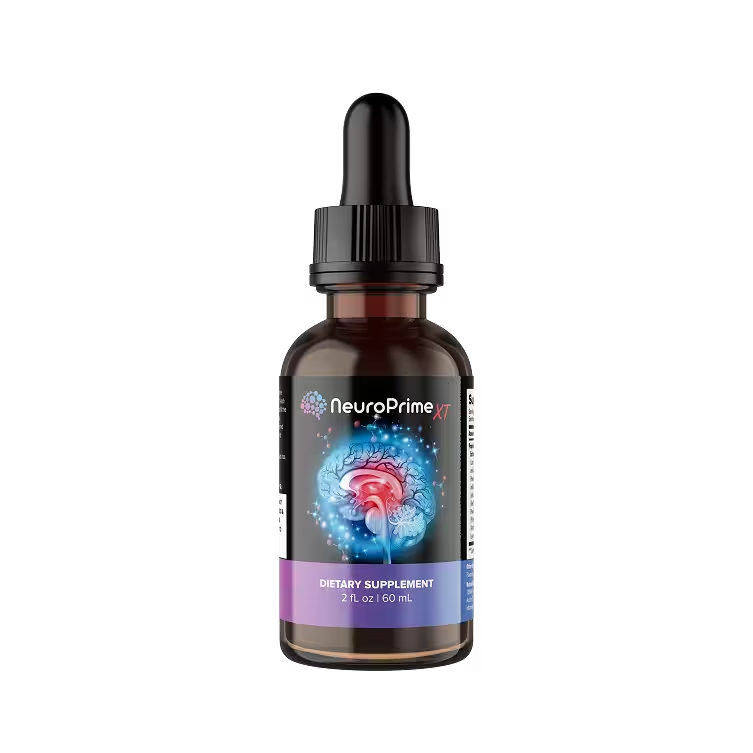
NeuroPrime reviewNeuroPrime is a liquid memory supplement listing nine botanicals, including bacopa, ginkgo and lion's mane, sold without any disclosed ingre...

★★☆☆☆
Pineal Guardian reviewPineal Guardian is a liquid supplement with pine bark, ginkgo, bacopa, lion's mane and green superfoods, marketed for memory and pineal heal...
Reader reviews
No reader reviews yet. If you have tried Moringa, you can be the first to share how it went.
Reader reviews are personal opinions from visitors. We do not verify purchases, and reviews are not medical advice. We publish positive and negative reviews alike; see our review guidelines.