What is tamarind?
Tamarind (Tamarindus indica) is a large tropical tree in the legume family whose brown, pod-like fruit contains a sweet-sour pulp. Native to tropical Africa and long cultivated in India, it is a staple flavor in South Asian, Southeast Asian, Mexican and Caribbean cooking. Its name comes from a Persian phrase meaning “date of India.” Every part of the tree, from the leaves and bark to the seeds and pulp, has been used in traditional medicine.
Tamarind pulp is a source of tartaric acid, fiber, potassium and polyphenols. Its seeds contain a polysaccharide (tamarind seed polysaccharide) used in food and pharmaceutical products as a thickener.

What the research says
A 2011 review in Pharmacognosy Reviews describes tamarind’s traditional uses for abdominal pain, diarrhea, constipation, fever, wounds and inflammation, and lists reported activities including antidiabetic, antimicrobial, antioxidant, liver-protective, laxative and cholesterol-lowering effects. These findings come mostly from laboratory and animal studies using various extracts of different plant parts.
Human clinical research on tamarind is limited and does not address cognition, memory or the pineal gland. Some online sources claim tamarind helps remove fluoride from the body, which is relevant to the “pineal detox” idea, but we did not find good clinical evidence for this, and nothing shows that it changes pineal calcification or brain function. We did not find evidence that tamarind supplements improve memory in people.

How it’s used in supplements
Tamarind is used far more as a food than as a supplement. When it does appear in supplements, it is often in digestive formulas, as a natural laxative, or in “detox” products. Amounts and extract types vary widely, and there is no established effective dose for any health outcome.
As a food, tamarind is safe for most people. In larger amounts it can have a laxative effect. Because laboratory and animal studies suggest it may lower blood sugar, people taking diabetes medication should be cautious with concentrated extracts. Tamarind has been reported to increase the absorption of some drugs, including aspirin and ibuprofen, which in theory could raise the risk of side effects such as bleeding; people taking these medicines or blood thinners regularly should check with their doctor before using concentrated tamarind products.
Bottom line: tamarind is a nutritious and flavorful fruit, but as a supplement ingredient for brain health it has no meaningful evidence behind it.
If you enjoy tamarind, the most sensible way to get it is in food, such as chutneys, sauces and drinks, where it adds flavor along with fiber and potassium. A few drops of a multi-ingredient liquid will not provide any meaningful amount.
Safety and cautions
Safe as a food for most people; large amounts can have a laxative effect. May lower blood sugar. May increase absorption of aspirin and some other drugs; talk to your doctor if you take aspirin, NSAIDs or blood thinners regularly. Concentrated extracts have not been studied in pregnancy or breastfeeding.
Supplements we reviewed that contain it
★★☆☆☆
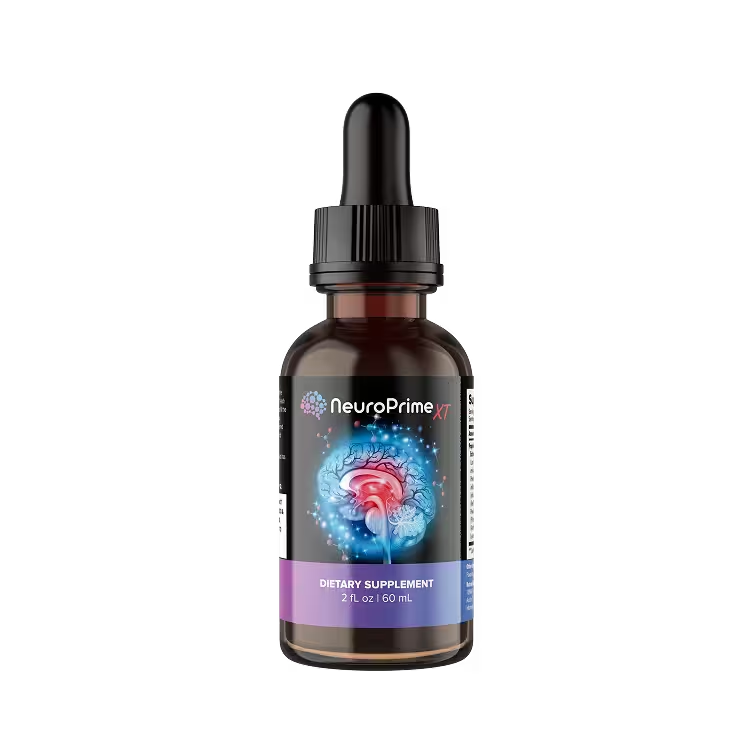
NeuroPrime reviewNeuroPrime is a liquid memory supplement listing nine botanicals, including bacopa, ginkgo and lion's mane, sold without any disclosed ingre...

★★☆☆☆
Pineal Guardian reviewPineal Guardian is a liquid supplement with pine bark, ginkgo, bacopa, lion's mane and green superfoods, marketed for memory and pineal heal...
Reader reviews
No reader reviews yet. If you have tried Tamarind, you can be the first to share how it went.
Reader reviews are personal opinions from visitors. We do not verify purchases, and reviews are not medical advice. We publish positive and negative reviews alike; see our review guidelines.