What is spirulina?
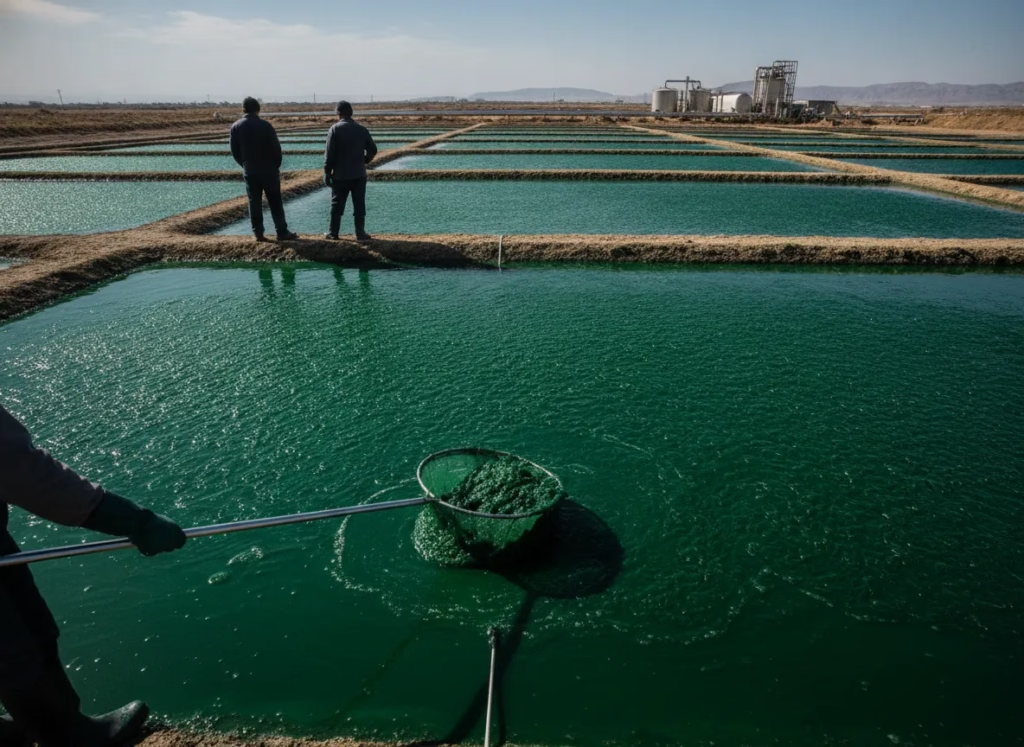
Spirulina is a type of cyanobacteria, often called blue-green algae, that grows in warm alkaline lakes and is commercially farmed in ponds. The species most used are Arthrospira platensis and Arthrospira maxima. It is sold as a deep blue-green powder or tablet and is rich in protein, B vitamins, iron, carotenoids and phycocyanin, the pigment that gives it its color and much of its antioxidant activity.
What the research says
The strongest human evidence for spirulina concerns blood lipids. A 2023 GRADE-assessed systematic review and dose-response meta-analysis pooled 20 randomized controlled trials with more than 1,000 participants and found that spirulina supplementation significantly reduced LDL cholesterol, total cholesterol and triglycerides, and raised HDL cholesterol. Other meta-analyses have explored effects on blood pressure and body weight with mixed results. Most of these trials used daily doses in the range of grams, not milligrams.
Spirulina is sometimes marketed for brain health, energy and detox, including “pineal decalcification.” We found no good human evidence for these uses. Laboratory and animal studies suggest antioxidant and anti-inflammatory activity, but that has not translated into demonstrated cognitive benefits in people.
How it’s used in supplements
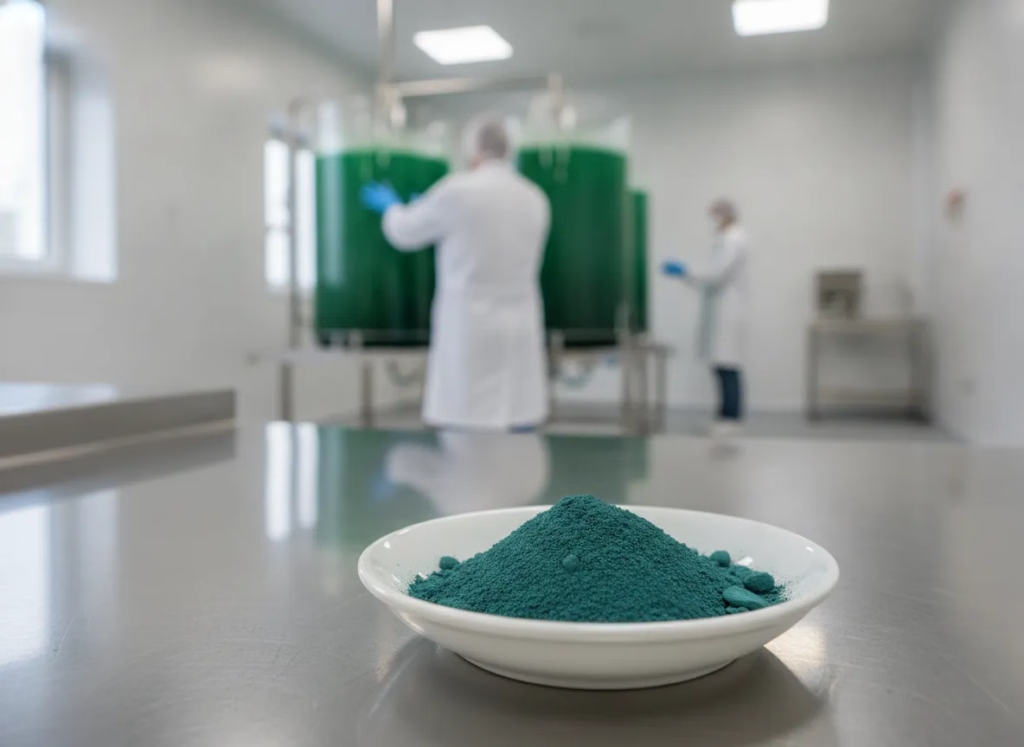
Spirulina is most often taken as powder in smoothies or as tablets, typically 1 to 8 grams per day. At these amounts it contributes protein and micronutrients. In a liquid formula taken by the drop, the amount would be too small to matter nutritionally.
Spirulina is generally safe when it comes from a reputable source. The main concern is contamination: blue-green algae harvested from uncontrolled environments can contain microcystins (liver toxins), heavy metals or harmful bacteria, so third-party testing matters. Spirulina can cause mild digestive upset. Because it may stimulate the immune system, people with autoimmune conditions such as lupus, multiple sclerosis or rheumatoid arthritis, or those taking immunosuppressive drugs, should avoid it unless their doctor agrees. People with phenylketonuria (PKU) should avoid it because it contains phenylalanine. Children and pregnant or breastfeeding women should use it only with medical advice, given the contamination risk.
Bottom line: spirulina is a legitimate nutrient-rich food with modest evidence for cholesterol, but it is not a memory supplement.
If you want to add spirulina to your diet, choose a product with independent testing for microcystins and heavy metals, start with a small amount, and treat it as a food rather than a treatment. People taking medications that suppress the immune system should ask their doctor first. Like chlorella, it is best judged by the grams you actually take, which a drop-based liquid product cannot provide.
How much spirulina per day?
There is no official recommended intake. Human trials have mostly used 1 to 8 grams per day, usually as powder or tablets. The cholesterol findings come from a 2023 meta-analysis that pooled 20 randomized trials with 1,076 participants, all at gram-level doses. In practice that means several tablets or a teaspoon or more of powder; a product that provides milligrams is unlikely to match the research.
Starting with a small amount and increasing gradually can help with digestive tolerance. If you take medication, have an autoimmune condition, or are pregnant or nursing, talk to your doctor before using spirulina at any dose. For heart-related nutrition more broadly, see our heart and circulation hub.
Spirulina side effects and contamination: what the testing shows
The NIH LactMed database describes spirulina grown under controlled conditions as generally well tolerated, with minor side effects such as diarrhea, bloating, upset stomach, gas, headache and flushing. It also warns that products grown in uncontrolled conditions can contain heavy metals and that some are contaminated with Microcystis aeruginosa, which produces liver toxins called microcystins (LactMed, Spirulina).
The worst contamination problems have involved wild-harvested blue-green algae rather than farmed spirulina. In Oregon, microcystins were found in 85 of 87 tested blue-green algae products, most of them made from Aphanizomenon flos-aquae harvested from Upper Klamath Lake, and the state set a limit of 1 microgram per gram (Gilroy et al., 2000). An Italian survey of 17 brands found spirulina-only products free of microcystins, while Aphanizomenon products were contaminated at variable levels (Vichi et al., 2012). A US Pharmacopeia expert committee review assigned spirulina a Class A safety rating, allowing quality monographs for it (Marles et al., 2011).
Practical takeaway: choose a product that is spirulina only (Arthrospira platensis or maxima), farmed rather than wild harvested, and independently tested for microcystins and heavy metals. One more point: spirulina is not a reliable vitamin B12 source, because most of its B12-like compounds are an inactive form called pseudovitamin B12 (Watanabe et al., 1999).
Spirulina vs chlorella
| Spirulina | Chlorella | |
|---|---|---|
| What it is | A cyanobacterium (blue-green alga) | A single-celled green alga |
| Main pigment | Phycocyanin (blue) plus chlorophyll | Chlorophyll |
| Cell wall | No tough cellulose wall | Tough, so products are often labeled “broken cell wall” |
| Main quality concern | Microcystins and heavy metals if poorly sourced | Heavy metals and purity if poorly sourced |
Both are sold as tablets and powders and are best thought of as concentrated foods. Neither is a reliable source of active vitamin B12 for vegans without testing. If you are choosing between greens powders, our page on moringa covers another popular option.
Frequently asked questions
What are the benefits of spirulina?
Spirulina is a protein-rich blue-green alga that supplies B vitamins, iron and antioxidant pigments such as phycocyanin. The best human evidence concerns blood lipids: a 2023 meta-analysis of 20 randomized trials found lower LDL cholesterol, total cholesterol and triglycerides at gram-level doses. Evidence for energy, detox and brain claims is weak.
How much spirulina should I take per day?
There is no official dose. Most human studies used 1 to 8 grams per day, which is several tablets or about a teaspoon or more of powder. Start low and increase gradually to check tolerance, and talk to your doctor first if you take medication, have an autoimmune condition, or are pregnant or nursing.
What are the side effects of spirulina?
Spirulina grown under controlled conditions is generally well tolerated. Reported minor side effects include diarrhea, bloating, upset stomach, gas, headache and flushing. The more serious risk is contamination with liver toxins called microcystins or heavy metals in poorly sourced products, so choose independently tested brands.
Is spirulina contaminated with microcystins or heavy metals?
It can be, but contamination has mostly involved wild-harvested blue-green algae such as Aphanizomenon flos-aquae. An Italian survey found spirulina-only products free of microcystins, while Oregon testing found microcystins in most Klamath Lake algae products. Buy farmed spirulina that is third-party tested for microcystins and heavy metals.
Is spirulina or chlorella better?
Neither is clearly better; they are different organisms. Spirulina is a cyanobacterium with a soft cell wall and the blue pigment phycocyanin, and has the stronger evidence for blood lipids. Chlorella is a green alga with a tough cell wall. Choose based on testing for purity, not marketing claims.
Is spirulina a good source of vitamin B12?
No. Testing has shown that most of the B12-like material in spirulina tablets is pseudovitamin B12, which is inactive in humans. People who rely on plant foods, such as vegans, should use a proven B12 source like a supplement or fortified foods and ask their doctor about checking B12 levels.
Who should not take spirulina?
People with phenylketonuria (PKU) should avoid it, and people with autoimmune diseases or taking immunosuppressive drugs should avoid it unless their doctor approves. Children and anyone pregnant or breastfeeding should use it only with medical advice because of contamination risk. Talk to your doctor before starting it.
Safety and cautions
Choose tested products; contaminated blue-green algae can contain liver toxins and heavy metals. May cause mild digestive upset. May stimulate the immune system; avoid with autoimmune disease or immunosuppressants unless your doctor approves. Avoid with phenylketonuria (PKU). Use in children, pregnancy and breastfeeding only with medical advice.
Supplements we reviewed that contain it
★★☆☆☆
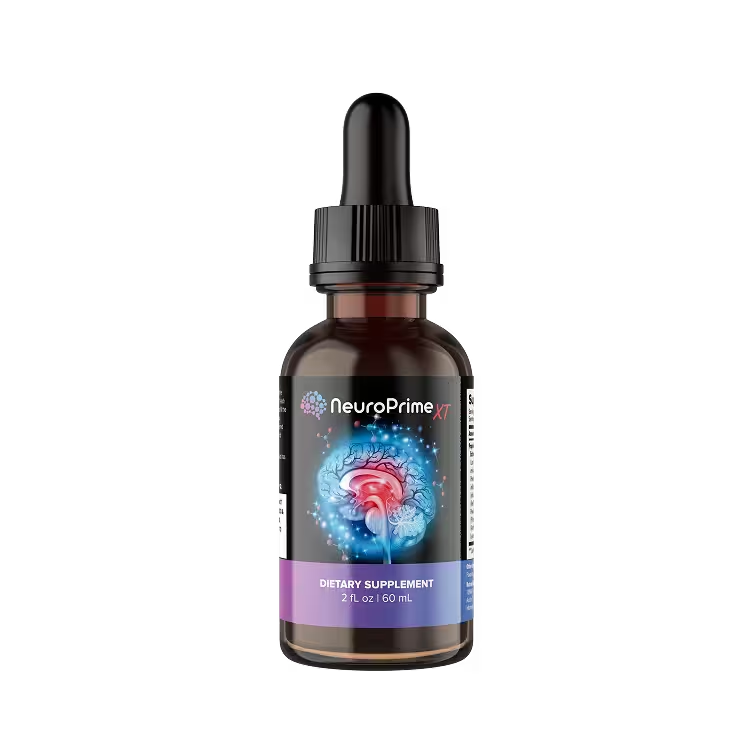
NeuroPrime reviewNeuroPrime is a liquid memory supplement listing nine botanicals, including bacopa, ginkgo and lion's mane, sold without any disclosed ingre...
★★☆☆☆
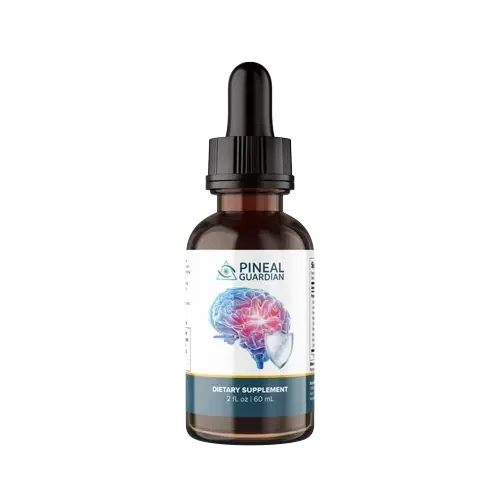
Pineal Guardian reviewPineal Guardian is a liquid supplement with pine bark, ginkgo, bacopa, lion's mane and green superfoods, marketed for memory and pineal heal...
Reader reviews
No reader reviews yet. If you have tried Spirulina, you can be the first to share how it went.
Reader reviews are personal opinions from visitors. We do not verify purchases, and reviews are not medical advice. We publish positive and negative reviews alike; see our review guidelines.
Write a review
Sources
- The effect of Spirulina supplementation on lipid profile: GRADE-assessed systematic review and dose-response meta-analysis of data from randomized controlled trials. Pharmacol Res, 2023
- Spirulina. , 2006
- Assessing potential health risks from microcystin toxins in blue-green algae dietary supplements. Environ Health Perspect, 2000
- Contamination by Microcystis and microcystins of blue-green algae food supplements (BGAS) on the Italian market and possible risk for the exposed population. Food Chem Toxicol, 2012
- United States pharmacopeia safety evaluation of spirulina. Crit Rev Food Sci Nutr, 2011
- Pseudovitamin B(12) is the predominant cobamide of an algal health food, spirulina tablets. J Agric Food Chem, 1999
- Health risks of cyanotoxin contamination in dietary supplements: Mechanistic insights into organ-specific toxicity. Food Chem Toxicol, 2026