What is cinnamon?
Cinnamon is a spice made from the dried inner bark of Cinnamomum trees. NCCIH explains that there are two main types: Ceylon cinnamon (Cinnamomum verum), often called “true” cinnamon and grown mainly in Sri Lanka, and cassia cinnamon (Cinnamomum aromaticum), which is the type most commonly sold in North America. Cinnamon has a long history in traditional medicine in China, India and Persia, and today it is promoted as a supplement for diabetes and weight loss.

What the research says
Cinnamon is one of the most studied spices for blood sugar, but the results are hard to interpret. NCCIH notes that it is often unclear which species or part of the plant was tested, and the chemistry differs considerably between them. Its overall conclusion is that research does not clearly support cinnamon for any health condition and that it is unclear whether it helps with diabetes or weight loss.
NCCIH’s review of supplements for diabetes adds detail. A 2019 review of 16 studies with 1,098 participants found that cinnamon supplementation reduced fasting blood glucose and insulin resistance in people with prediabetes and type 2 diabetes, but the studies differed in dose, duration and participants. Other reviews found possible effects on blood pressure and blood lipids, with smaller effects in Western countries, in higher-quality studies and in studies lasting longer than two months. In the same fact sheet, NCCIH groups cinnamon with chromium and berberine as supplements with weak evidence of a possible benefit, while stressing that there is no reliable evidence any herbal supplement can control diabetes.

How it’s used in supplements
Blood sugar formulas typically include cinnamon bark powder or extract, often without stating the species or the amount. That matters for two reasons. First, without a dose you cannot compare a product with the amounts used in research. Second, cassia cinnamon contains varying levels of coumarin, a compound that might cause or worsen liver problems. NCCIH says cassia usually does not contain enough coumarin to cause harm, but prolonged use of high-coumarin products could be a concern for people with liver disease.
Cinnamon is likely safe in food amounts, and NCCIH notes that supplemental doses below 6 grams per day do not appear to pose a health risk for most people. Higher amounts can cause digestive upset or allergic reactions. Because cinnamon may lower blood glucose, people taking insulin or other diabetes medicines should talk with their doctor first, since combining herbs with diabetes drugs can cause unwanted effects. Large supplemental amounts are best avoided during pregnancy.
Ceylon vs cassia cinnamon: the coumarin difference
Coumarin is a natural flavor compound that can harm the liver in a subset of people. European regulators set a tolerable daily intake of 0.1 mg per kilogram of body weight, and German researchers found that heavy users of cassia cinnamon can reach that limit through diet alone (Abraham et al., 2010). For a 70 kg (154 lb) adult, that limit is 7 mg of coumarin a day.
The type of cinnamon makes a big difference:
- Ceylon cinnamon (Cinnamomum verum) contained only traces of coumarin in a University of Mississippi analysis (Wang et al., 2013).
- Cassia cinnamon (Chinese, Saigon and Indonesian types) contained substantial coumarin. The same study detected coumarin in every store-bought cinnamon, cinnamon-flavored food and cinnamon supplement it tested in the US, most likely from Indonesian cassia.
- Levels vary widely. In German retail samples, cassia sticks ranged from undetectable to about 10,000 mg per kg, which is up to 10 mg of coumarin per gram (Woehrlin et al., 2010). At that level, less than one gram could exceed the daily limit for a 70 kg adult.
The NIH LiverTox database describes cinnamon as generally well tolerated but notes isolated, rare reports of acute liver injury (LiverTox). If you take cinnamon daily, especially in capsules, choose a product that names Cinnamomum verum or states that it is low in coumarin. Avoid high-dose cassia if you have liver disease or take medicines that affect the liver.
How much cinnamon per day?
No official dose exists. In a meta-analysis of 10 randomized trials in people with type 2 diabetes, doses ranged from 120 mg to 6 g per day for 4 to 18 weeks. Results varied so much between studies that the authors said the best dose and duration are unclear (Allen et al., 2013). NCCIH notes that supplemental doses below 6 g per day do not appear to pose a health risk for most people (NCCIH).
| Form | What to check |
|---|---|
| Cinnamon capsules (powder) | Species named on the label, total grams per day |
| Cinnamon extract | Extract ratio or standardization, and whether coumarin is reduced |
| Blended blood sugar formulas | Whether the cinnamon amount is disclosed at all |
Because cinnamon may lower blood glucose, people taking insulin or other diabetes medicines should talk with their doctor first. Avoid large supplemental amounts during pregnancy. For the full evidence on glucose, read Does Cinnamon Lower Blood Sugar? and our guide to borderline blood sugar on a checkup. For a habit with clearer support, see walking after meals.
Frequently asked questions
What are the benefits of cinnamon supplements?
Cinnamon is mainly studied for blood sugar and cholesterol. A meta-analysis of 10 trials in people with type 2 diabetes found lower fasting glucose and cholesterol but no clear change in A1c, and studies varied widely. NCCIH says research does not clearly support cinnamon for any health condition. Talk to your doctor before using it with diabetes medicines.
How much cinnamon should I take per day?
There is no official dose. Trials used anywhere from 120 mg to 6 g a day for up to 18 weeks, and NCCIH says doses below 6 g per day do not appear to pose a health risk for most people. If you use cassia cinnamon daily, coumarin is the limiting factor, so lower amounts or Ceylon cinnamon are the safer choice.
Is Ceylon or cassia cinnamon better?
For regular supplement use, Ceylon cinnamon is the safer choice because it contains only traces of coumarin, a compound that can harm the liver in sensitive people. Cassia, the type most common in US stores and supplements, can contain substantial and highly variable coumarin. Research on blood sugar has used both types, often without stating which one.
Can cinnamon damage your liver?
Rarely. NIH LiverTox describes cinnamon as generally well tolerated, with isolated, rare reports of acute liver injury. The main concern is coumarin in cassia cinnamon: the tolerable daily intake is 0.1 mg per kg of body weight, and high-coumarin cassia can exceed that in under a gram. People with liver disease should avoid high-dose cassia and talk to their doctor.
Are cinnamon capsules safe?
For most healthy adults, cinnamon capsules below 6 g a day appear safe in the short term, according to NCCIH. Choose a product that names the species, ideally Cinnamomum verum (Ceylon). Higher doses can cause stomach upset or allergic reactions. Check with your doctor if you take diabetes or liver-affecting medicines, or if you are pregnant.
Does cinnamon interact with diabetes medication?
It might. Because cinnamon may lower blood glucose, combining it with insulin or other diabetes medicines could add to their effect and raise the chance of low blood sugar. NCCIH advises people taking diabetes medicines to talk with their health care provider before using cinnamon or other herbal supplements.
Safety and cautions
Generally safe in food amounts and below 6 g per day of supplement. Cassia cinnamon contains coumarin, which may worsen liver disease with prolonged high intake. May add to the effect of diabetes medicines. Higher doses can cause digestive upset or allergic reactions. Avoid large supplemental amounts in pregnancy and talk to your doctor before use.
Supplements we reviewed that contain it
★★☆☆☆
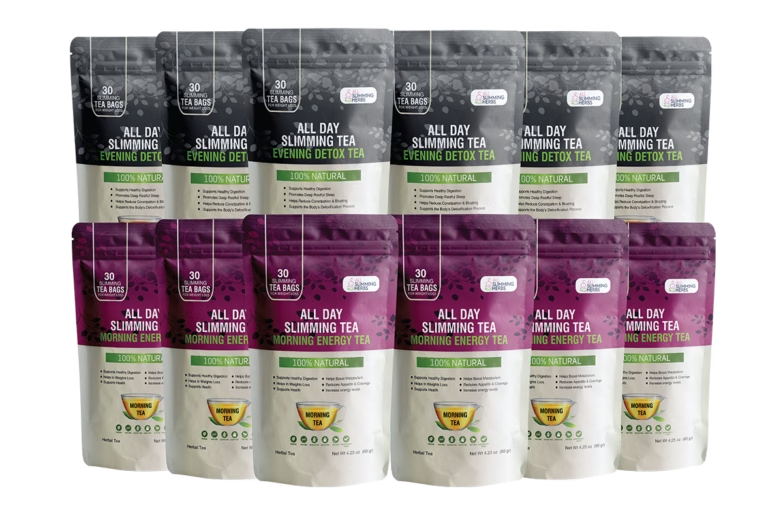
All Day Slimming Tea reviewAll Day Slimming Tea is a two-part herbal tea with a caffeinated green and oolong morning blend and a senna-based evening blend. No amounts ...
★★★☆☆
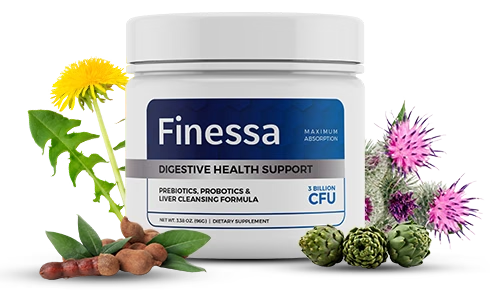
Finessa reviewFinessa is a daily digestive drink powder with fruit polyphenols, a liver herb blend, cascara sagrada and probiotics. Doses are partially di...
★★☆☆☆
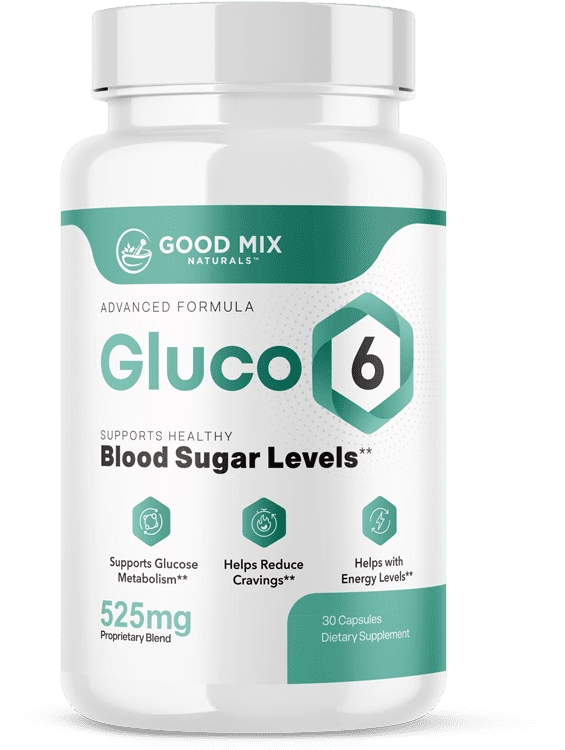
Gluco6 reviewGluco6 is a one-capsule daily blood sugar and weight loss supplement with 1,000 mcg chromium, vitamins B1 and D3, and a 525 mg blend featuri...

★★★☆☆
GlucoTrust reviewGlucoTrust is a bedtime capsule naming gymnema, biotin, chromium, manganese, licorice, cinnamon, zinc and juniper. No supplement facts label...
★★☆☆☆
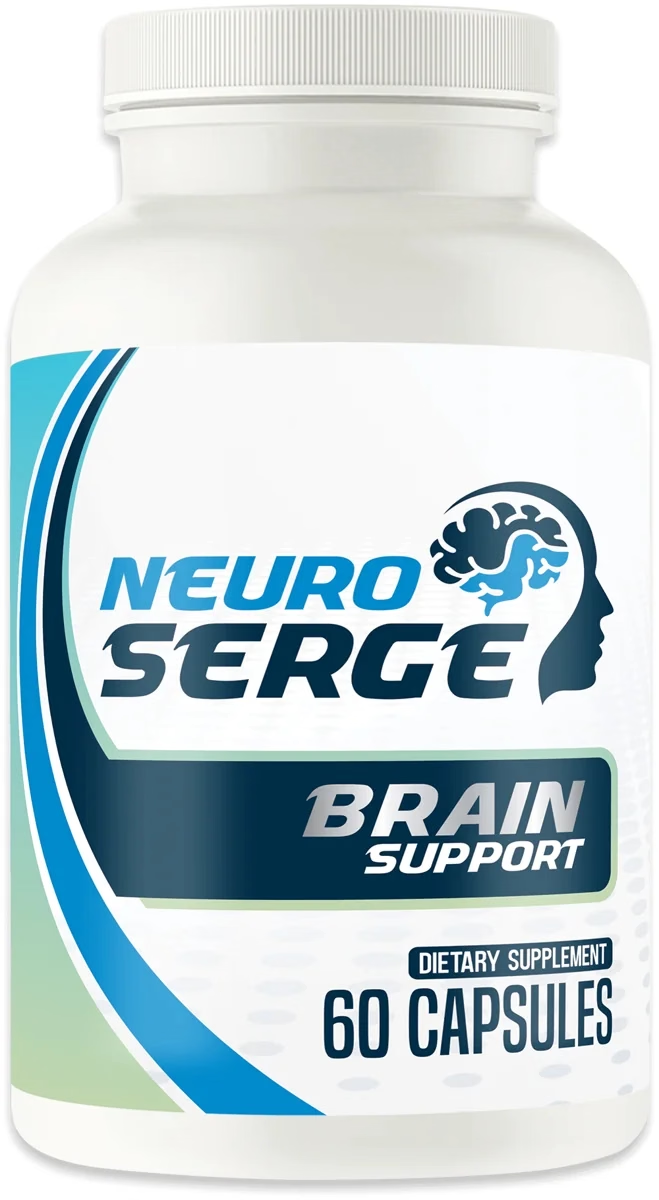
Neuro Serge reviewNeuro Serge is a capsule marketed for brain health that names six botanicals, mostly studied for cardiometabolic health, with no doses discl...
★★★☆☆
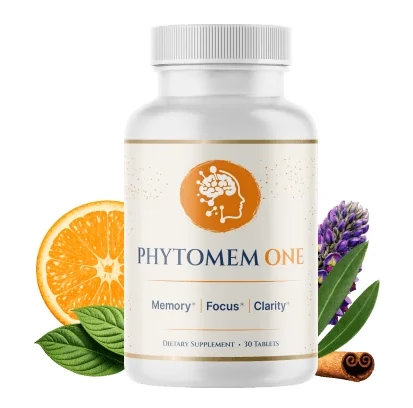
Phytomem One reviewPhytomem One is a 10-ingredient tablet marketed for memory and clarity. Saffron is its only ingredient with relevant human evidence, and no ...
Reader reviews
No reader reviews yet. If you have tried Cinnamon, you can be the first to share how it went.
Reader reviews are personal opinions from visitors. We do not verify purchases, and reviews are not medical advice. We publish positive and negative reviews alike; see our review guidelines.
Write a review
Sources
- Cinnamon: Usefulness and Safety. NCCIH
- Diabetes and Dietary Supplements: What You Need To Know. NCCIH
- Toxicology and risk assessment of coumarin: focus on human data. Mol Nutr Food Res, 2010
- Cassia cinnamon as a source of coumarin in cinnamon-flavored food and food supplements in the United States. J Agric Food Chem, 2013
- Quantification of flavoring constituents in cinnamon: high variation of coumarin in cassia bark from the German retail market and in authentic samples from indonesia. J Agric Food Chem, 2010
- Cinnamon. LiverTox, NIH
- Cinnamon use in type 2 diabetes: an updated systematic review and meta-analysis. Ann Fam Med, 2013