What is pine bark extract?
Pine bark extract is made from the bark of pine trees, most often the French maritime pine (Pinus pinaster) grown along the Atlantic coast of southwestern France. It is rich in procyanidins (also called proanthocyanidins), catechins and phenolic acids. The best-known and most studied version is a patented, standardized extract sold under the brand name Pycnogenol, but many supplements simply list “pine bark extract” without specifying the species or standardization.

What the research says
A 2024 review in Frontiers in Nutrition summarized randomized, double-blind, placebo-controlled trials of Pycnogenol across many areas, including cardiovascular health, chronic venous insufficiency, cognition, joint health, skin, eye health, women’s health, respiratory health and sports performance. The authors describe antioxidant and anti-inflammatory effects and improvements in blood vessel (endothelial) function as possible mechanisms.
Two important caveats apply. First, one of the review’s authors was an employee of the company that markets Pycnogenol, and much of the underlying research has been funded or conducted by groups connected to the manufacturer. Second, many individual trials are small and short. For memory and cognition specifically, results come from a handful of small trials, often in older adults or students, and are not yet strong enough to recommend pine bark for brain health.
Results from a standardized branded extract also cannot be assumed to apply to an unspecified pine bark extract of unknown strength.
How it’s used in supplements
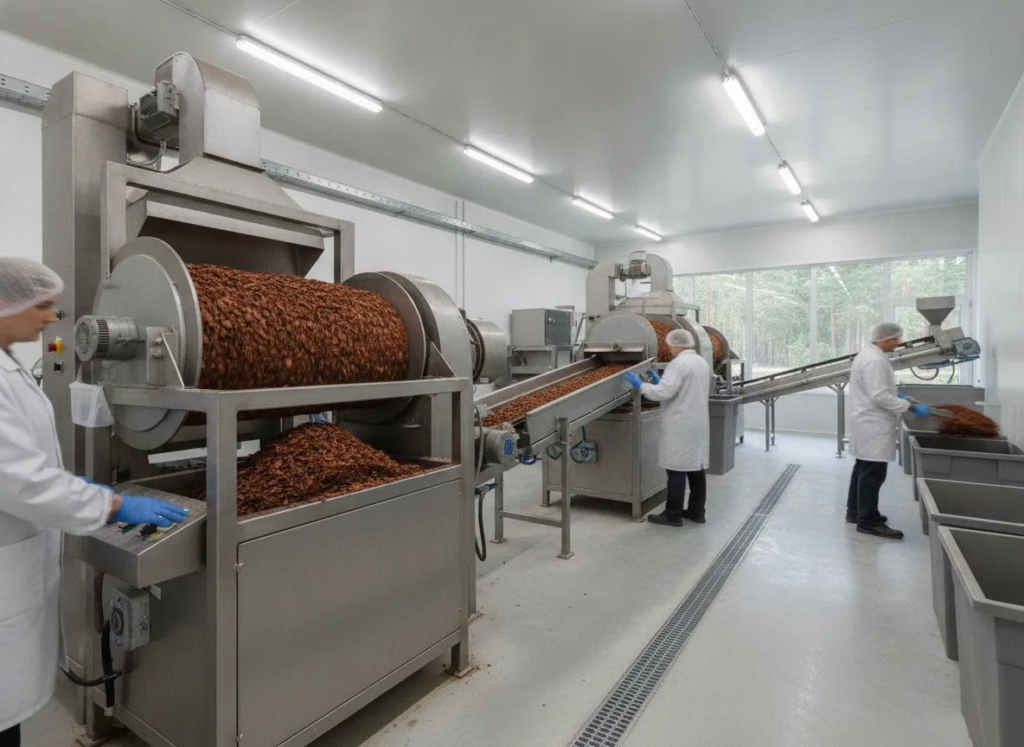
Pine bark extract appears in circulation, skin, joint, eye and cognitive formulas. Many trials used around 100 to 150 mg of standardized extract per day, though some used more. When a product does not state the species, the standardization (for example, percent procyanidins) or the amount, there is no way to compare it with the research.
Pine bark extract is generally well tolerated. Reported side effects include stomach upset, dizziness and headache. Because it may affect platelet function and blood vessel tone, people taking blood thinners or antiplatelet drugs, or preparing for surgery, should talk to their doctor first. It may lower blood sugar, which matters for people taking diabetes medication. It may also stimulate the immune system, so people with autoimmune conditions or on immunosuppressive drugs should be cautious. Safety in pregnancy and breastfeeding has not been established.
Bottom line: pine bark extract is one of the better-researched polyphenol ingredients, but its cognitive evidence is still early, and an undisclosed dose of an unspecified extract tells you very little.
Safety and cautions
Usually well tolerated; may cause stomach upset, dizziness or headache. May affect blood clotting; talk to your doctor if you take blood thinners or antiplatelet drugs or have surgery planned. May lower blood sugar. Use caution with autoimmune conditions or immunosuppressants. Avoid in pregnancy and breastfeeding unless advised by a doctor.
Supplements we reviewed that contain it

★★★☆☆
Joint Genesis reviewJoint Genesis is a once-daily capsule combining 80 mg of Mobilee hyaluronic acid with pine bark, boswellia, ginger and black pepper extract....
★★☆☆☆
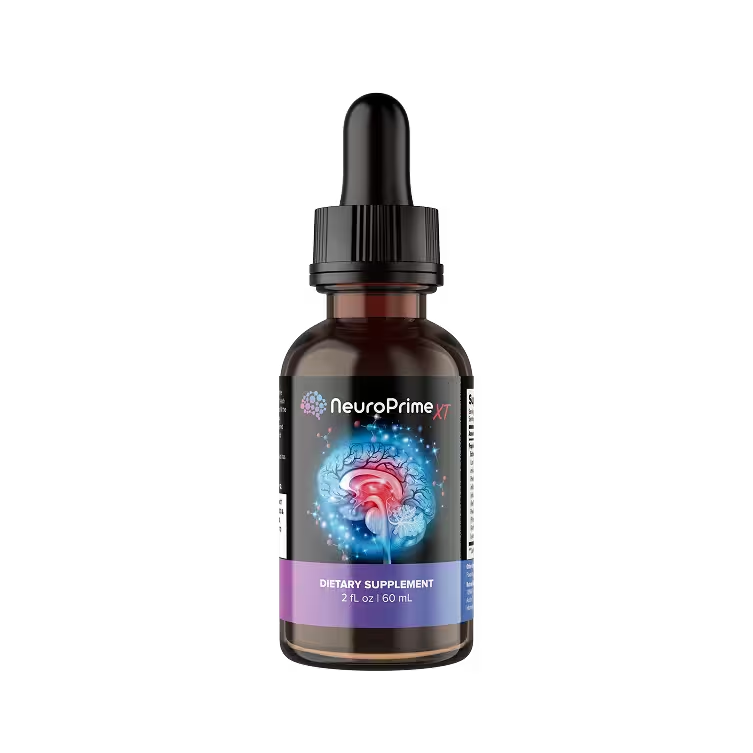
NeuroPrime reviewNeuroPrime is a liquid memory supplement listing nine botanicals, including bacopa, ginkgo and lion's mane, sold without any disclosed ingre...
★★☆☆☆
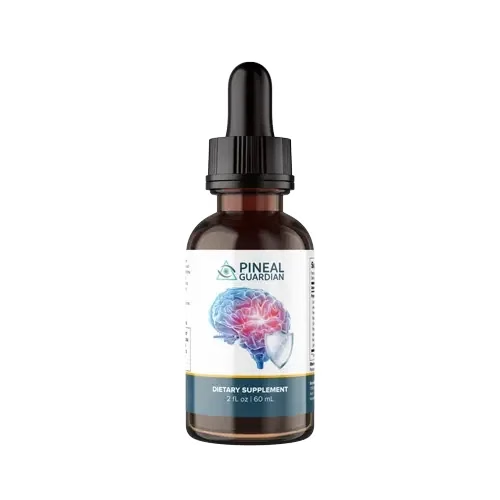
Pineal Guardian reviewPineal Guardian is a liquid supplement with pine bark, ginkgo, bacopa, lion's mane and green superfoods, marketed for memory and pineal heal...
Reader reviews
No reader reviews yet. If you have tried Pine bark extract, you can be the first to share how it went.
Reader reviews are personal opinions from visitors. We do not verify purchases, and reviews are not medical advice. We publish positive and negative reviews alike; see our review guidelines.
Write a review
Sources
- Pycnogenol(®) French maritime pine bark extract in randomized, double-blind, placebo-controlled human clinical studies. Front Nutr, 2024
- Effect of pine bark extract (Pycnogenol) on symptoms of knee osteoarthritis. Phytother Res, 2008
- Pine bark (Pinus spp.) extract for treating chronic disorders. Cochrane Database Syst Rev, 2020