What is lion’s mane?
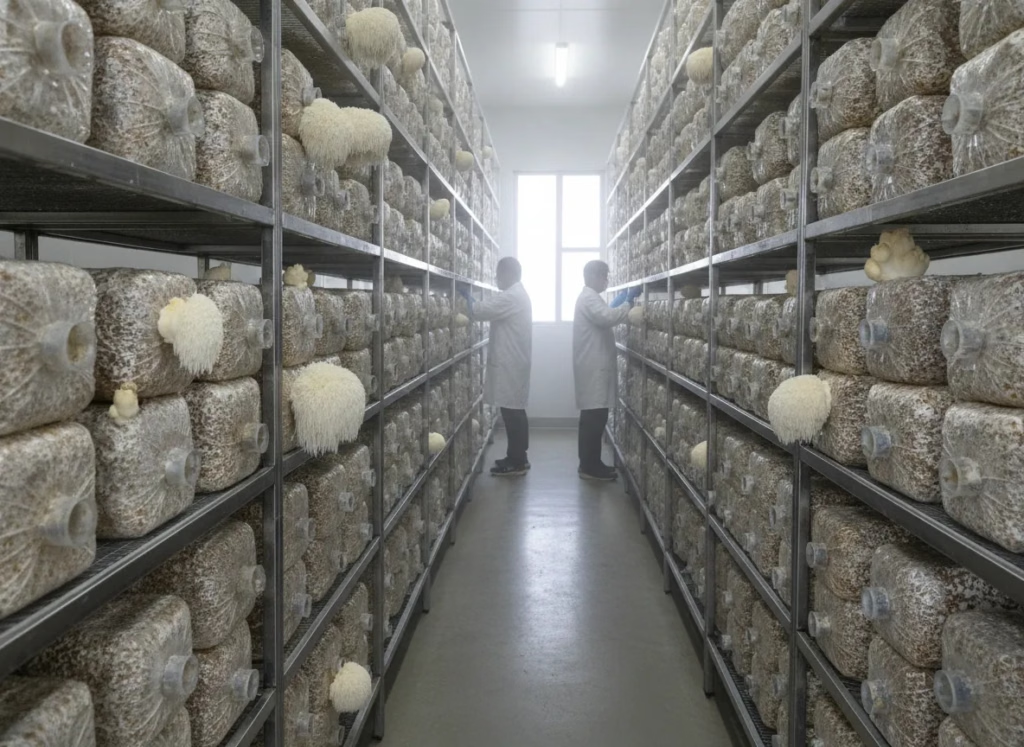
Lion’s mane (Hericium erinaceus) is an edible mushroom with long, shaggy white spines that resemble a lion’s mane. It grows on hardwood trees in North America, Europe and Asia and has a long history in East Asian cooking and traditional medicine. The fruiting body contains compounds called hericenones, and the mycelium contains erinacines. In lab studies, both groups have been shown to stimulate nerve growth factor, which is why lion’s mane is popular in “brain health” supplements.
What the research says
A 2025 systematic review in Frontiers in Nutrition gathered the clinical and laboratory evidence. It included five randomized controlled trials and three pilot trials, mostly on cognitive function in people with and without dementia, along with many lab studies. Pooled cognitive test results from two small studies showed a modest improvement. The review also reported that lion’s mane increased gut microbiota diversity and the abundance of bacteria that produce short-chain fatty acids, findings that are relevant to a gut product but that come largely from early research.
A representative human study is a 2023 pilot trial in Nutrients in 41 healthy young adults who took 1.8 grams of lion’s mane or a placebo. After a single dose, participants were faster on one attention task, and there was a trend toward lower stress after 28 days. The authors noted null and some negative findings and stressed that the small sample means the results should be interpreted with caution.
We rate the evidence as preliminary. Lion’s mane is an interesting ingredient, but it has not been shown to improve digestion or skin in people.

How it’s used in supplements
Lion’s mane is sold as dried fruiting body powder, mycelium grown on grain, extracts, capsules, coffees and gummies. Human studies have used about 1 to 3 grams of powder daily. Product quality varies widely, because mycelium grown on grain can contain a large share of starch rather than mushroom compounds. Lion’s mane is eaten as food and appears to be well tolerated in short studies, but people with mushroom allergies should avoid it, and anyone taking diabetes or blood-thinning medication should check with a doctor, since lab research suggests possible effects on blood sugar and clotting.
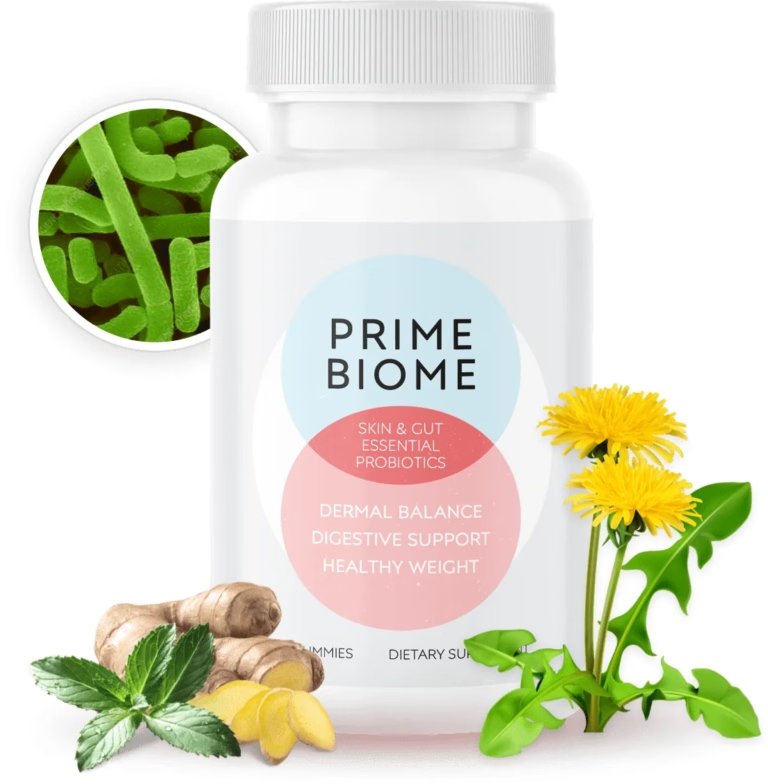
In PrimeBiome, lion’s mane powder is part of a 430 mg proprietary blend, so the dose is far smaller than the gram-level amounts used in human research.
If you are curious about lion’s mane, cooking the fresh mushroom or choosing a single-ingredient product made from the fruiting body, with the amount per serving clearly stated, is a more reliable way to get a meaningful dose than relying on a small slice of a multi-ingredient gummy.
Safety and cautions
Avoid if allergic to mushrooms. Evidence on long-term safety is limited. Check with a doctor if you take diabetes or blood-thinning medication, or if you are pregnant or breastfeeding.
Supplements we reviewed that contain it
★★★☆☆
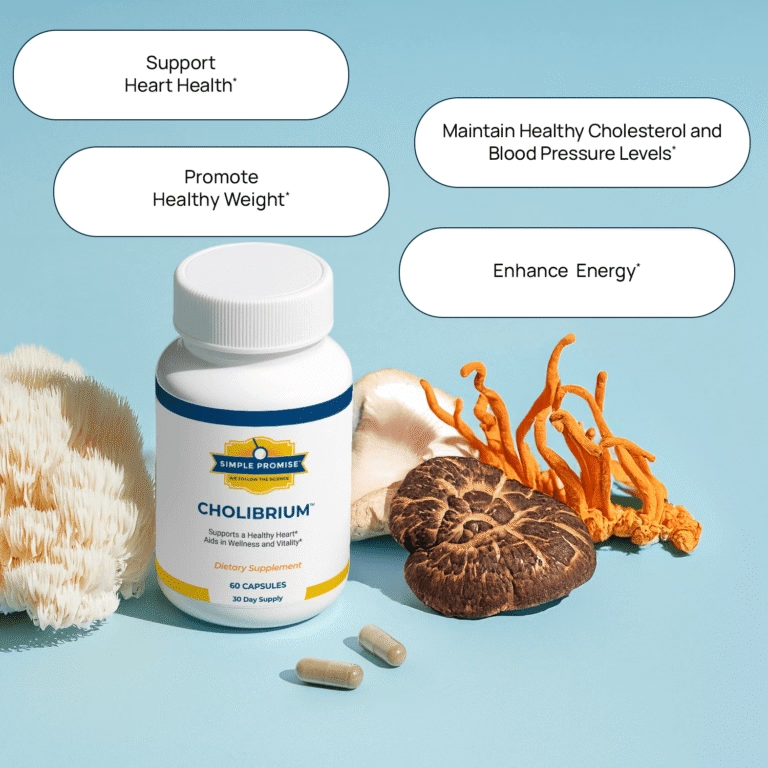
Cholibrium reviewCholibrium is a 10-mushroom capsule marketed for heart and cholesterol support. Its label is partly transparent, but human evidence that the...
★★★☆☆
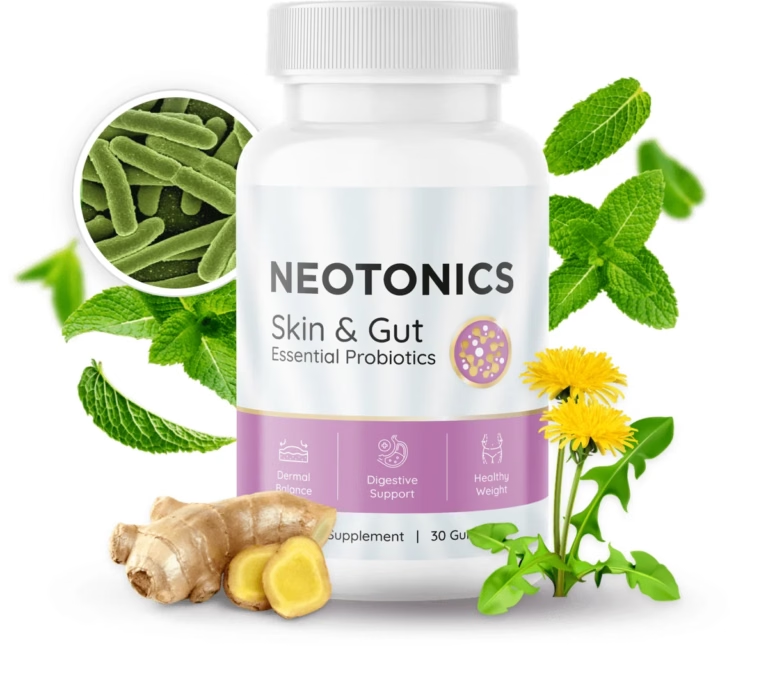
Neotonics reviewNeotonics is a probiotic gummy with 500 million CFU of Bacillus coagulans plus nine botanicals, marketed for skin and gut health. The probio...
★★☆☆☆
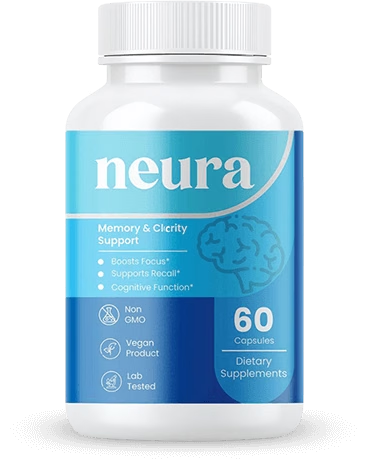
Neura reviewNeura is a 60-capsule memory supplement with lion's mane, goji, bacopa and shilajit. Bacopa has modest evidence, but no doses are disclosed.
★★☆☆☆
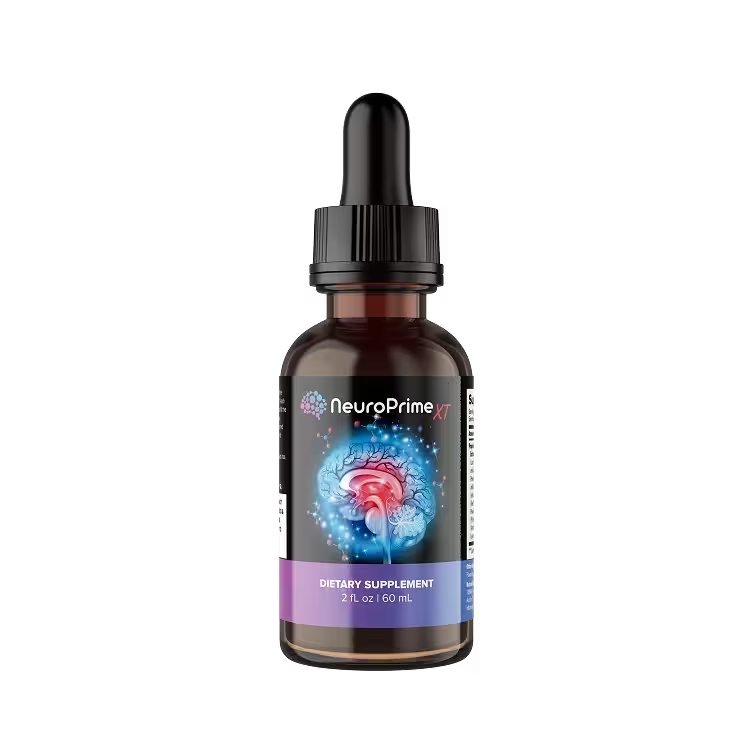
NeuroPrime reviewNeuroPrime is a liquid memory supplement listing nine botanicals, including bacopa, ginkgo and lion's mane, sold without any disclosed ingre...
★★★☆☆
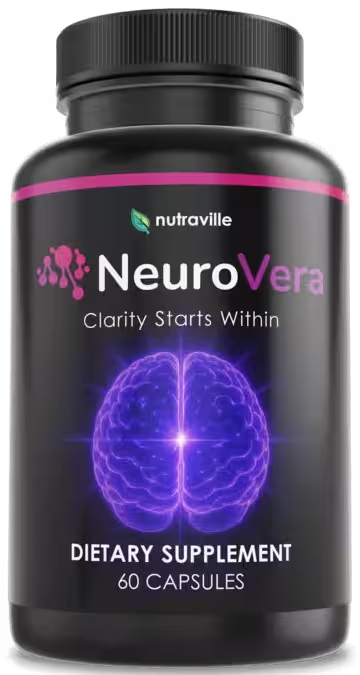
NeuroVera reviewNeuroVera is a 60-capsule memory supplement from Nutraville listing five ingredients, including bacopa, lion's mane and gotu kola, with no d...
★★☆☆☆
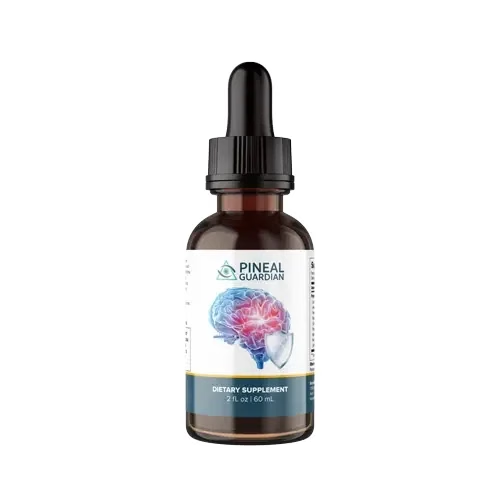
Pineal Guardian reviewPineal Guardian is a liquid supplement with pine bark, ginkgo, bacopa, lion's mane and green superfoods, marketed for memory and pineal heal...
★★★☆☆
PrimeBiome reviewPrimeBiome is a probiotic gummy with 500 million CFU of Bacillus coagulans and a 430 mg proprietary herbal blend, marketed for gut and skin ...
Reader reviews
No reader reviews yet. If you have tried Lion’s mane mushroom, you can be the first to share how it went.
Reader reviews are personal opinions from visitors. We do not verify purchases, and reviews are not medical advice. We publish positive and negative reviews alike; see our review guidelines.
Write a review
Sources
- Benefits, side effects, and uses of Hericium erinaceus as a supplement: a systematic review. Front Nutr, 2025
- The Acute and Chronic Effects of Lion's Mane Mushroom Supplementation on Cognitive Function, Stress and Mood in Young Adults: A Double-Blind, Parallel Groups, Pilot Study. Nutrients, 2023
- Improving effects of the mushroom Yamabushitake (Hericium erinaceus) on mild cognitive impairment: a double-blind placebo-controlled clinical trial. Phytother Res, 2009