What is shilajit?
Shilajit is a sticky, tar-like substance that seeps from rock layers in mountain ranges such as the Himalayas and Altai. It forms over centuries from decomposed plant matter and minerals. In Ayurvedic medicine it is considered a rasayana, or rejuvenating substance. Its main active compounds are thought to be fulvic acid and dibenzo-alpha-pyrones, along with dozens of minerals.
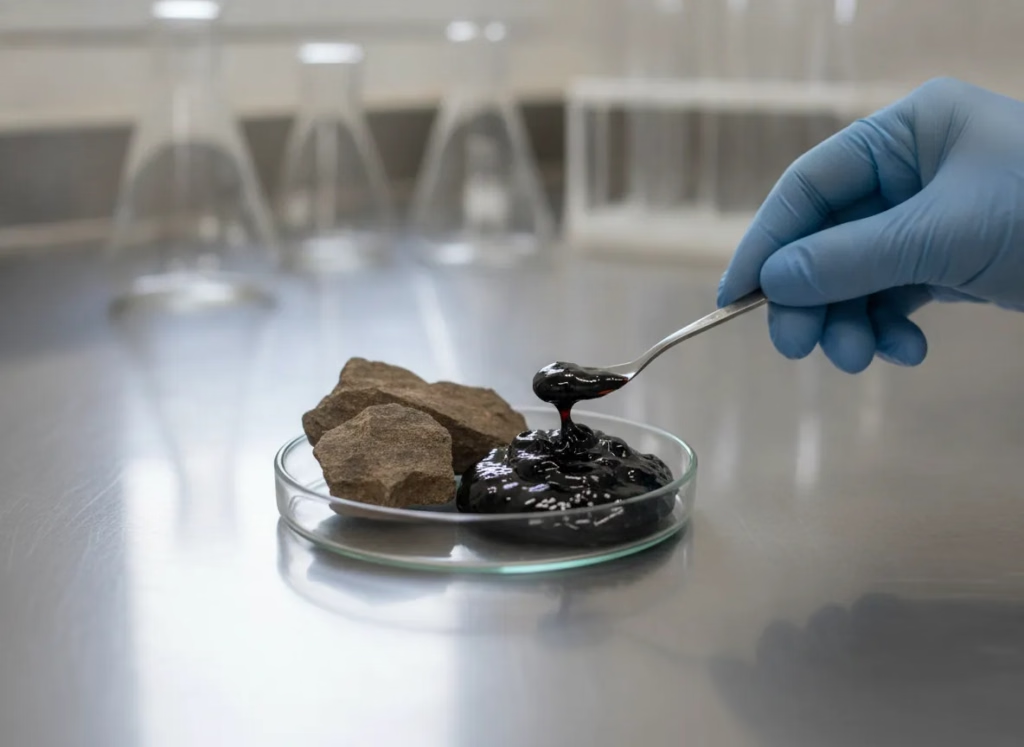
What the research says
A review of shilajit’s safety and efficacy noted that relatively few well-controlled human studies exist. Lab and animal studies suggest antioxidant, anti-inflammatory and immune-modulating effects, and the authors called for more rigorous research with standardized products.
A handful of human trials stand out. In a 48-week randomized, placebo-controlled trial of 60 postmenopausal women with low bone density, 250 mg or 500 mg per day of a standardized shilajit extract slowed bone loss in the spine and hip compared with placebo and lowered markers of inflammation and oxidative stress. In a 90-day trial in men aged 45 to 55, 250 mg of purified shilajit twice a day increased total and free testosterone compared with placebo. A small trial in tibia fracture patients also tested shilajit for bone healing.
None of these studies looked at teeth or gums. The bone density results are interesting, but they used a specific standardized extract at doses far higher than most combination products contain.
How it’s used in supplements
Shilajit is sold as a resin, powder or capsule, often standardized to a percentage of fulvic acid. Quality varies widely. A 2024 review of heavy metals in shilajit found that raw shilajit can contain many metals, including lead, arsenic, cadmium and mercury; most reported samples were within permitted limits, but some exceeded them, and the authors warned that consuming shilajit without knowing its metal content is not safe. Look for purified, third-party tested products.
Because of its possible hormonal effects, people with hormone-sensitive conditions should talk to a doctor before using it. Safety in pregnancy and breastfeeding has not been established. When shilajit is part of a small proprietary blend, the dose is likely well below the 250 to 500 mg used in trials, so trial results should not be assumed to apply. Anyone considering shilajit for bone health should discuss it with a doctor, since proven options such as adequate calcium, vitamin D, exercise and, when needed, prescription treatment have much stronger evidence. Shilajit should also be stored and dosed exactly as the label directs.
Safety and cautions
Raw or poorly purified shilajit may contain heavy metals; choose purified, tested products. May affect hormones such as testosterone. Not established as safe in pregnancy or breastfeeding. Talk to your doctor if you have a medical condition or take medication.
Supplements we reviewed that contain it
★★★☆☆
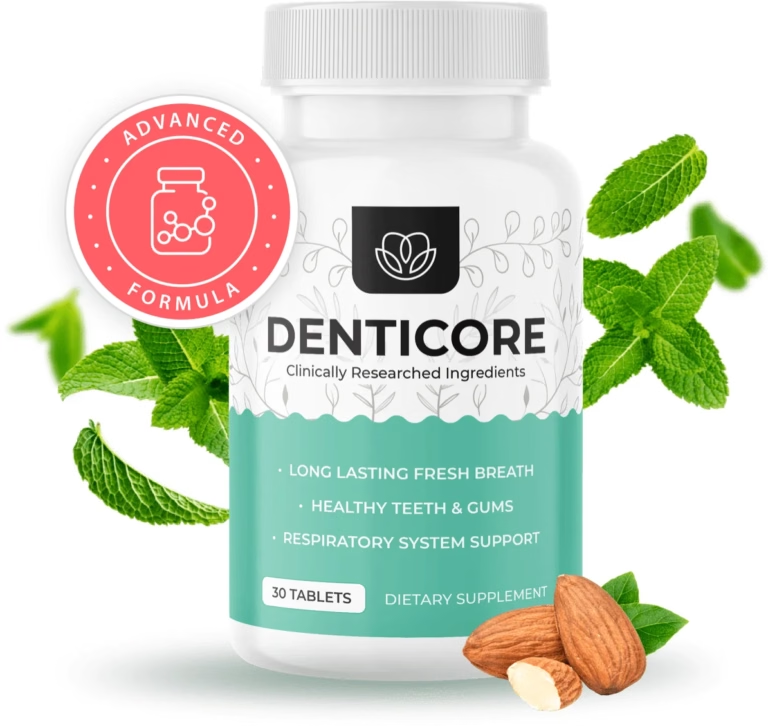
DentiCore reviewDentiCore is a daily chewable tablet with small doses of calcium, iodine, copper and chromium plus a 120 mg blend of chlorella, chlorophylli...
★★☆☆☆
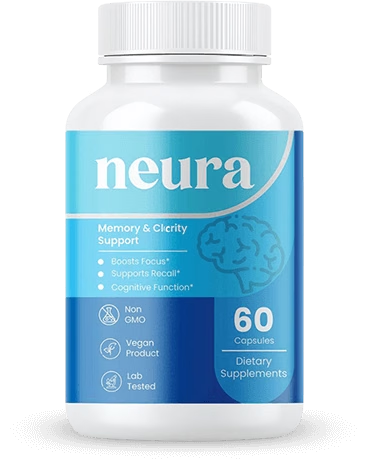
Neura reviewNeura is a 60-capsule memory supplement with lion's mane, goji, bacopa and shilajit. Bacopa has modest evidence, but no doses are disclosed.
★★★☆☆
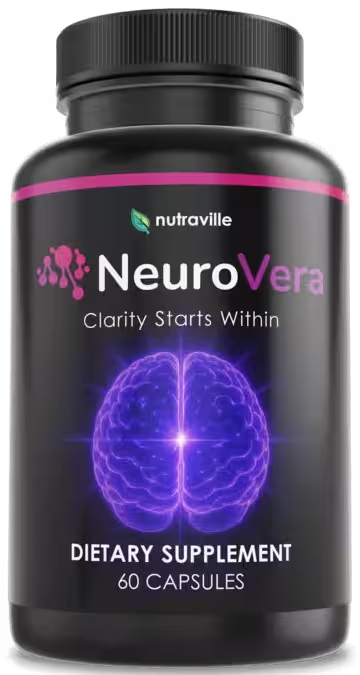
NeuroVera reviewNeuroVera is a 60-capsule memory supplement from Nutraville listing five ingredients, including bacopa, lion's mane and gotu kola, with no d...
★★★☆☆
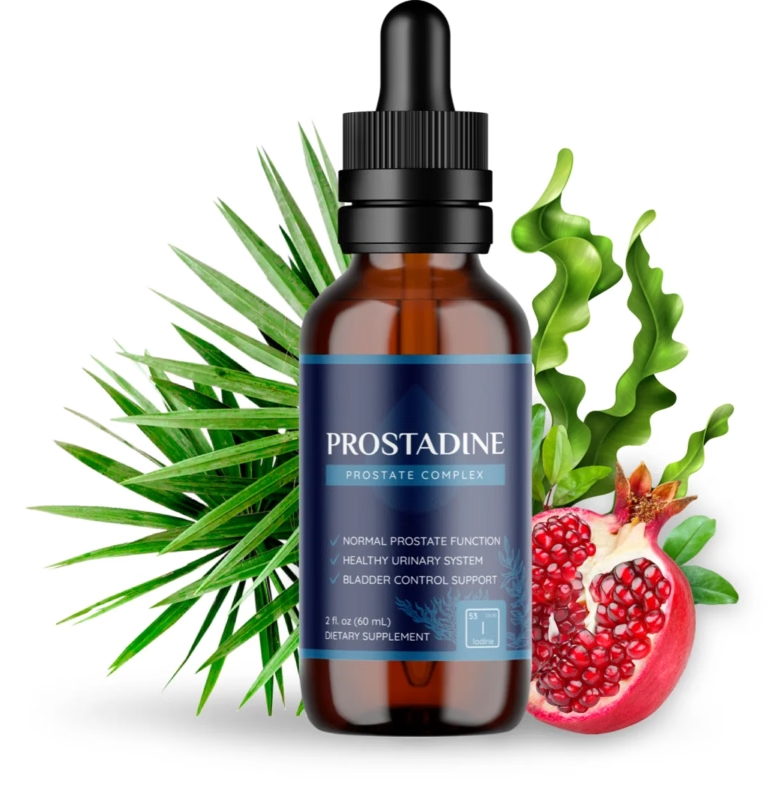
Prostadine reviewProstadine is a liquid prostate supplement built on seaweeds, iodine, saw palmetto, pomegranate, shilajit and neem. Doses are undisclosed an...
★★★☆☆
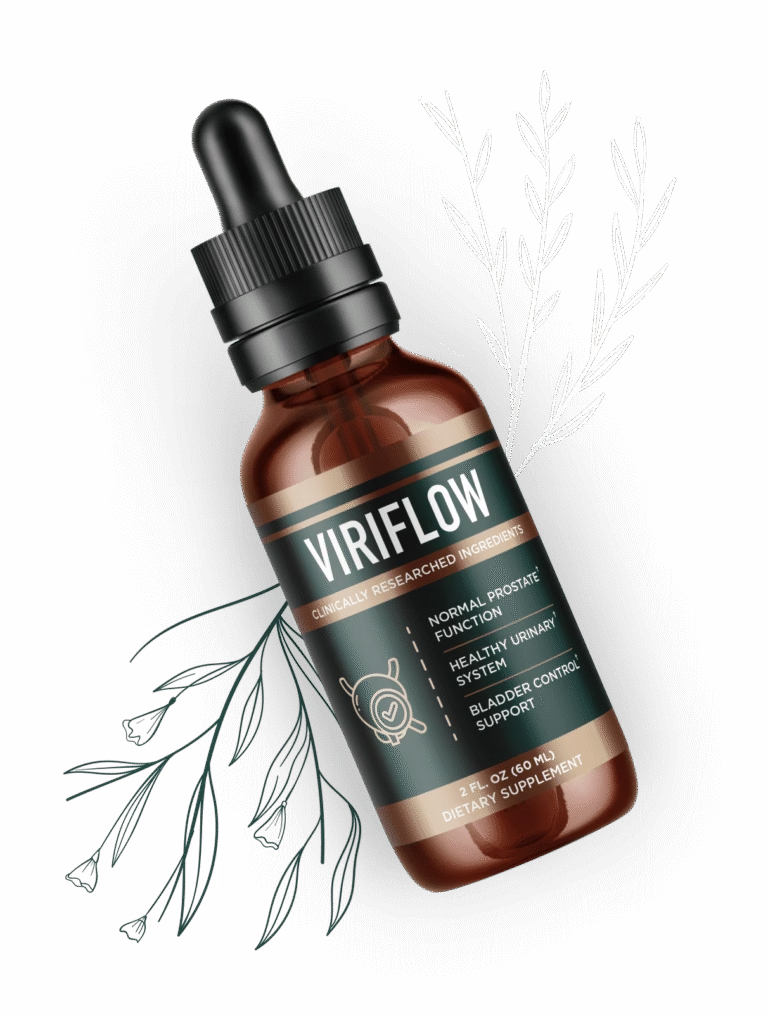
ViriFlow reviewViriFlow is a liquid prostate drop with iodine and a 700 mg blend of saw palmetto, pygeum, seaweeds and other botanicals. The label is shown...
Reader reviews
No reader reviews yet. If you have tried Shilajit, you can be the first to share how it went.
Reader reviews are personal opinions from visitors. We do not verify purchases, and reviews are not medical advice. We publish positive and negative reviews alike; see our review guidelines.
Write a review
Sources
- Safety and efficacy of shilajit (mumie, moomiyo). Phytother Res, 2014
- Shilajit extract reduces oxidative stress, inflammation, and bone loss to dose-dependently preserve bone mineral density in postmenopausal women with osteopenia: A randomized, double-blind, placebo-controlled trial. Phytomedicine, 2022
- Clinical evaluation of purified Shilajit on testosterone levels in healthy volunteers. Andrologia, 2016
- Efficacy of Momiai in Tibia Fracture Repair: A Randomized Double-Blinded Placebo-Controlled Clinical Trial. J Altern Complement Med, 2020
- Hazardous or Advantageous: Uncovering the Roles of Heavy Metals and Humic Substances in Shilajit (Phyto-mineral) with Emphasis on Heavy Metals Toxicity and Their Detoxification Mechanisms. Biol Trace Elem Res, 2024
- Clinical evaluation of spermatogenic activity of processed Shilajit in oligospermia. Andrologia, 2010
- Do "testosterone boosters" really increase serum total testosterone? A systematic review. Int J Impot Res, 2024
- Shilajit: a natural phytocomplex with potential procognitive activity. Int J Alzheimers Dis, 2012