What is neem?
Neem (Azadirachta indica) is a fast-growing evergreen tree native to the Indian subcontinent. It has been called the “village pharmacy” in India because almost every part of the tree, including the leaves, bark, twigs, seeds and oil, has been used in traditional medicine. Neem twigs are used as natural toothbrushes, the leaves are used for skin conditions, and neem seed oil is a widely used natural insecticide. Its compounds include azadirachtin, nimbin and a range of limonoids and flavonoids.

What the research says
Neem has been investigated in laboratory and animal studies for antibacterial, antifungal, antiviral, anti-inflammatory and anticancer activities. A 2021 review of neem’s in vivo toxicity in Molecules points out that despite this wide range of interest, the safety of neem compounds is not always considered and relatively few in vivo toxicity studies have been performed. The review covers both its use as a pesticide and as a potential therapeutic, noting effects in aquatic animals and in mammals.
Some small human studies have looked at neem in mouthwashes and gels for dental plaque and gum health, and in topical products for skin conditions. Evidence for oral neem supplements is very limited, and we found no human evidence that neem supports memory, brain health or pineal gland function. Its inclusion in a pineal product appears to reflect its traditional reputation as a “purifying” herb.

How it’s used in supplements
Neem leaf powder and extracts appear in skin, oral care, “blood purifying” and detox supplements. There is no established effective oral dose. Products rarely specify which part of the plant is used, which matters because the seeds and oil differ markedly from the leaves in composition and safety.
Safety deserves real attention. Neem oil should never be swallowed, and it is particularly dangerous for infants and young children. Oral neem leaf products taken short term appear to be tolerated by most adults, but long-term safety is not established. Neem has traditionally been used as a contraceptive, and animal studies suggest effects on fertility and pregnancy, so people who are pregnant, trying to conceive or breastfeeding should avoid it. Because neem may lower blood sugar and stimulate the immune system, people taking diabetes medication, those with autoimmune disease, and organ transplant recipients on immunosuppressants should avoid it unless their doctor approves.
Bottom line: neem has a rich traditional history and some topical uses, but oral neem has very little evidence of benefit and real safety questions.
Safety and cautions
Neem oil must not be swallowed and is especially dangerous for infants and children. Long-term safety of oral neem is unknown. Avoid if pregnant, trying to conceive or breastfeeding (traditional contraceptive use, animal fertility effects). May lower blood sugar and stimulate the immune system; avoid with diabetes medication, autoimmune disease or immunosuppressants unless your doctor approves.
Supplements we reviewed that contain it
★★☆☆☆
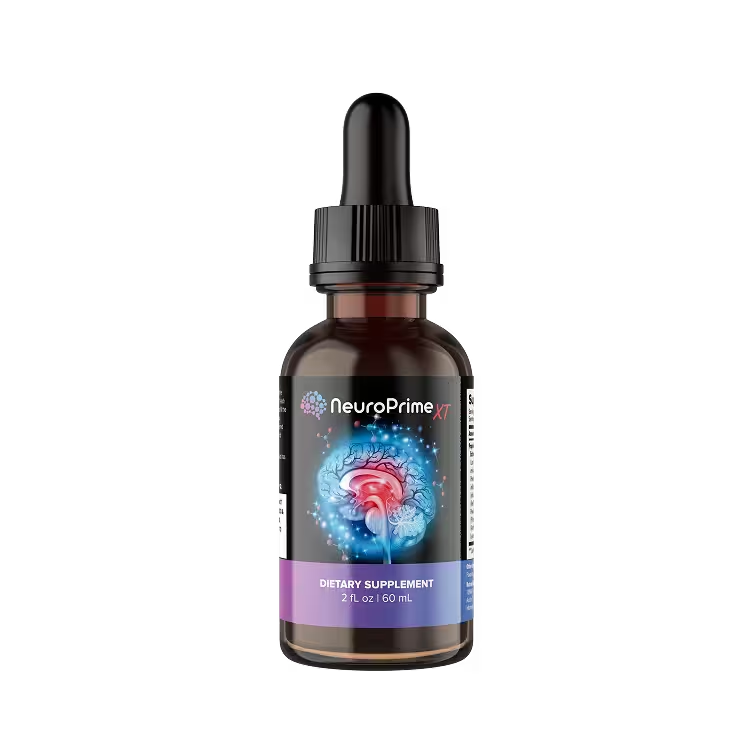
NeuroPrime reviewNeuroPrime is a liquid memory supplement listing nine botanicals, including bacopa, ginkgo and lion's mane, sold without any disclosed ingre...
★★☆☆☆
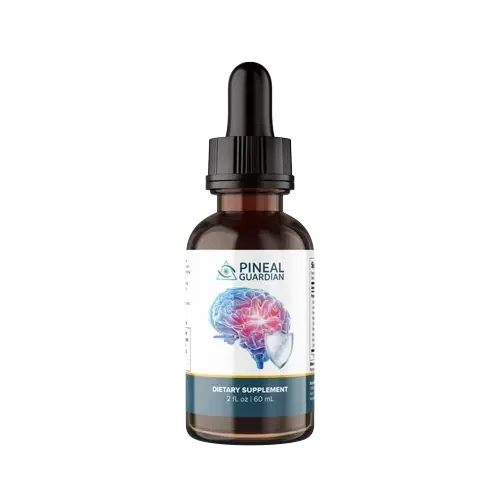
Pineal Guardian reviewPineal Guardian is a liquid supplement with pine bark, ginkgo, bacopa, lion's mane and green superfoods, marketed for memory and pineal heal...
★★★☆☆
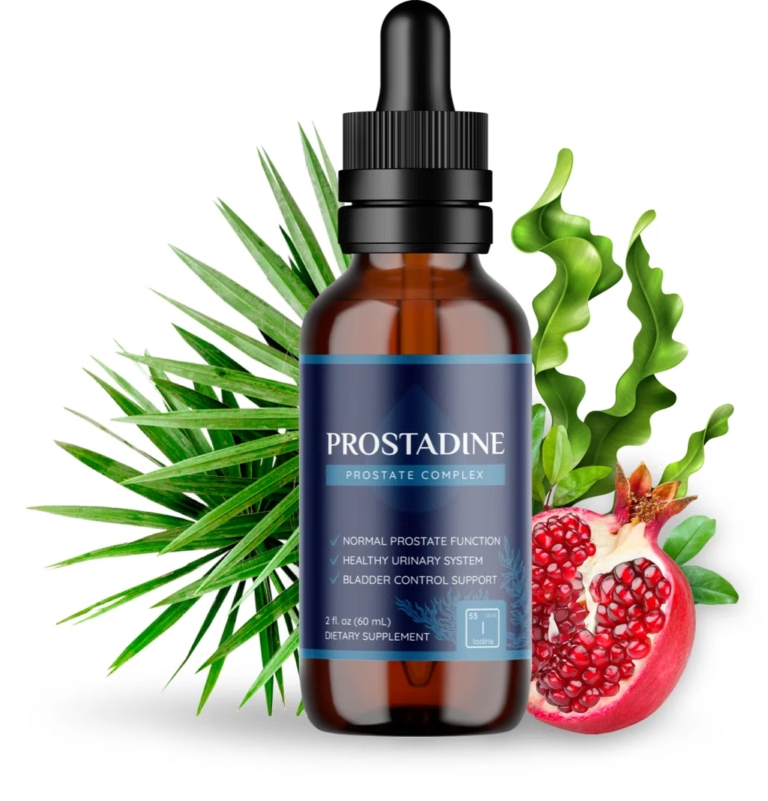
Prostadine reviewProstadine is a liquid prostate supplement built on seaweeds, iodine, saw palmetto, pomegranate, shilajit and neem. Doses are undisclosed an...
★★★☆☆
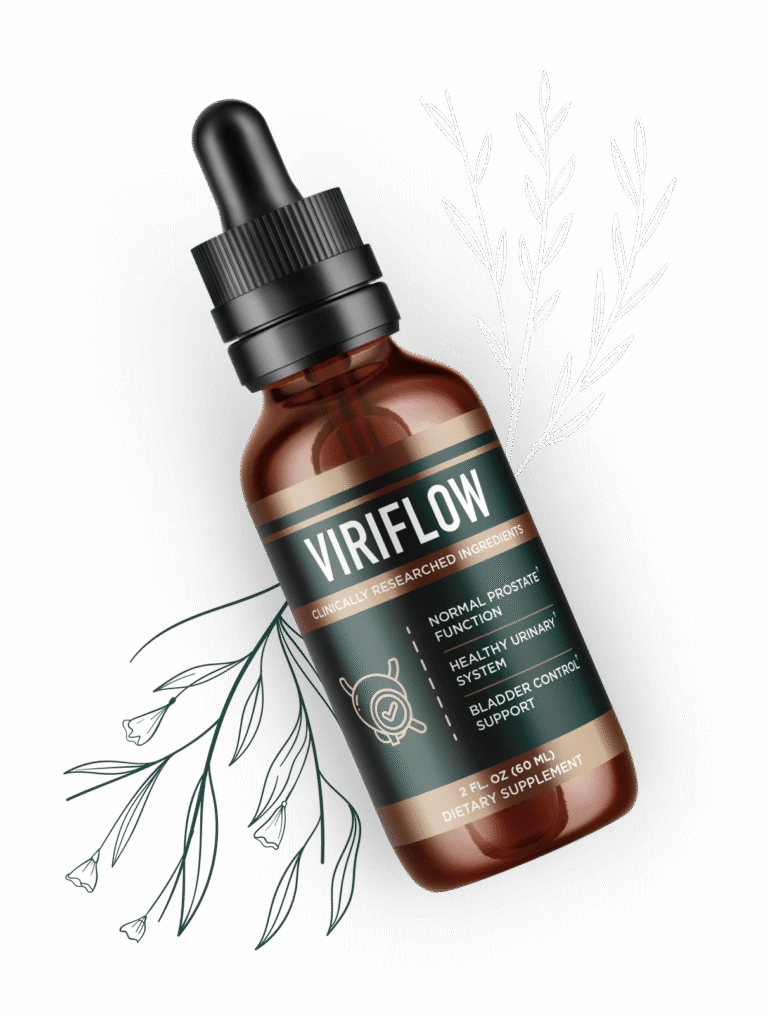
ViriFlow reviewViriFlow is a liquid prostate drop with iodine and a 700 mg blend of saw palmetto, pygeum, seaweeds and other botanicals. The label is shown...
Reader reviews
No reader reviews yet. If you have tried Neem, you can be the first to share how it went.
Reader reviews are personal opinions from visitors. We do not verify purchases, and reviews are not medical advice. We publish positive and negative reviews alike; see our review guidelines.
Write a review
Sources
- Azadirachta indica A. Juss. In Vivo Toxicity-An Updated Review. Molecules, 2021