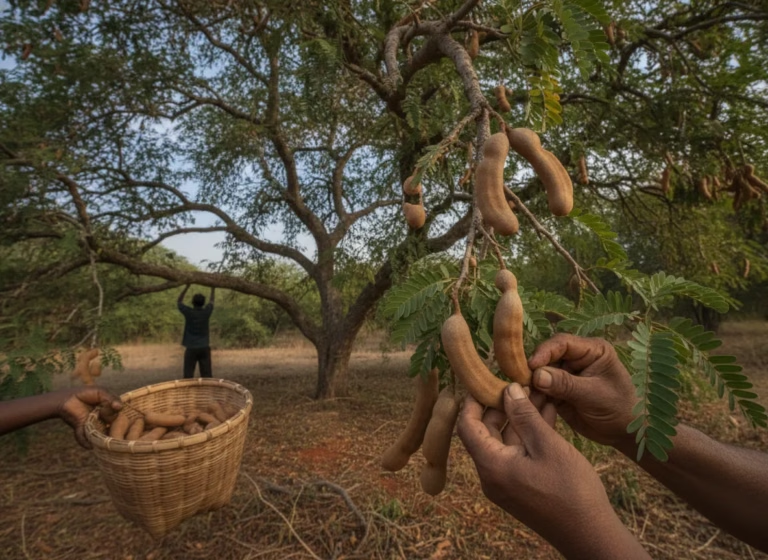
 Tamarind
 is a tropical fruit used widely in cooking and traditional medicine. Laboratory and animal studies report many activities, but there is no hu...
Read the ingredient guide
Ingredient type
Whole plants, leaves, roots and seeds used in traditional medicine and modern supplements. Quality, dose and standardization matter a lot for this group.
Tamarind
Tamarind is a tropical fruit used widely in cooking and traditional medicine. Laboratory and animal studies report many activities, but there is no hu...
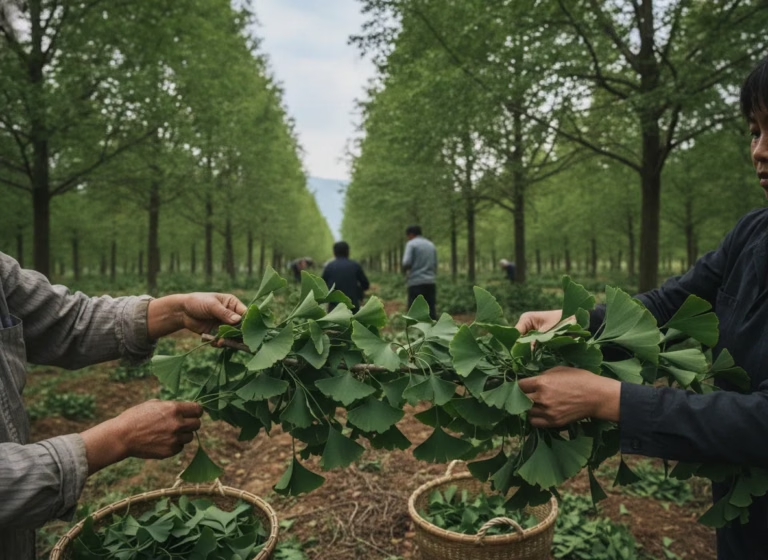 Ginkgo biloba
Ginkgo leaf extract is one of the most studied memory herbs, but large trials found it did not prevent dementia, and benefits for healthy people are u...
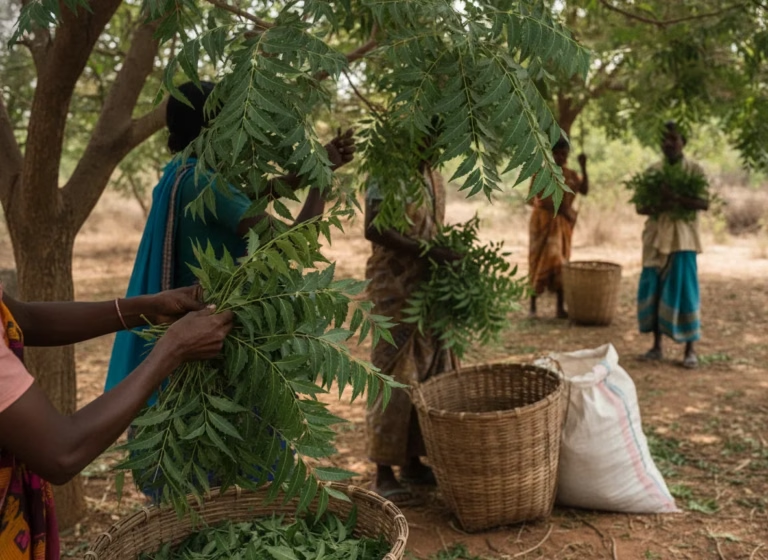 Neem
Neem is an Ayurvedic tree used for skin, oral and antimicrobial purposes. Human evidence for oral supplements is very limited, few in vivo safety stud...
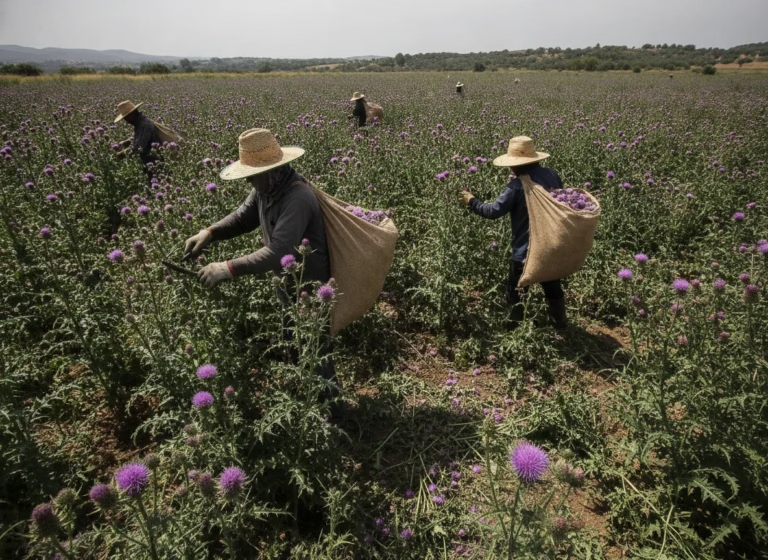 Milk thistle
 and its extract silymarin are promoted for the liver, but NCCIH says high-quality evidence is lacking for any health condition. It is gen...
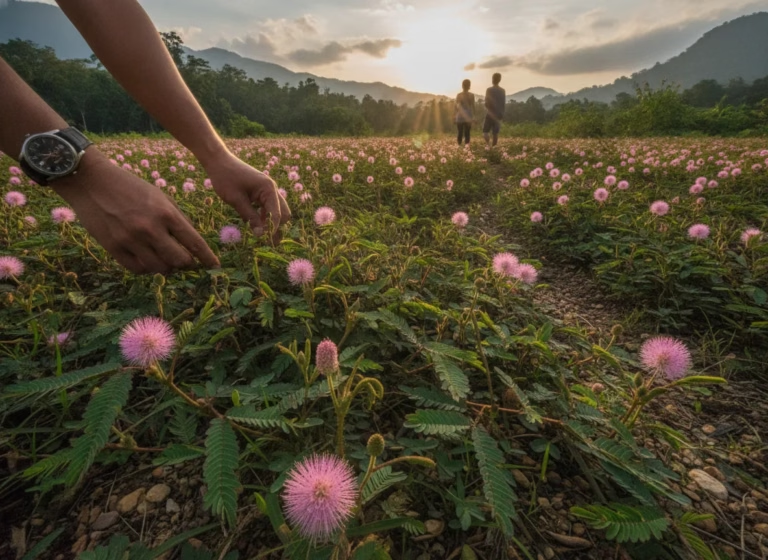 Mimosa pudica
 is a traditional medicinal plant with many lab and animal findings but almost no human clinical trials. Evidence for urinary or bladder ...
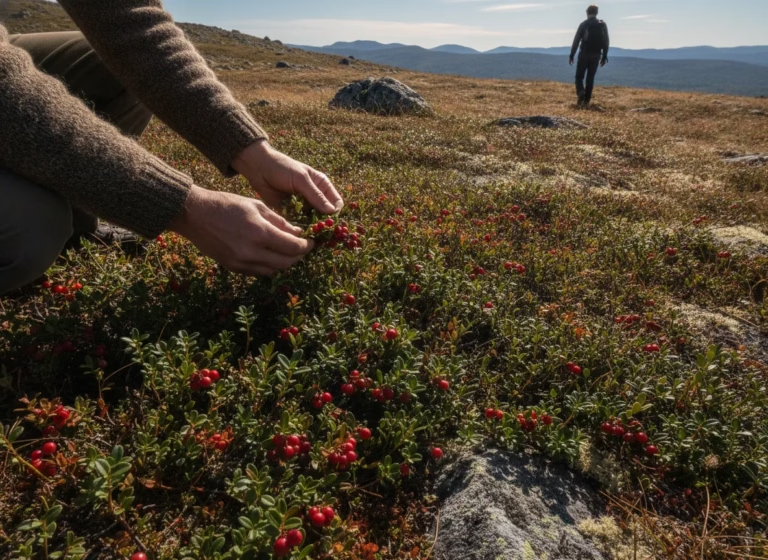 Bearberry (uva ursi)
Bearberry leaf is a traditional short-term urinary herb whose active compound converts to hydroquinone. Clinical evidence is limited, and it is genera...
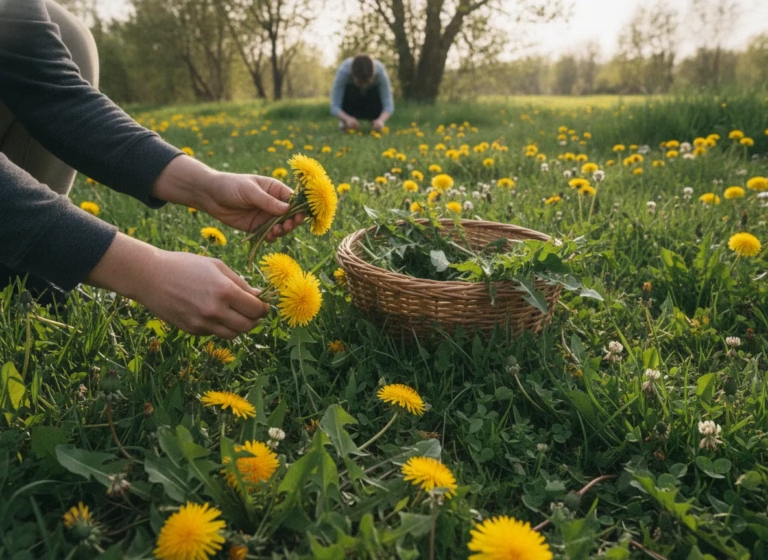 Dandelion leaf
Dandelion is promoted for indigestion, but NCCIH says there is no compelling scientific evidence for any health condition. It is likely safe in food a...
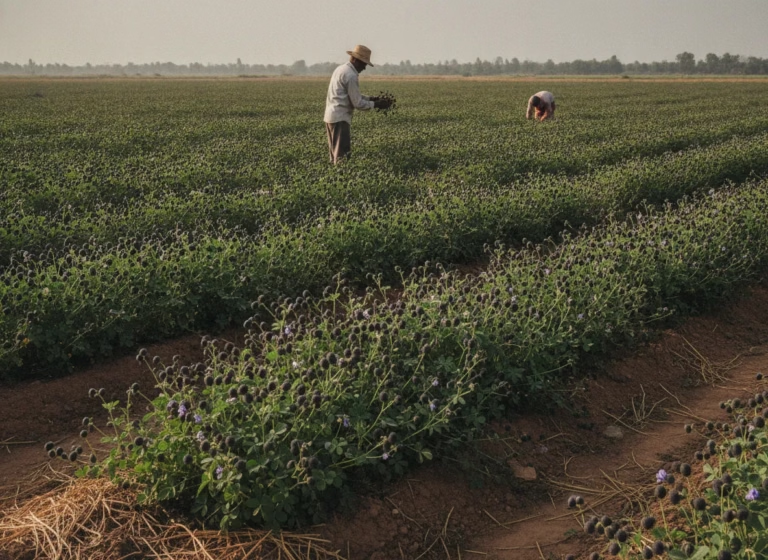 Babchi
 is the seed that supplies bakuchiol, a promising topical skincare ingredient. Taken by mouth, its benefits are unproven and it carries liver an...
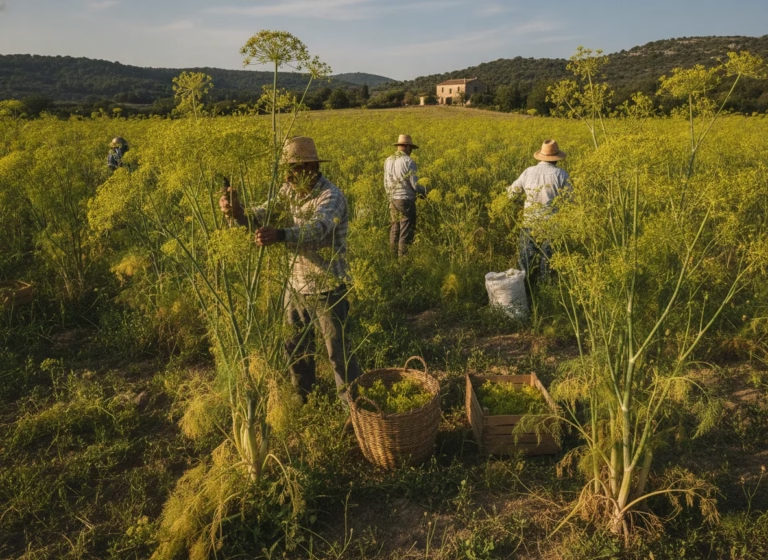 Fennel seed
 is a culinary spice with a long folk reputation for easing gas. Most of its research is lab, animal or small clinical work, so evidence fo...
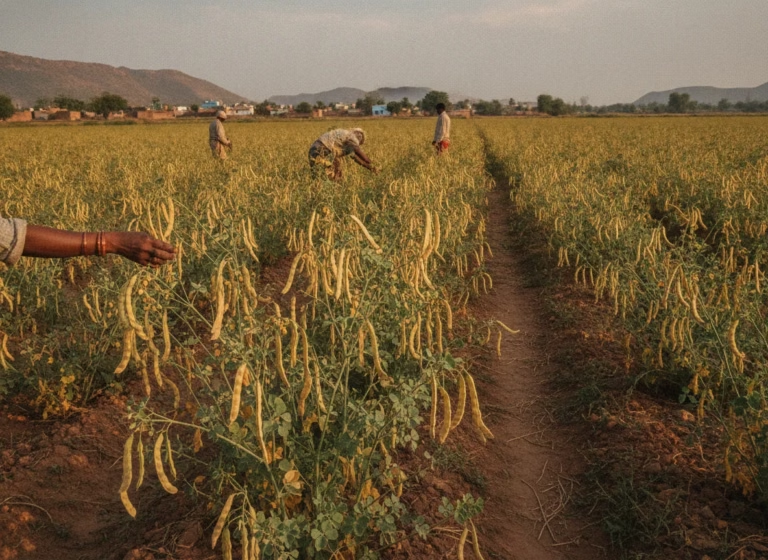 Fenugreek
 seed has been studied for blood sugar and breast milk supply, but NCCIH says high-quality evidence is lacking. It is not safe in pregnancy a...