What is licorice root?
Licorice is a perennial herb grown in Europe, Asia and the Middle East. Its root has been used for thousands of years in Assyrian, Egyptian, Greek, Chinese and Indian traditions, and today it is used as a flavoring in candy, foods and tobacco. According to NCCIH, licorice root is now promoted as a dietary supplement for digestive, respiratory and energy support. Many U.S. “licorice” candies contain anise oil rather than real licorice.
The root’s best-known compound is glycyrrhizin (glycyrrhizic acid), which is very sweet and is responsible for most of licorice’s safety concerns. Some products use deglycyrrhizinated licorice (DGL), which has most of the glycyrrhizin removed.

What the research says
NCCIH states that there is not enough high-quality evidence to clearly support licorice for any health condition. Small studies suggest a licorice mouth rinse may help canker sores and that licorice gargles may reduce sore throat after surgery, but these uses have nothing to do with blood sugar. There are no well-designed human trials showing that licorice supports healthy glucose levels, and sales page claims that it controls appetite or prevents weight gain are not backed by meaningful clinical evidence.
The stronger body of research is about harm. A 2017 systematic review and meta-analysis of 18 studies found that regularly consuming products providing at least 100 mg of glycyrrhizic acid per day raised systolic blood pressure by about 5 mm Hg and diastolic pressure by about 3 mm Hg, and lowered blood potassium. The rise in blood pressure tracked with the daily dose. The authors concluded that chronic licorice intake is associated with higher blood pressure and lower potassium even at modest doses, which is especially relevant for people with heart disease.

How it’s used in supplements
In multi-ingredient blood sugar and weight products, licorice usually appears in an undisclosed amount, sometimes as licorice root and sometimes as a glycyrrhizin derivative used partly as a sweetener (for example monoammonium glycyrrhizinate). Small amounts are unlikely to matter for most people, but because labels rarely state the glycyrrhizin content, you cannot judge the dose.
NCCIH warns that glycyrrhizin can cause serious adverse effects, including irregular heartbeat and cardiac arrest, particularly with large amounts or long-term use, and that even small amounts have been linked to severe effects in people who eat a lot of salt or have high blood pressure, heart disease or kidney disease. Interactions with corticosteroids have been reported, and large amounts during pregnancy are unsafe. People with any of these conditions, or who take blood pressure medicines, diuretics or heart medicines, should avoid licorice-containing supplements unless a doctor approves.
Safety and cautions
Glycyrrhizin can raise blood pressure, lower potassium and, in large or long-term use, cause irregular heartbeat. Avoid with high blood pressure, heart or kidney disease, a high-salt diet, or during pregnancy. May interact with corticosteroids, diuretics and blood pressure or heart medicines. Talk to your doctor before use.
Supplements we reviewed that contain it
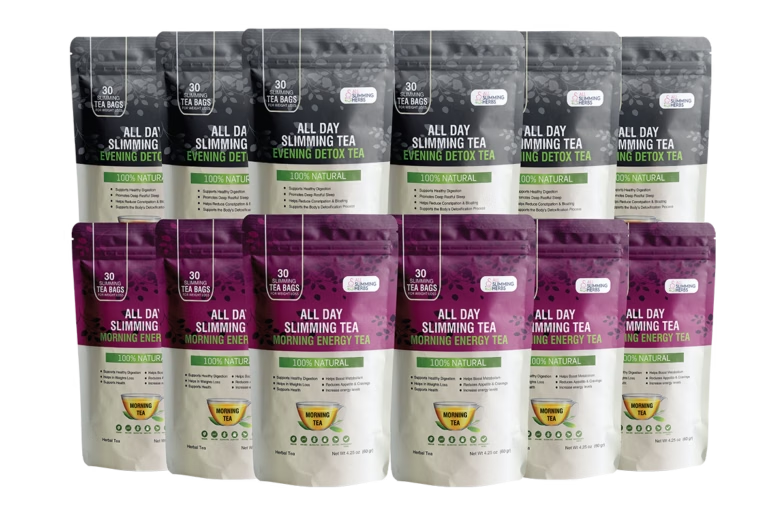
★★☆☆☆
All Day Slimming Tea reviewAll Day Slimming Tea is a two-part herbal tea with a caffeinated green and oolong morning blend and a senna-based evening blend. No amounts ...
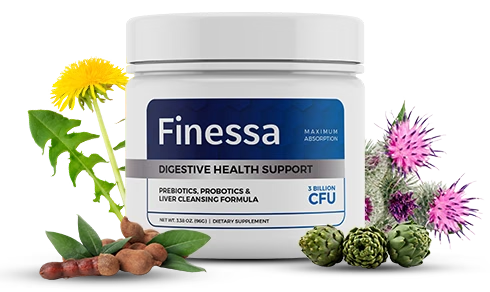
★★★☆☆
Finessa reviewFinessa is a daily digestive drink powder with fruit polyphenols, a liver herb blend, cascara sagrada and probiotics. Doses are partially di...

★★★☆☆
GlucoTrust reviewGlucoTrust is a bedtime capsule naming gymnema, biotin, chromium, manganese, licorice, cinnamon, zinc and juniper. No supplement facts label...
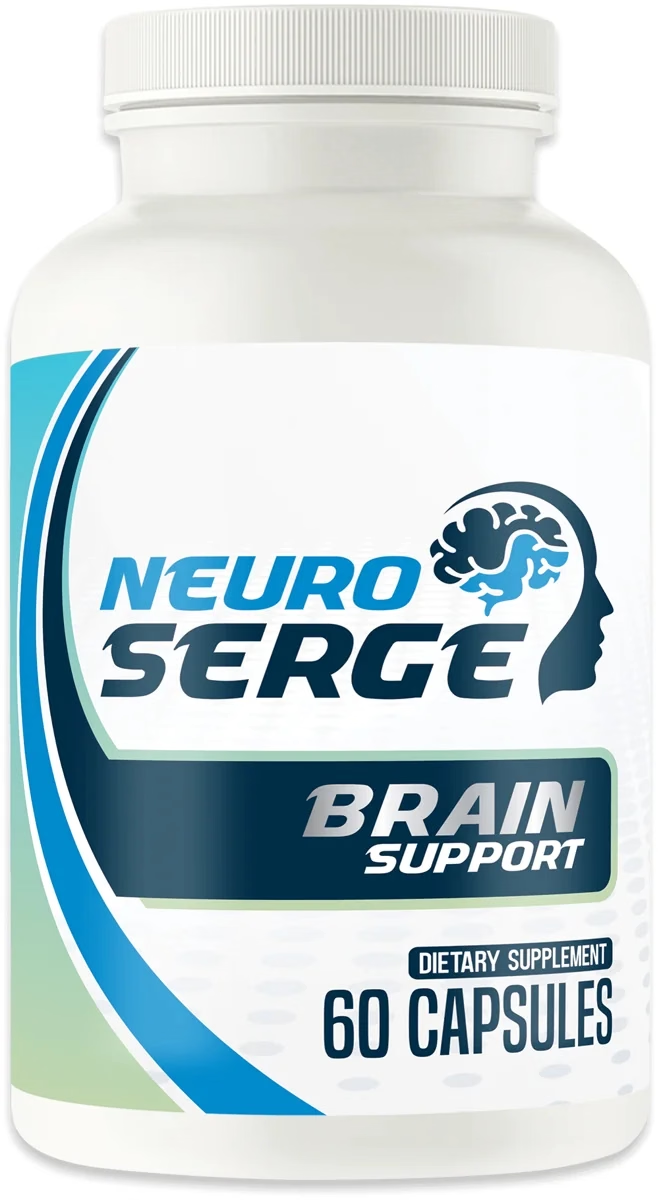
★★☆☆☆
Neuro Serge reviewNeuro Serge is a capsule marketed for brain health that names six botanicals, mostly studied for cardiometabolic health, with no doses discl...
Reader reviews
No reader reviews yet. If you have tried Licorice root, you can be the first to share how it went.
Reader reviews are personal opinions from visitors. We do not verify purchases, and reviews are not medical advice. We publish positive and negative reviews alike; see our review guidelines.