What is hawthorn?
Hawthorn is a flowering shrub or small tree in the rose family that grows in temperate regions worldwide. Its berries, leaves and flowers were traditionally used for heart disease, digestion, circulation and kidney and bladder problems. Today hawthorn is promoted mostly for the heart and blood vessels and sometimes for anxiety or weight loss (NCCIH).

What the research says
Most clinical research has focused on chronic heart failure. A 2008 Cochrane review of 14 double-blind trials, in which hawthorn leaf-and-flower extract was mostly used alongside standard treatment, found improvements in maximal workload, exercise tolerance and symptoms such as shortness of breath and fatigue compared with placebo (Pittler et al., 2008). However, NCCIH describes the evidence on hawthorn in heart failure as conflicting and notes that one study suggested a specific hawthorn preparation may have been linked to early worsening of heart failure, possibly through interactions with patients’ medications. NCCIH says there is little or no quality evidence on hawthorn for most other conditions (NCCIH).
We found no research on hawthorn for prostate or urinary health. In prostate formulas it is usually justified by general antioxidant or circulation claims.

How it’s used in supplements
Hawthorn is sold as capsules, tinctures and teas made from berries or from leaves and flowers. The leaf-and-flower extracts are the ones studied for heart failure. A 250 mg amount of “hawthorn (fruit)” is a different preparation from the standardized extracts used in most trials.
NCCIH lists dizziness, nausea, vomiting, diarrhea and muscle pain as possible side effects, notes that safety beyond 16 weeks has not been tested, and warns that some products labeled “tejocote root” (Mexican hawthorn) were found to contain toxic yellow oleander (NCCIH). Because hawthorn can affect heart rate and blood pressure, anyone taking heart medications such as digoxin, beta-blockers, calcium channel blockers, nitrates or erectile dysfunction drugs should not use it without a doctor’s approval. People with heart failure should never use hawthorn in place of prescribed treatment.
The bottom line: hawthorn is a serious herb in the sense that it can affect the heart, which is exactly why it should not be taken casually alongside heart medications. Its evidence base centers on heart failure, with mixed results, and it has no research for prostate or urinary health. In a men’s or prostate supplement, it adds interaction risk without a clear prostate benefit, so men with any heart condition should discuss it with their cardiologist first.
Safety and cautions
May cause dizziness, nausea or digestive upset. Can interact with heart and blood pressure medicines (including digoxin, beta-blockers, nitrates and PDE5 inhibitors). People with heart disease should use it only under medical supervision. Avoid products labeled tejocote root. Safety in pregnancy is unknown.
Supplements we reviewed that contain it
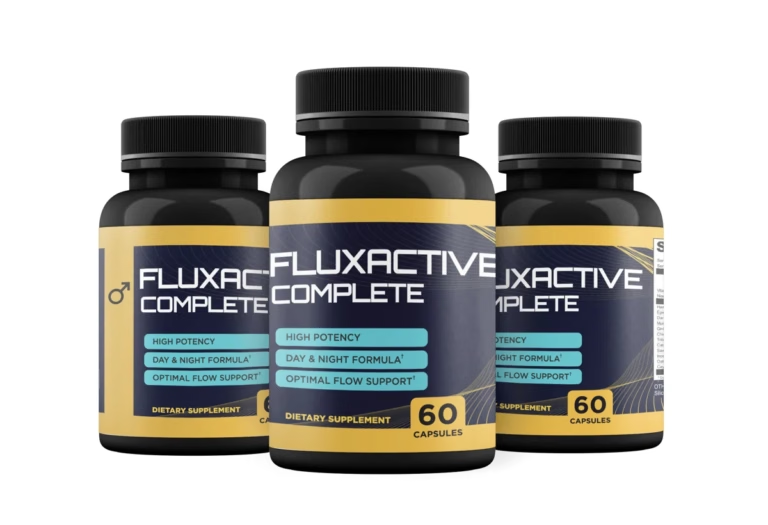
★★★☆☆
Fluxactive Complete reviewFluxactive Complete is a 14-ingredient capsule with saw palmetto, ginseng, tribulus, epimedium, damiana, ginkgo, hawthorn and B3. All doses ...
Reader reviews
No reader reviews yet. If you have tried Hawthorn, you can be the first to share how it went.
Reader reviews are personal opinions from visitors. We do not verify purchases, and reviews are not medical advice. We publish positive and negative reviews alike; see our review guidelines.
Write a review
Sources
- Hawthorn: Usefulness and Safety. NCCIH
- Hawthorn extract for treating chronic heart failure. Cochrane Database Syst Rev, 2008