What is saw palmetto?
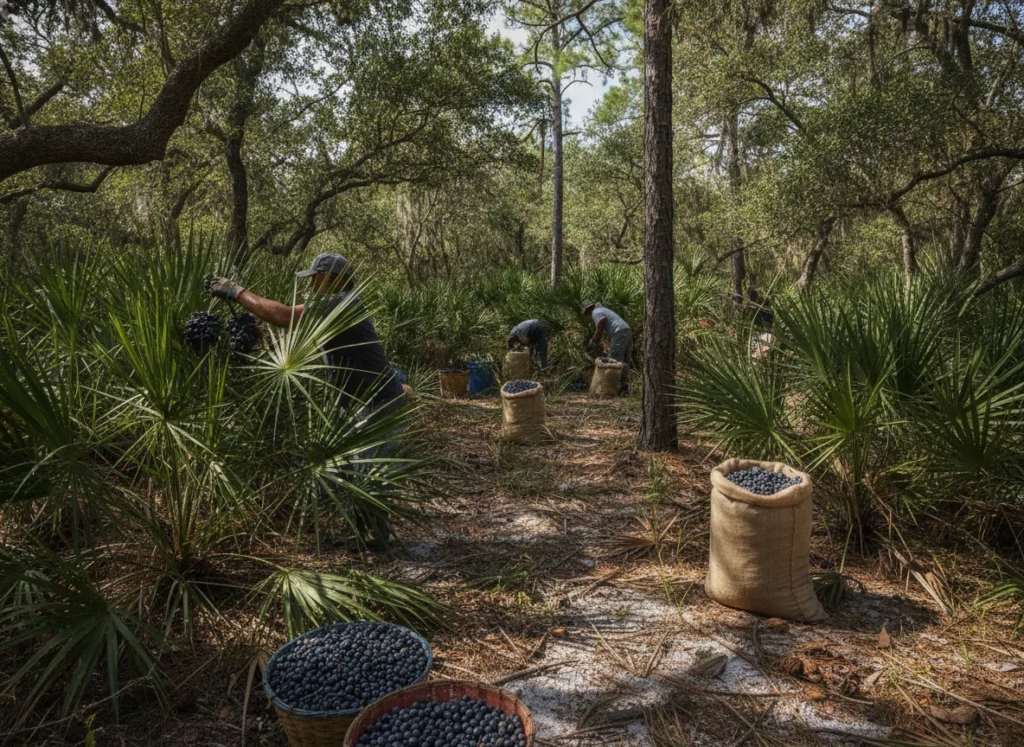
Saw palmetto (Serenoa repens) is a small palm native to the southeastern United States and the West Indies. Extracts of its berries are among the best-selling herbal supplements for men, promoted for urinary symptoms associated with an enlarged prostate (benign prostatic hyperplasia, or BPH), as well as for hair loss and chronic pelvic pain (NCCIH).
Laboratory studies suggested that saw palmetto might weakly inhibit 5-alpha-reductase, the enzyme that converts testosterone to dihydrotestosterone (DHT), which is the same target as some prescription BPH drugs. That theory drove decades of clinical research.
What the research says
Saw palmetto has been tested in many randomized trials, and the best of them are disappointing. The STEP trial, published in the New England Journal of Medicine, gave 225 men with moderate to severe BPH symptoms 160 mg twice daily or placebo for one year. There was no meaningful difference in symptom scores, urine flow, prostate size, residual urine or PSA (Bent et al., 2006).
The NIH-funded CAMUS trial then tested whether higher doses help, escalating from 320 mg to 640 mg and finally 960 mg per day over 72 weeks in 369 men. Higher doses did not outperform placebo, and saw palmetto did not change PSA levels more than placebo (Andriole et al., 2013).
A 2023 Cochrane review of 27 studies with 4,656 men concluded that saw palmetto alone provides little to no benefit for urinary symptoms due to prostate enlargement, at both short- and long-term follow-up, based on high-certainty evidence. Results for combinations of saw palmetto with other herbs were more uncertain (Franco et al., 2023). NCCIH summarizes the evidence by saying saw palmetto is probably not helpful for BPH symptoms (NCCIH).
On the positive side, saw palmetto appears to be well tolerated. Side effects in trials were mild and uncommon, such as digestive upset, dizziness and headache, and it has been used safely in studies for up to three years (NCCIH). Importantly, it does not appear to distort PSA readings, so it should not interfere with prostate cancer screening (CAMUS).

How it’s used in supplements
Most studies used about 320 mg per day of a lipid-sterolic berry extract. Many multi-ingredient prostate formulas contain far less than that, sometimes under 100 mg, which falls below even the doses that failed to beat placebo.
If you have urinary symptoms such as weak flow, urgency or waking at night to urinate, see a doctor before trying any supplement. These symptoms can come from BPH, infection, bladder problems, diabetes, medications or, less often, prostate cancer, and there are effective medical treatments. Saw palmetto may be unsafe in pregnancy and breastfeeding, and anyone on medication should check for interactions first.
Safety and cautions
Generally well tolerated; possible mild stomach upset, dizziness or headache. Not for use during pregnancy or breastfeeding. Because it may have mild hormonal activity, talk to a doctor before combining it with hormone therapies, finasteride or dutasteride, or blood thinners. It should never delay medical evaluation of urinary symptoms.
Supplements we reviewed that contain it

★★★☆☆
Fluxactive Complete reviewFluxactive Complete is a 14-ingredient capsule with saw palmetto, ginseng, tribulus, epimedium, damiana, ginkgo, hawthorn and B3. All doses ...
★★☆☆☆
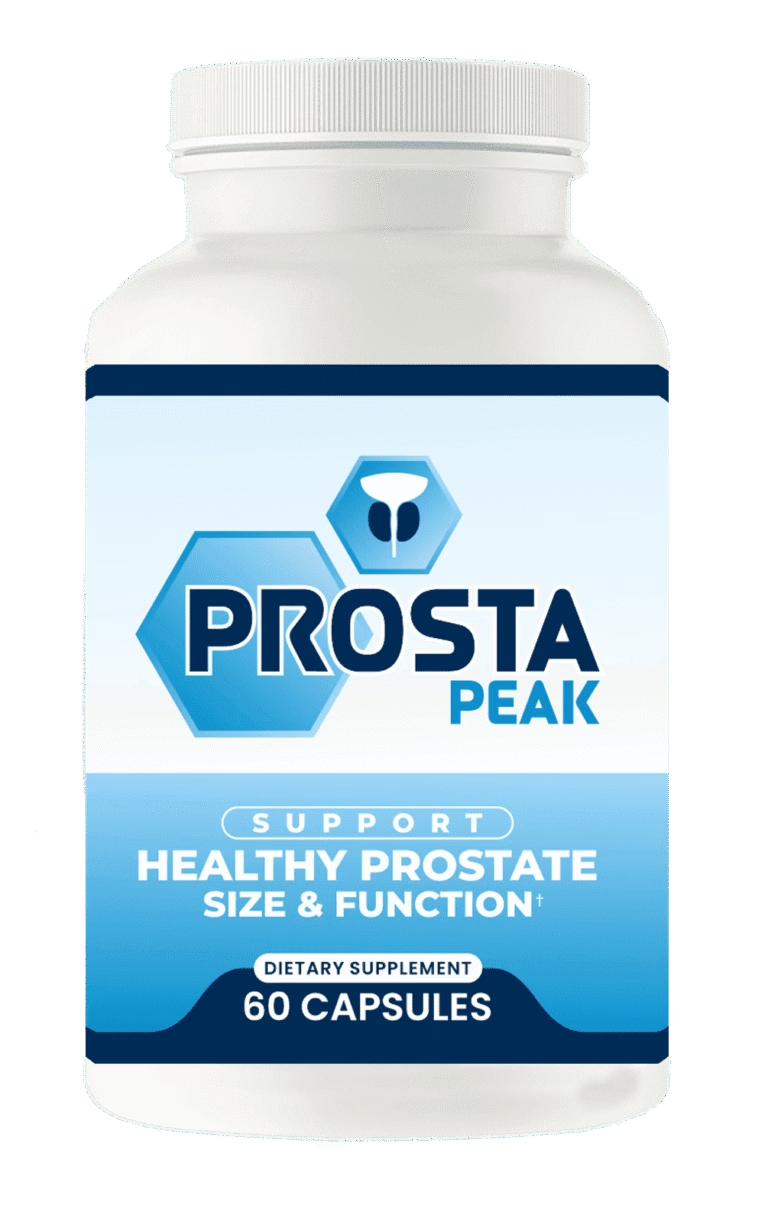
Prosta Peak reviewProsta Peak is a capsule prostate formula that names cat's claw, green tea, pygeum, raspberry, soursop and saw palmetto. No doses or full in...
★★★☆☆
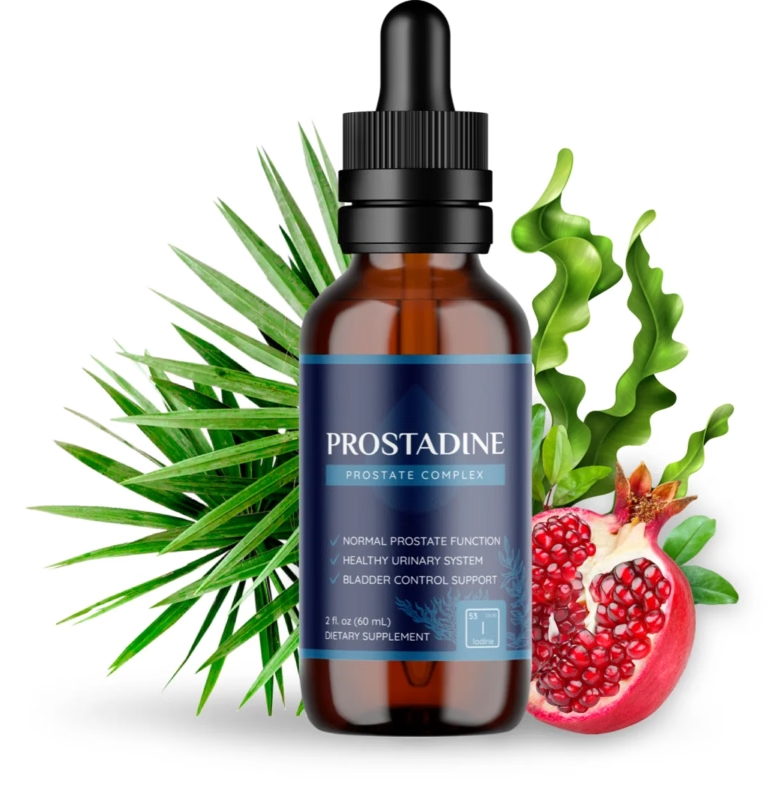
Prostadine reviewProstadine is a liquid prostate supplement built on seaweeds, iodine, saw palmetto, pomegranate, shilajit and neem. Doses are undisclosed an...

★★★☆☆
ViriFlow reviewViriFlow is a liquid prostate drop with iodine and a 700 mg blend of saw palmetto, pygeum, seaweeds and other botanicals. The label is shown...
Reader reviews
No reader reviews yet. If you have tried Saw palmetto, you can be the first to share how it went.
Reader reviews are personal opinions from visitors. We do not verify purchases, and reviews are not medical advice. We publish positive and negative reviews alike; see our review guidelines.
Write a review
Sources
- Saw Palmetto: Usefulness and Safety. NCCIH
- Serenoa repens for the treatment of lower urinary tract symptoms due to benign prostatic enlargement. Cochrane Database Syst Rev, 2023
- Saw palmetto for benign prostatic hyperplasia. N Engl J Med, 2006
- The effect of increasing doses of saw palmetto fruit extract on serum prostate specific antigen: analysis of the CAMUS randomized trial. J Urol, 2013