What is soursop?
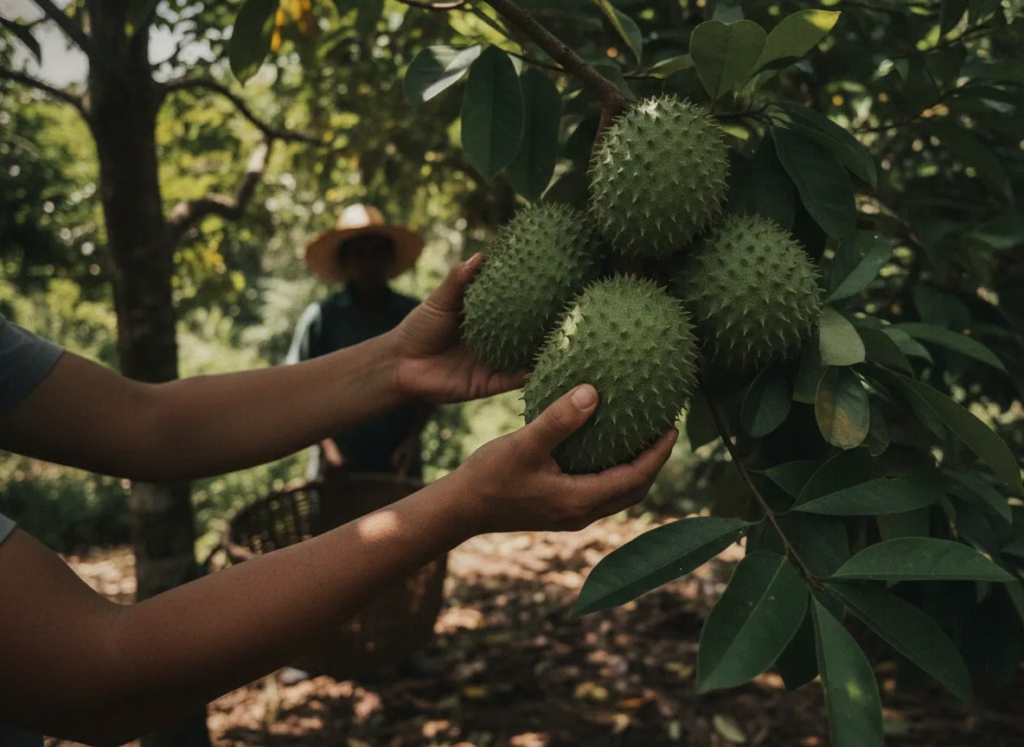
Soursop, Annona muricata, is an evergreen tree native to the tropical Americas and the Caribbean. It produces a large, spiny green fruit with soft white flesh that tastes like a mix of pineapple and strawberry. The fruit is eaten fresh and used in juices and desserts, while the leaves have been used in traditional remedies in several countries. Soursop is also called graviola and guanabana.
Supplements typically use the leaves, sometimes the fruit, in capsules, teas or extracts. Interest in soursop grew largely because of lab studies on compounds called annonaceous acetogenins.
What the research says
Most soursop research is in cells and animals. A 2015 review in the International Journal of Molecular Sciences described dozens of acetogenins isolated from the plant and many biological activities in lab studies. Lab activity is not the same as a health benefit in people, and high quality human trials are lacking for soursop’s popular uses.
Safety is the more important part of the soursop story. The main acetogenin, annonacin, blocks part of the energy producing machinery inside cells. In a 2004 study, rats given purified annonacin by continuous infusion developed damage in brain regions involved in movement. In Guadeloupe, doctors noticed an unusually high rate of atypical parkinsonism, a group of movement and thinking disorders that differ from classic Parkinson’s disease. A 2007 study of 160 patients found that soursop consumption was significantly higher in people with these atypical forms than in controls. A 2005 analysis estimated that one fruit contained about 15 mg of annonacin and a can of commercial nectar about 36 mg, and that daily consumption over a year could deliver an amount similar to what caused brain lesions in rats.
A 2020 systematic review of soursop leaf extract concluded that it appeared to have a favorable safety and tolerability profile in the studies available, while also noting neurotoxic effects in preclinical work and cautioning that animal doses may not translate directly to humans. Taken together, the evidence does not prove that soursop supplements cause harm, but it is enough for caution, particularly with long term or heavy use.
We found no human studies showing that soursop supports prostate health, urinary function or any other specific outcome.
How it’s used in supplements
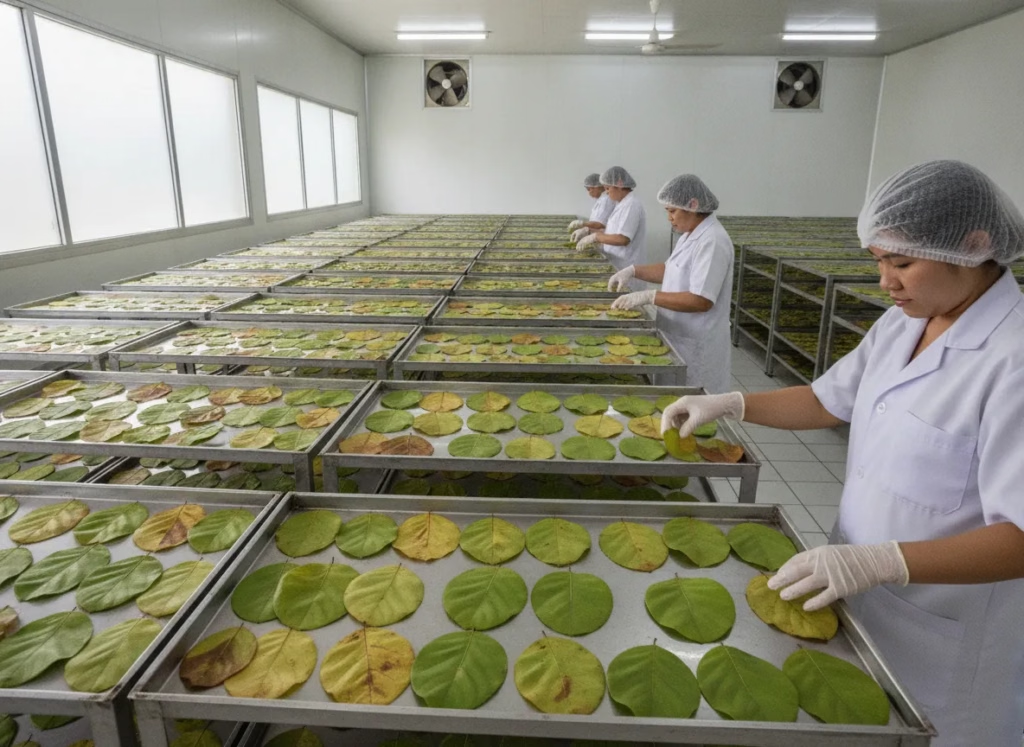
Soursop leaf appears in some immune, prostate and general wellness blends, often inside a proprietary blend without a stated amount. There is no established safe or effective supplement dose.
People with Parkinson’s disease, other movement disorders or neurological conditions should avoid soursop supplements. People who are pregnant or breastfeeding should avoid them as well, since safety has not been established. Anyone taking prescription medicines should talk to their doctor first, because interactions have not been well studied. Soursop is not a treatment for cancer, and no one should delay or replace medical care because of it. Eating the fruit occasionally as a food is a different situation from taking concentrated leaf extracts every day.
Safety and cautions
Contains annonacin, linked to neurotoxicity in lab studies and to atypical parkinsonism in Guadeloupe. Avoid with Parkinson's disease or other neurological conditions, and in pregnancy or breastfeeding. Talk to a doctor if you take any prescription medicines.
Supplements we reviewed that contain it
★★☆☆☆
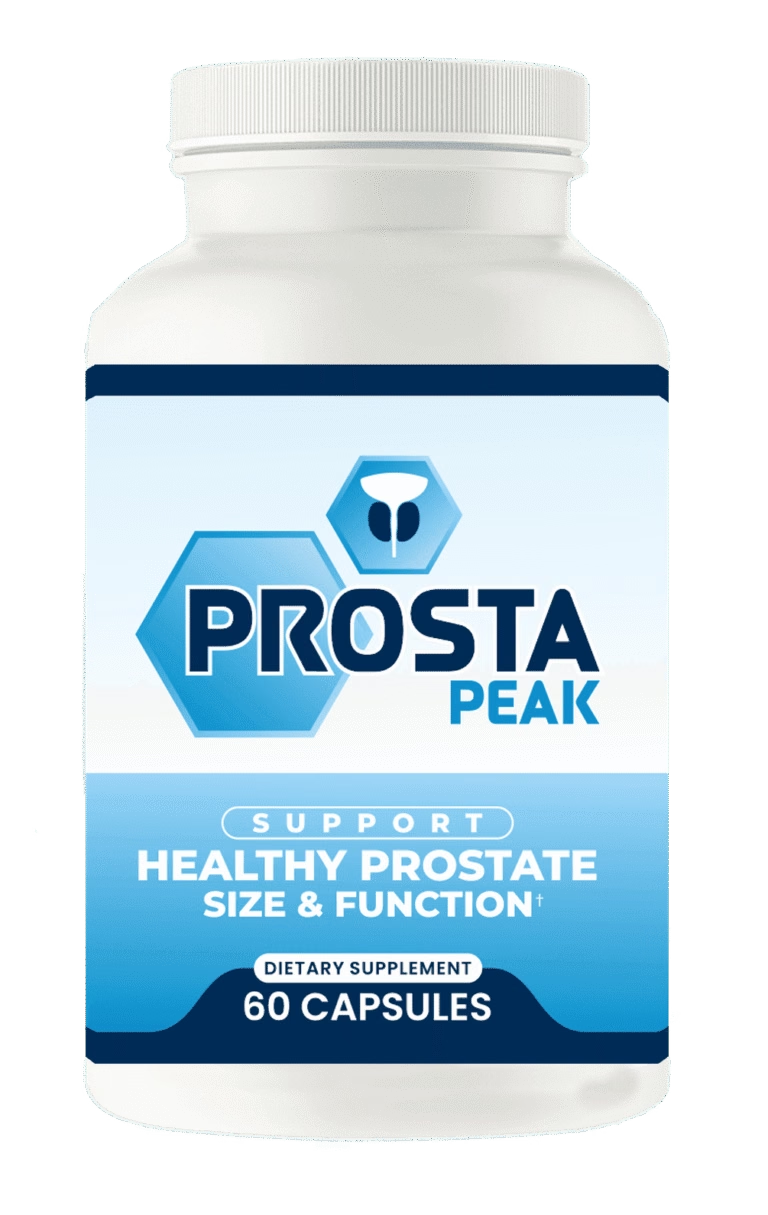
Prosta Peak reviewProsta Peak is a capsule prostate formula that names cat's claw, green tea, pygeum, raspberry, soursop and saw palmetto. No doses or full in...
Reader reviews
No reader reviews yet. If you have tried Soursop, you can be the first to share how it went.
Reader reviews are personal opinions from visitors. We do not verify purchases, and reviews are not medical advice. We publish positive and negative reviews alike; see our review guidelines.
Write a review
Sources
- The safety and tolerability of Annona muricata leaf extract: a systematic review. J Pharm Pharmacol, 2020
- Quantification of acetogenins in Annona muricata linked to atypical parkinsonism in Guadeloupe. Mov Disord, 2005
- Atypical parkinsonism in Guadeloupe: a common risk factor for two closely related phenotypes?. Brain, 2007
- Annonacin, a lipophilic inhibitor of mitochondrial complex I, induces nigral and striatal neurodegeneration in rats: possible relevance for atypical parkinsonism in Guadeloupe. J Neurochem, 2004
- Annona muricata (Annonaceae): A Review of Its Traditional Uses, Isolated Acetogenins and Biological Activities. Int J Mol Sci, 2015