What is red raspberry?
Red raspberry, Rubus idaeus, is a widely grown berry in the rose family. The fruit is a good source of dietary fiber and vitamin C and contains polyphenols such as ellagitannins and anthocyanins, which give it its color. Raspberry leaf is a separate product with its own traditional uses, and raspberry ketone is a single aroma compound sold for weight loss. When a supplement simply lists “raspberry,” it may mean any of these, which is worth checking.

What the research says
Research on whole red raspberries focuses mostly on metabolic health. A 2021 review in the International Journal of Environmental Research and Public Health looked at human and animal studies of red raspberry and its components in people with prediabetes or type 2 diabetes. The authors reported early signs of improvements in blood sugar handling, insulin sensitivity, lipid levels and markers of inflammation and oxidative stress, but concluded that more human trials are needed to confirm these effects and to work out doses and duration. Many of the studies were short, small or done in animals.
Raspberry ketone, often marketed for weight loss, is a single isolated compound with its own separate evidence base, and results for whole raspberry fruit should not be applied to it, or the other way around. Raspberry leaf has been used traditionally during pregnancy, but its safety and effects in that setting are not well established, and pregnant people should only use it with a clinician’s guidance.
We found no human studies of raspberry for prostate health or urinary symptoms. Claims that raspberry supports the prostate rely on general antioxidant properties rather than clinical outcomes.
How it’s used in supplements
Raspberry appears in antioxidant blends, weight management products, greens powders and some prostate and men’s health formulas. Supplements often do not state which part of the plant is used, how much is present or whether the ingredient is standardized for any compound. In multi ingredient blends it is usually a minor component. If a product does not say which raspberry ingredient it contains, it is reasonable to ask the company before buying, especially if you are trying to avoid caffeine like stimulants sometimes paired with raspberry ketone in weight loss products.
As a food, red raspberry is safe for most people, and eating the whole fruit is an easy way to add fiber and polyphenols to the diet. Berry allergies are possible. People taking diabetes medicines should be aware that concentrated berry extracts could, in theory, add to blood sugar lowering effects, although this has not been well studied. As with any supplement, tell your doctor what you take, especially if you are pregnant, breastfeeding or on prescription medicines.
Safety and cautions
Safe as a food for most people. Raspberry leaf and raspberry ketone are different products. Ask a doctor before use if you are pregnant, breastfeeding or take diabetes medicines.
Supplements we reviewed that contain it
★★☆☆☆
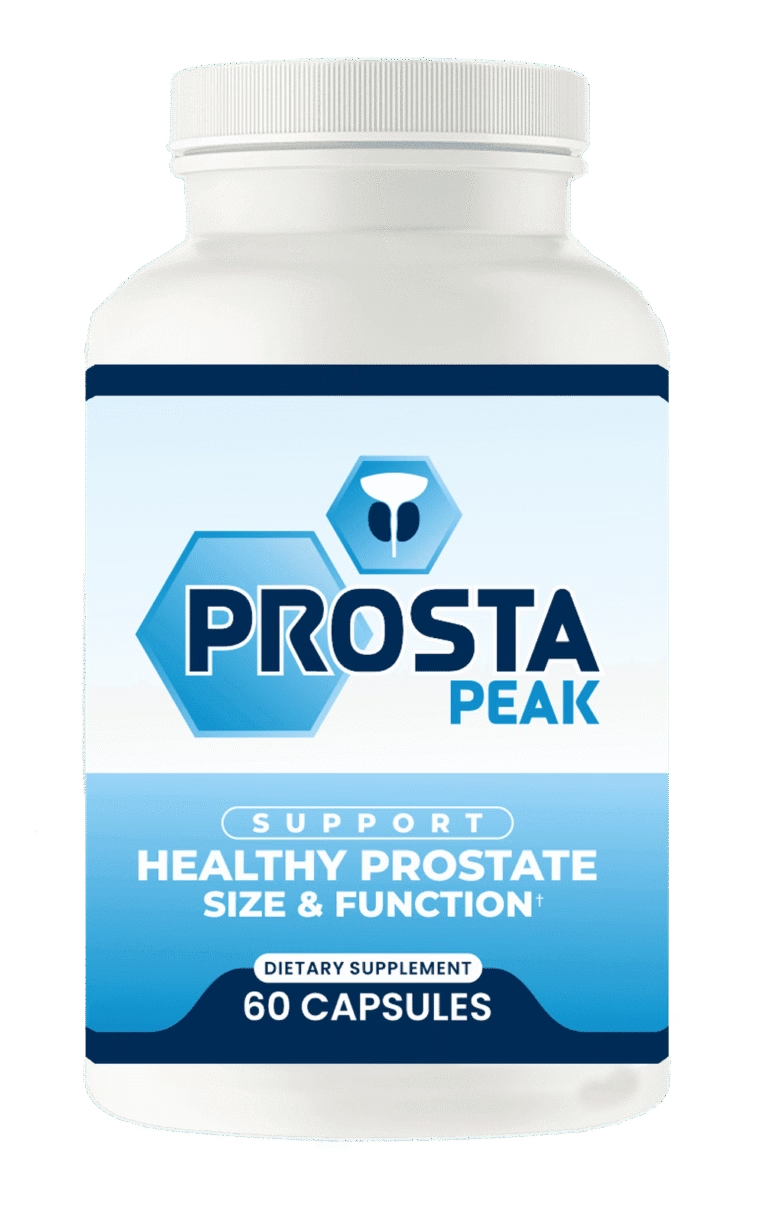
Prosta Peak reviewProsta Peak is a capsule prostate formula that names cat's claw, green tea, pygeum, raspberry, soursop and saw palmetto. No doses or full in...
Reader reviews
No reader reviews yet. If you have tried Raspberry, you can be the first to share how it went.
Reader reviews are personal opinions from visitors. We do not verify purchases, and reviews are not medical advice. We publish positive and negative reviews alike; see our review guidelines.
Write a review
Sources
- Effects of Dietary Red Raspberry Consumption on Pre-Diabetes and Type 2 Diabetes Mellitus Parameters. Int J Environ Res Public Health, 2021