What is cat’s claw?
Cat’s claw is a woody vine that grows in the Amazon rainforest and other parts of Central and South America. Its name comes from the curved, hook shaped thorns along its stems. Two species are sold as supplements: Uncaria tomentosa, the more common one, and Uncaria guianensis. The inner bark and root have a long history of use in traditional medicine in Peru and neighboring countries.
The plant contains several groups of compounds, including oxindole alkaloids, which have been studied in the lab for effects on immune cells and inflammation. Commercial products are usually made from dried bark and sold as capsules, tablets, tinctures or tea.

What the research says
The research base for cat’s claw is small. The National Center for Complementary and Integrative Health (NCCIH) states that there have been very few high quality clinical trials of cat’s claw and that there is no conclusive evidence supporting its use for any health purpose. Many of the existing studies were small or used weak methods.
Some of the human research has looked at inflammation related joint conditions, and some has been done in people with cancer. For example, a 2015 phase II study in Brazil gave 51 people with advanced solid tumors 100 mg of dry cat’s claw extract three times a day and reported improvements in some quality of life measures. That study had no placebo group, so it cannot show whether cat’s claw caused the changes. It also does not tell us anything about cat’s claw as a treatment for cancer, and no one should use it in place of medical care.
We found no human studies of cat’s claw for prostate health, urinary symptoms or oral health. Claims in those areas rely on lab findings about inflammation and immune activity, not on clinical outcomes.

How it’s used in supplements
Cat’s claw appears in joint formulas, immune support blends and some prostate and men’s health products. Doses in studies have varied, and there is no established standard dose. Many multi ingredient supplements list cat’s claw inside a proprietary blend without a specific amount, which makes it difficult to judge how much a person is actually taking.
According to NCCIH, cat’s claw taken by mouth appears to be safe for most people for short periods, up to about six months. There is little reliable information about longer use. Several safety points stand out. Cat’s claw may increase immune activity, which could be a concern for people with autoimmune diseases. It may slow blood clotting and increase the risk of bleeding during surgery. In theory, it might interact with blood thinners, antiplatelet drugs and blood pressure medicines. Some studies suggest it is unsafe during pregnancy, and little is known about its safety during breastfeeding.
Anyone considering cat’s claw should talk with a doctor or pharmacist first, especially if they take prescription medicines, have an autoimmune condition, are pregnant or breastfeeding, or have surgery coming up.
Safety and cautions
May slow blood clotting and increase immune activity. Avoid before surgery and talk to a doctor if you take blood thinners, antiplatelet or blood pressure drugs, or have an autoimmune disease. Some studies suggest it is unsafe in pregnancy.
Supplements we reviewed that contain it
★★☆☆☆
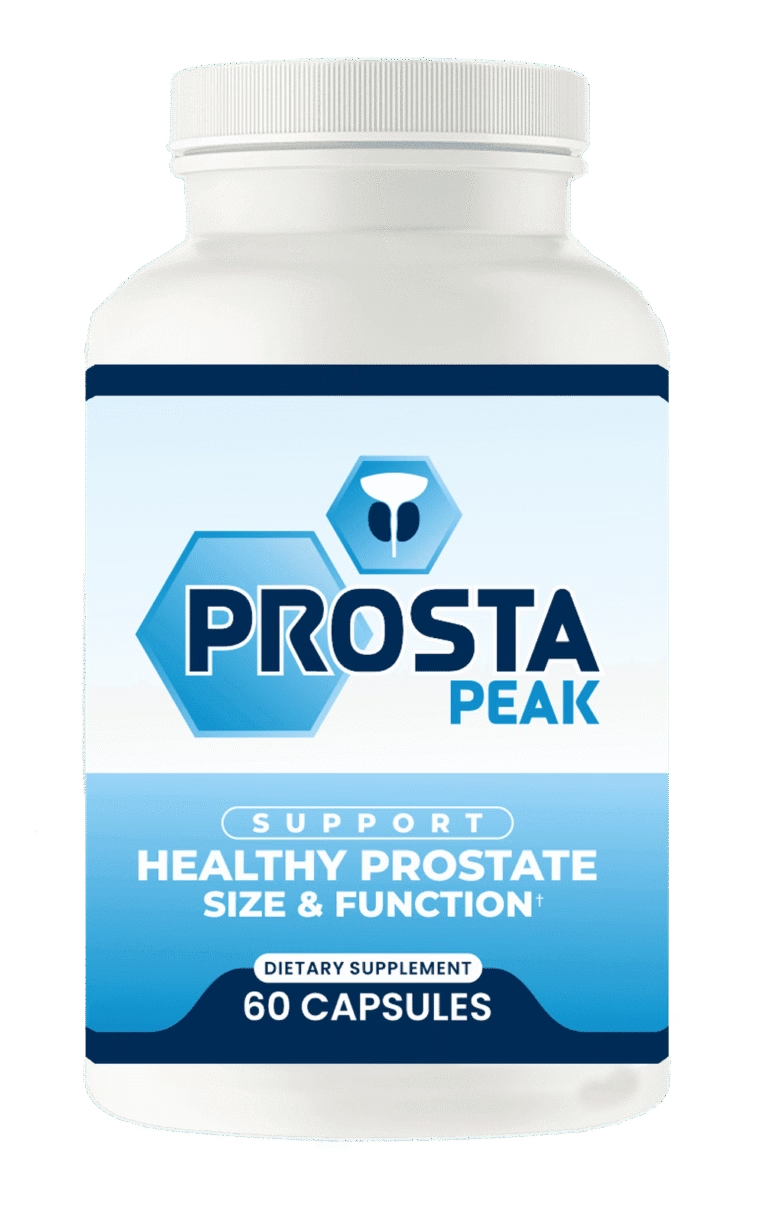
Prosta Peak reviewProsta Peak is a capsule prostate formula that names cat's claw, green tea, pygeum, raspberry, soursop and saw palmetto. No doses or full in...
Reader reviews
No reader reviews yet. If you have tried Cat’s claw, you can be the first to share how it went.
Reader reviews are personal opinions from visitors. We do not verify purchases, and reviews are not medical advice. We publish positive and negative reviews alike; see our review guidelines.
Write a review
Sources
- Cat's Claw. NCCIH
- Uncaria tomentosa (cat's claw) improves quality of life in patients with advanced solid tumors. J Altern Complement Med, 2015