What is green tea extract?
Green, black and oolong teas all come from the same plant, Camellia sinensis. As the National Center for Complementary and Integrative Health explains, green tea is made by steaming, pan frying and drying the leaves without fermenting them, which preserves high levels of catechins, a group of polyphenols. The most abundant catechin is epigallocatechin gallate (EGCG). Green tea also naturally contains caffeine and the amino acid L-theanine.
Green tea extract concentrates these compounds into capsules or powders, often standardized to a percentage of total catechins or EGCG. Extracts can deliver far more catechins than you would get from drinking tea.

What the research says
Green tea is one of the most studied weight-management ingredients, and the results are consistently modest. A Cochrane systematic review of randomized trials lasting at least 12 weeks in overweight or obese adults concluded that green tea preparations appear to produce a small, statistically non-significant weight loss that is not likely to be clinically important. Green tea had no significant effect on keeping weight off.
NCCIH summarizes the evidence similarly: the catechins and caffeine in green tea may have a modest effect on body weight, and results depend on the product’s composition and a person’s physical activity. Green tea extracts have also been found to lower total and LDL cholesterol slightly. Large studies on cancer and heart disease prevention have been inconsistent.
We rate the evidence as limited for weight management. Drinking green tea is a healthy habit, but concentrated extracts should not be expected to produce meaningful weight loss on their own.

How it’s used in supplements
Green tea extract appears in countless fat burners, energy products and antioxidant formulas. Safety is the key issue. NCCIH reports no safety concerns for green tea as a beverage in adults, but side effects of extract supplements include nausea, constipation, abdominal discomfort and increased blood pressure. Liver injury, though uncommon, has been reported, mostly with extracts in tablet or capsule form, and people with a specific immune-related gene variant appear to be more susceptible.
Green tea can also interact with medications. NCCIH notes that high doses reduce blood levels of the beta-blocker nadolol, that green tea extract can lower levels of the cholesterol drug atorvastatin, and that an interaction with raloxifene has been shown. Because green tea contains caffeine, pregnant women should keep total caffeine moderate.
In Java Burn, Camellia sinensis is listed without an amount, so its caffeine and catechin content are unknown. Keep in mind that it is added to coffee, which means your total caffeine intake will be higher than from coffee alone. In Claritox Pro, green tea is likewise listed without an amount.
Safety and cautions
Contains caffeine. Extracts can cause nausea, stomach upset and raised blood pressure, and have been linked to rare liver injury. Interacts with nadolol, atorvastatin and raloxifene. Limit during pregnancy; avoid with liver disease.
Supplements we reviewed that contain it
★★★☆☆
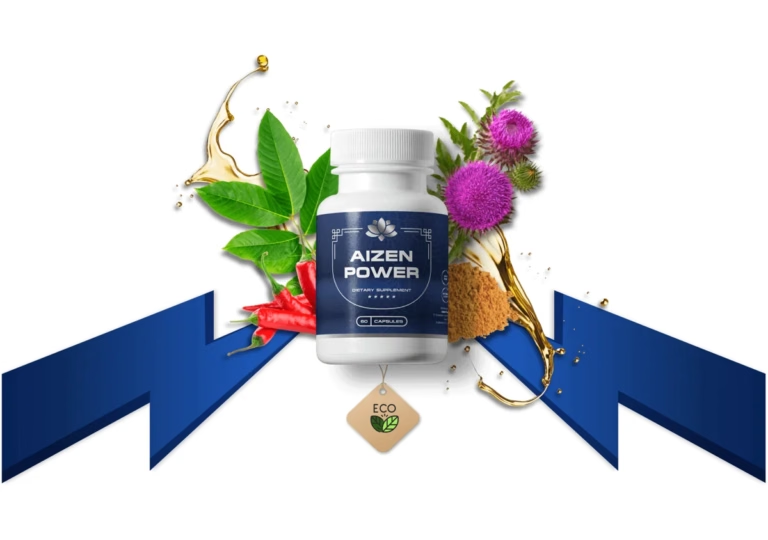
Aizen Power reviewAizen Power is a men's capsule combining zinc, chromium, alpha-lipoic acid, green tea, berberine, resveratrol and a small herbal blend. Its ...
★★☆☆☆
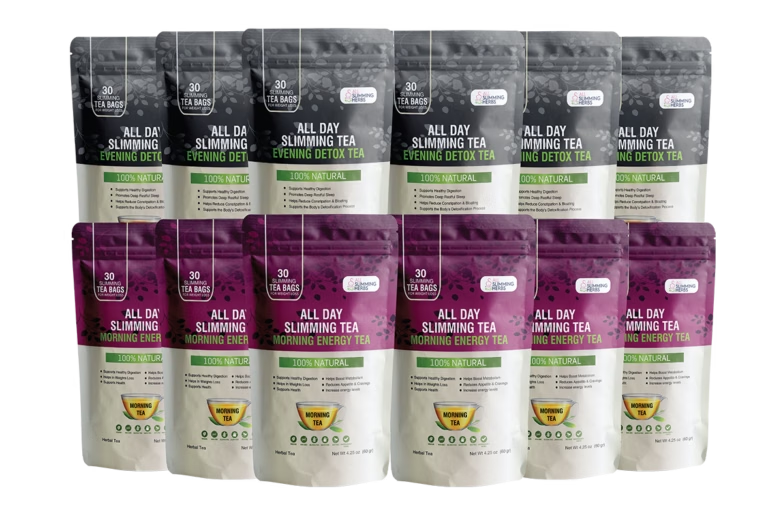
All Day Slimming Tea reviewAll Day Slimming Tea is a two-part herbal tea with a caffeinated green and oolong morning blend and a senna-based evening blend. No amounts ...
★★★☆☆
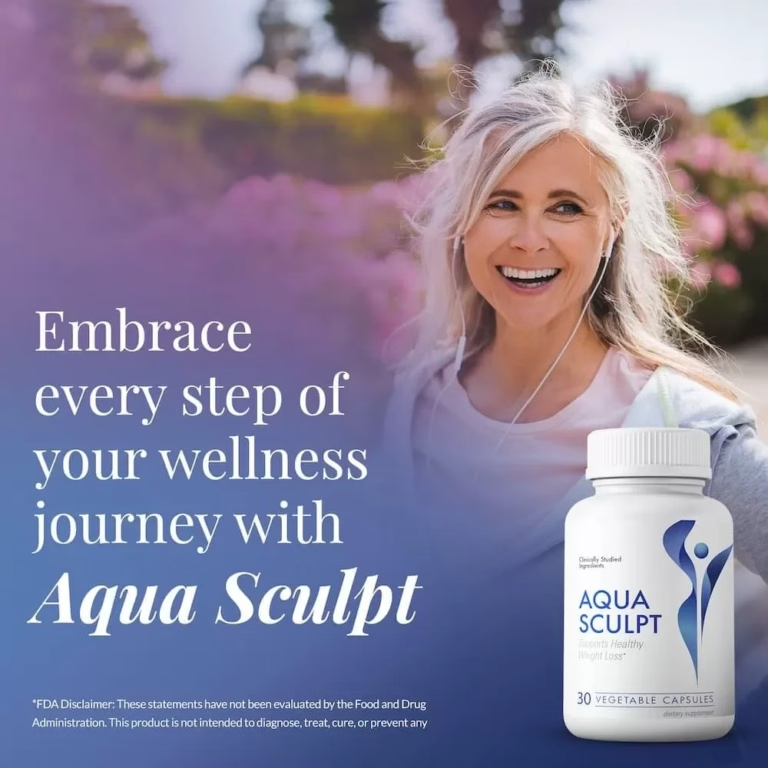
AquaSculpt reviewAquaSculpt is a one-a-day capsule pairing zinc and chromium with a 276 mg blend of eight metabolism botanicals. The label is more transparen...
★★☆☆☆
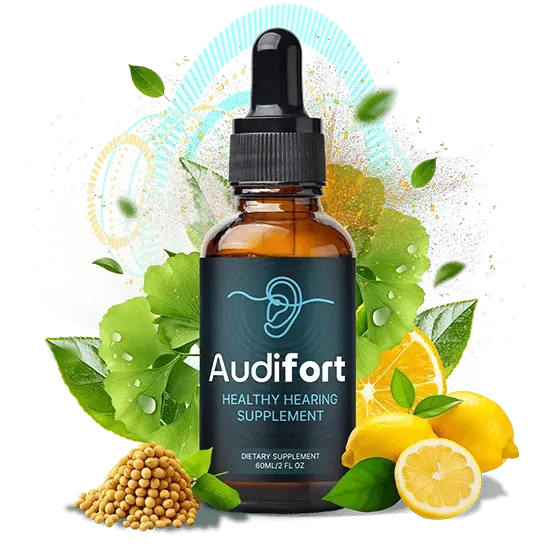
Audifort reviewAudifort is a liquid dropper supplement marketed for hearing and ringing ears. Its 200 mg proprietary blend of herbs and amino acids has no ...
★★☆☆☆
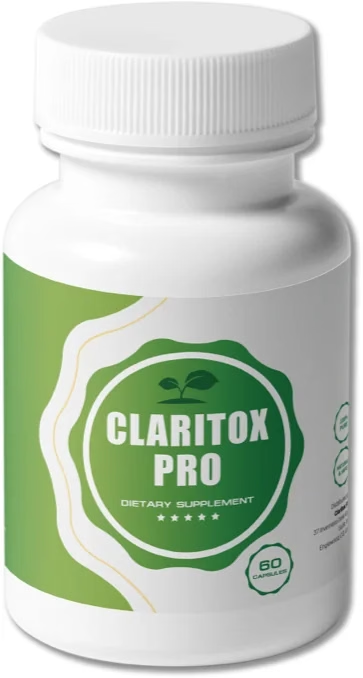
Claritox Pro reviewClaritox Pro is a capsule marketed for balance and steadiness, but its ingredients (zinc, chromium, berberine, banaba, ginseng and others) a...
★★☆☆☆
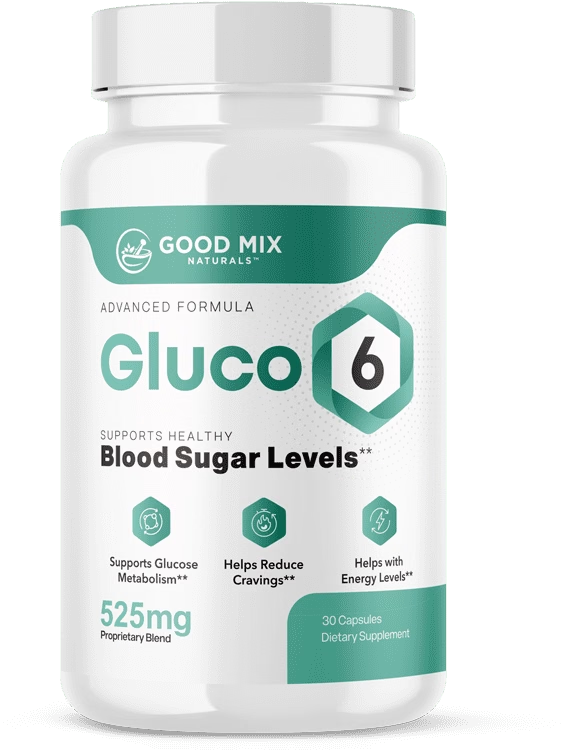
Gluco6 reviewGluco6 is a one-capsule daily blood sugar and weight loss supplement with 1,000 mcg chromium, vitamins B1 and D3, and a 525 mg blend featuri...
★★★☆☆
HepatoBurn reviewHepatoBurn is a liver-focused weight supplement with ten ingredients, including berberine, milk thistle and green tea. A few have modest evi...
★★★☆☆
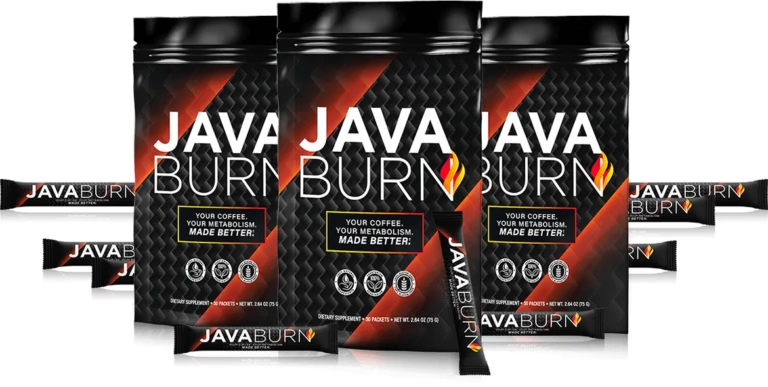
Java Burn reviewJava Burn is a coffee add-in powder with green coffee extract, green tea, chromium, L-carnitine and L-theanine. The ingredients have modest ...
★★★☆☆
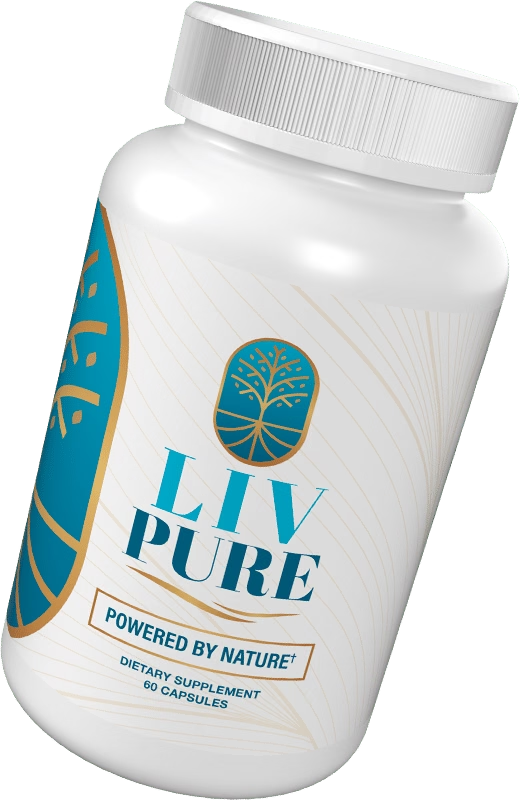
Liv Pure reviewLiv Pure is a liver-themed capsule for weight management that names ten ingredients, including milk thistle, berberine and green tea, but di...
★★☆☆☆
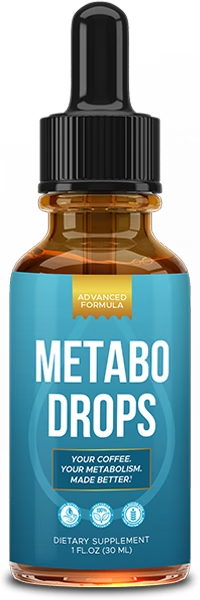
Metabo Drops reviewMetabo Drops is a liquid coffee additive that lists chlorogenic acid, green tea, chromium, L-carnitine and L-theanine but does not disclose ...
★★☆☆☆
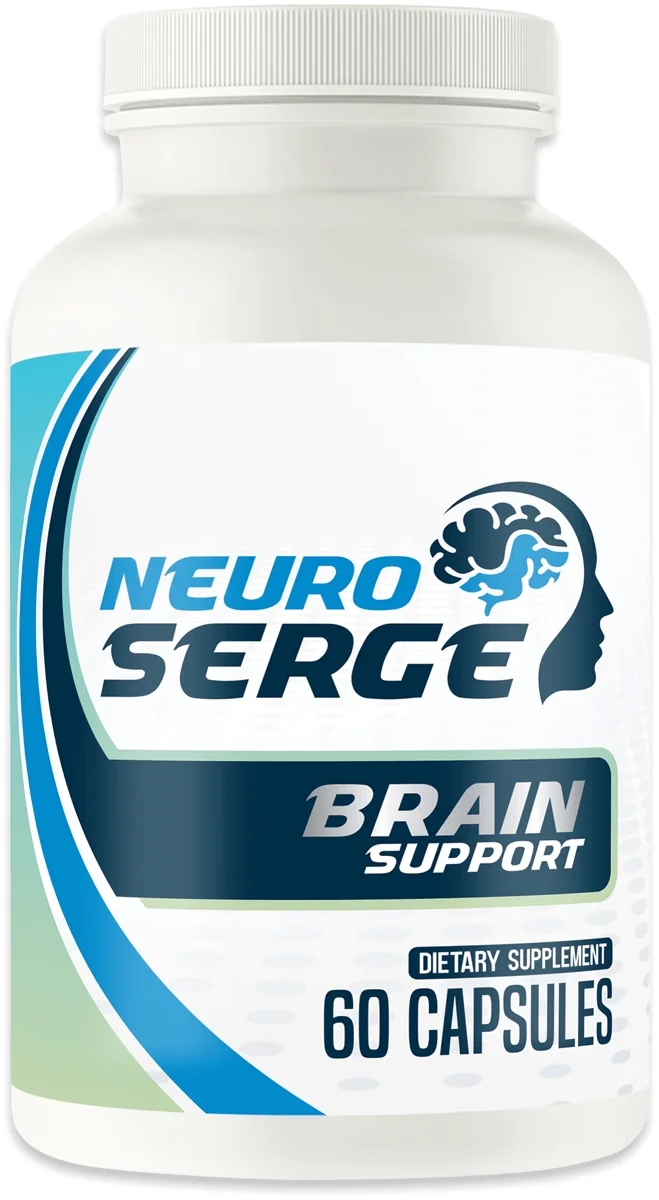
Neuro Serge reviewNeuro Serge is a capsule marketed for brain health that names six botanicals, mostly studied for cardiometabolic health, with no doses discl...
★★☆☆☆
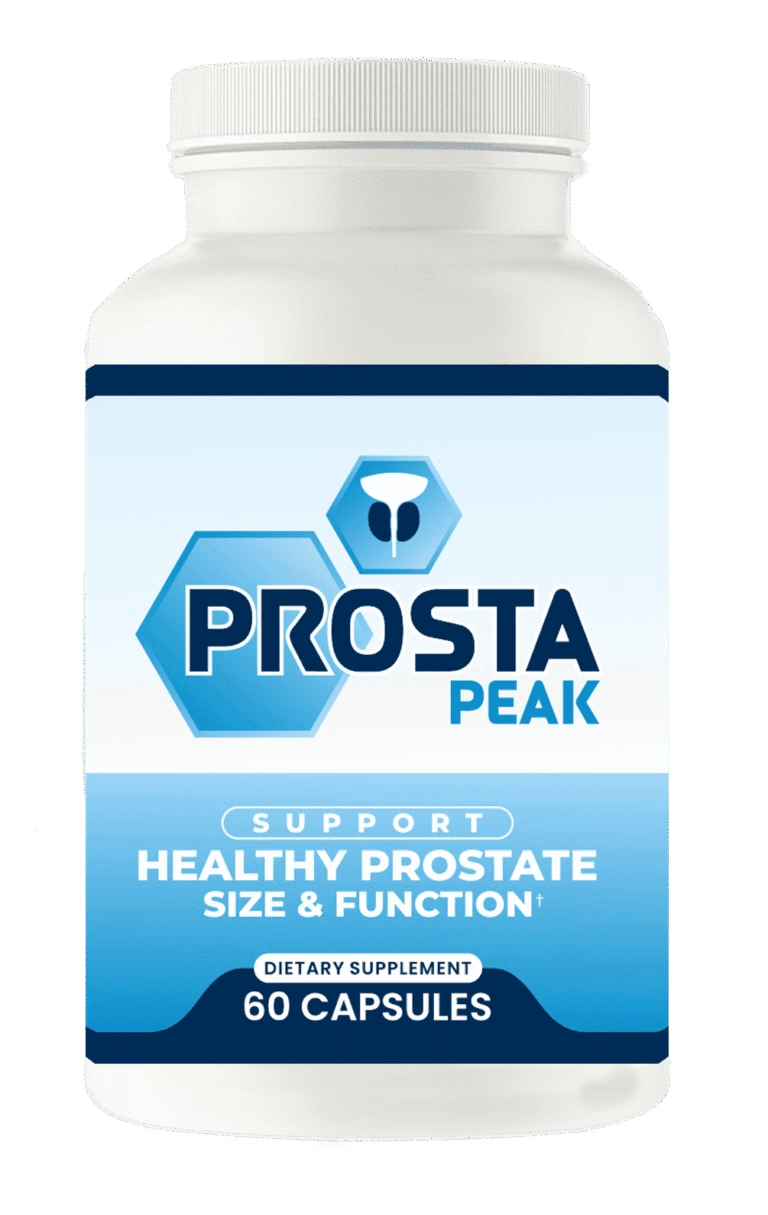
Prosta Peak reviewProsta Peak is a capsule prostate formula that names cat's claw, green tea, pygeum, raspberry, soursop and saw palmetto. No doses or full in...
Reader reviews
No reader reviews yet. If you have tried Green tea extract, you can be the first to share how it went.
Reader reviews are personal opinions from visitors. We do not verify purchases, and reviews are not medical advice. We publish positive and negative reviews alike; see our review guidelines.
Write a review
Sources
- Green Tea: Usefulness and Safety. NCCIH
- Green tea for weight loss and weight maintenance in overweight or obese adults. Cochrane Database Syst Rev, 2012
- United States Pharmacopeia (USP) comprehensive review of the hepatotoxicity of green tea extracts. Toxicol Rep, 2020
- Dietary Supplements for Weight Loss Fact Sheet for Health Professionals. NIH Office of Dietary Supplements
- Effects of Tea (Camellia sinensis) or its Bioactive Compounds l-Theanine or l-Theanine plus Caffeine on Cognition, Sleep, and Mood in Healthy Participants: A Systematic Review and Meta-Analysis of Randomized Controlled Trials. Nutr Rev, 2025