What is pygeum?
Pygeum comes from the bark of Prunus africana, an evergreen tree native to the mountains of central and southern Africa. Bark preparations were used traditionally for bladder and urinary complaints, and standardized extracts have been sold in Europe for decades as a treatment for urinary symptoms linked to benign prostatic hyperplasia (BPH). The extract contains phytosterols such as beta-sitosterol, pentacyclic triterpenes and ferulic acid esters.

What the research says
Enlarged prostate symptoms
The key summary is a Cochrane review of 18 randomized trials involving 1,562 men with BPH. Compared with placebo, pygeum produced a moderately large improvement in a combined measure of urinary symptoms and flow. Men taking pygeum were about twice as likely to report overall symptom improvement. Nighttime urination fell by 19%, the volume of urine left after voiding fell by 24%, and peak flow rose by 23%. Side effects were mild and similar to placebo (Wilt et al., 2002).
The reviewers were careful to add that the studies were small and short, averaging about two months, used different doses and preparations, and rarely used standardized symptom scales. No trials compared pygeum with standard drugs such as alpha-blockers or 5-alpha-reductase inhibitors. A companion meta-analysis by the same research group, published in the American Journal of Medicine, reviewed the same body of evidence (Ishani et al., 2000).
What we still don’t know
There are few modern, large, placebo-controlled trials of pygeum, and none that show it prevents complications such as urinary retention or the need for surgery. Its effect on PSA levels and prostate size is not clearly established. Because pygeum products differ in extraction and standardization, results from one preparation may not apply to another.
Who might consider it
Pygeum may be a reasonable option to discuss with a doctor for men with mild urinary symptoms from a diagnosed enlarged prostate who prefer to try a botanical first. It is not a substitute for medical evaluation, and men with severe symptoms, recurrent infections or retention need standard care.
How it might work
Lab studies suggest pygeum may reduce inflammation in prostate tissue, affect growth factors and influence bladder muscle function, but these mechanisms are not confirmed in people.

How it’s used in supplements
Pygeum is sold as capsules of standardized bark extract and is common in multi-ingredient prostate formulas. Because preparations differ, look for products that state the extract ratio or standardization. It is generally well tolerated; mild digestive upset is the most commonly reported type of side effect. Men should have urinary symptoms evaluated before self-treating and should tell their doctor about pygeum if they take prostate medicines or blood thinners. It is not intended for women or children.
Safety and cautions
Generally well tolerated; mild digestive upset most common. Get urinary symptoms evaluated by a doctor. Tell your doctor if you take prostate medicines or blood thinners.
Supplements we reviewed that contain it
★★☆☆☆
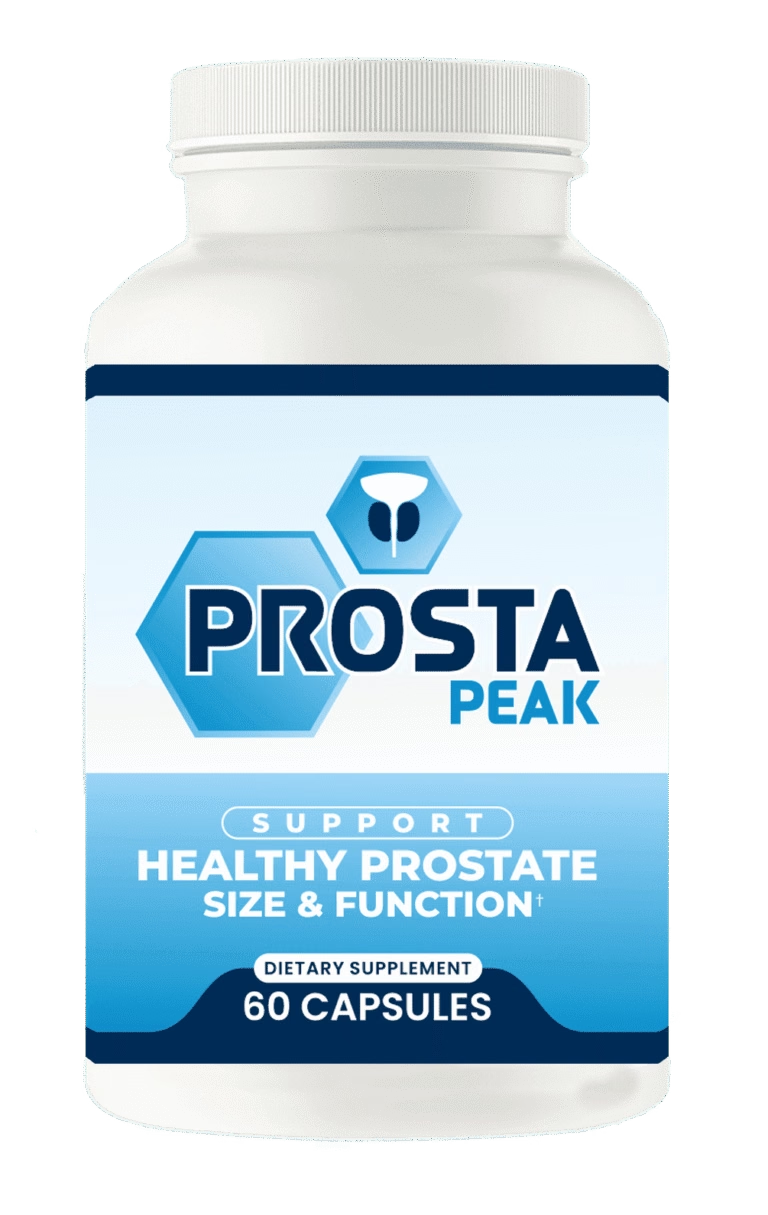
Prosta Peak reviewProsta Peak is a capsule prostate formula that names cat's claw, green tea, pygeum, raspberry, soursop and saw palmetto. No doses or full in...
★★★☆☆
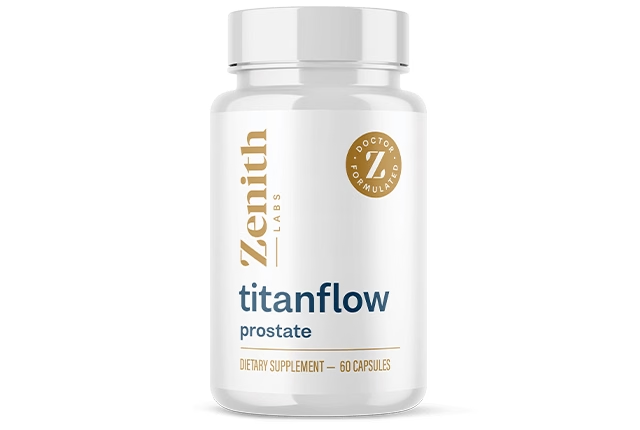
TitanFlow reviewTitanFlow is a five-ingredient prostate and urinary flow capsule from Zenith Labs with a fully disclosed label. Pygeum and beta-sitosterol g...
★★★☆☆
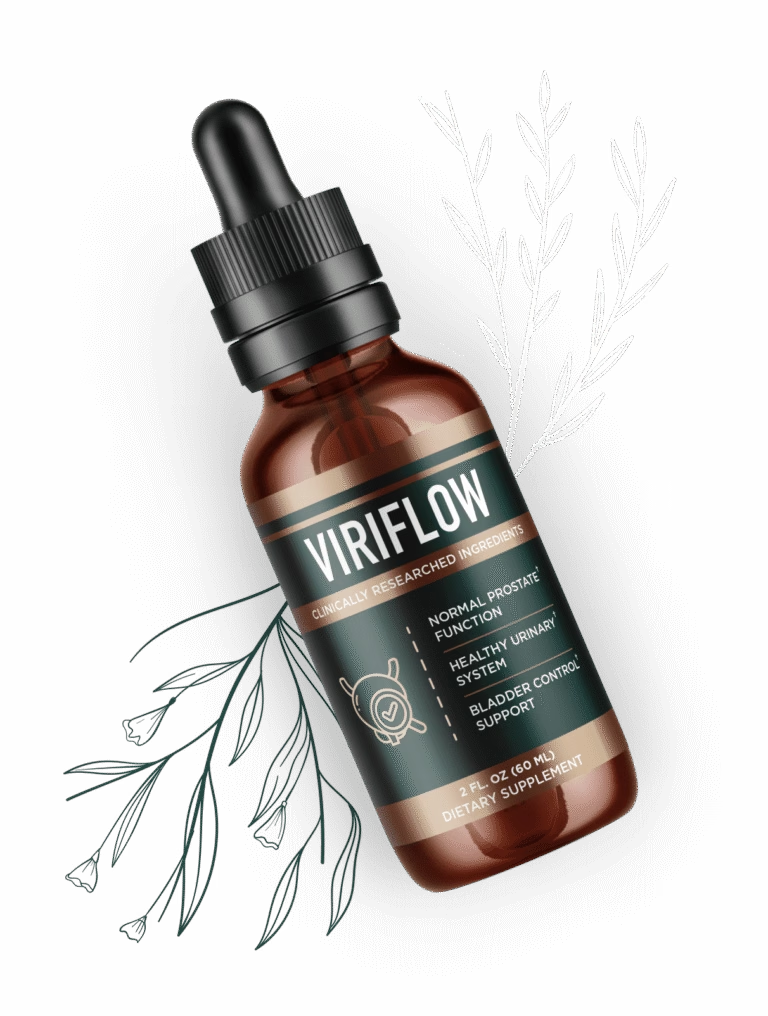
ViriFlow reviewViriFlow is a liquid prostate drop with iodine and a 700 mg blend of saw palmetto, pygeum, seaweeds and other botanicals. The label is shown...
Reader reviews
No reader reviews yet. If you have tried Pygeum, you can be the first to share how it went.
Reader reviews are personal opinions from visitors. We do not verify purchases, and reviews are not medical advice. We publish positive and negative reviews alike; see our review guidelines.
Write a review
Sources
- Pygeum africanum for benign prostatic hyperplasia. Cochrane Database Syst Rev, 2002
- Pygeum africanum for the treatment of patients with benign prostatic hyperplasia: a systematic review and quantitative meta-analysis. Am J Med, 2000