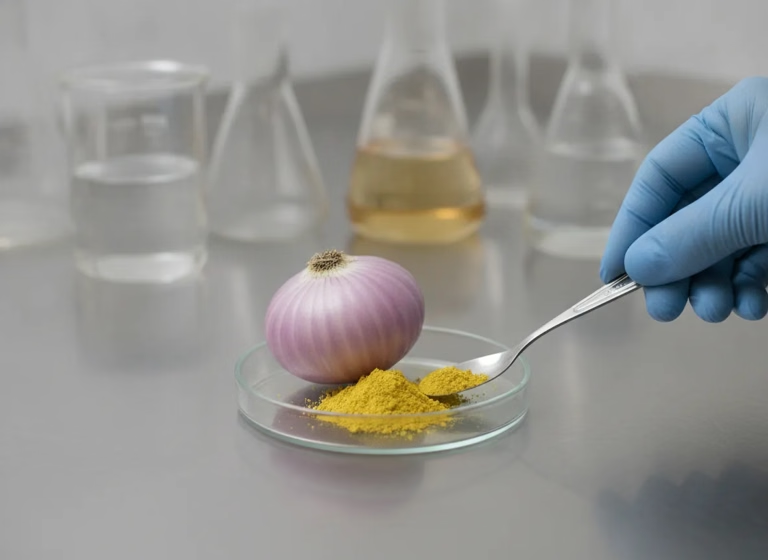
 Quercetin
 is a plant flavonoid found in onions, apples and tea. It is a strong antioxidant in the lab, but human evidence for eye health is lacking, a...
Read the ingredient guide
Ingredient type
Plant compounds found in tea, berries, cocoa and grapes, studied for heart, metabolic and brain health. Absorption is often low.
Quercetin
Quercetin is a plant flavonoid found in onions, apples and tea. It is a strong antioxidant in the lab, but human evidence for eye health is lacking, a...
 Bilberry
 is a European relative of the blueberry, rich in anthocyanins. NCCIH says it has not been clearly shown to help any health condition, and the...
 Moro Orange Extract
Moro orange extract, sold under the trade name Morosil, comes from a Sicilian blood orange rich in anthocyanins. A few small trials found modest weigh...
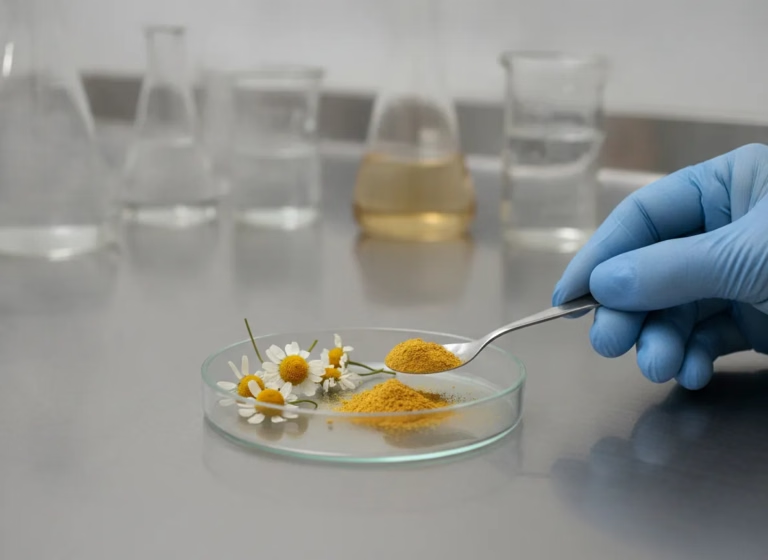 Apigenin
 is a chamomile flavonoid with calming effects in animal studies. Human evidence comes mostly from chamomile products and is mixed for insomni...
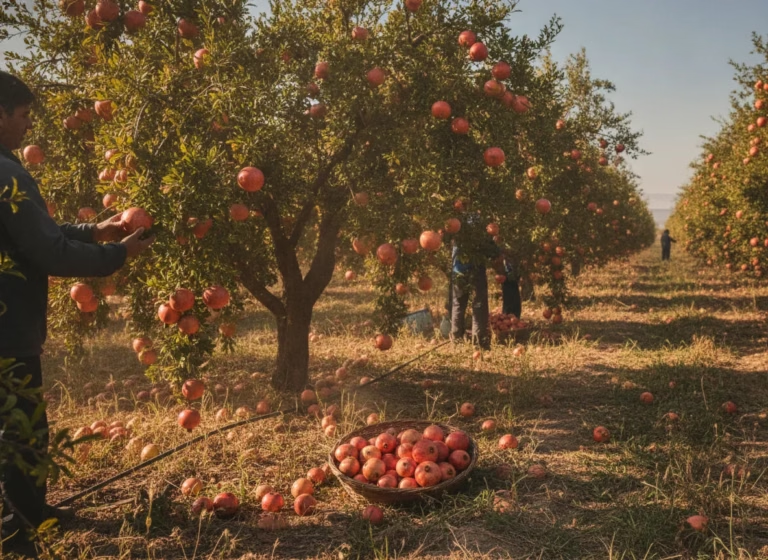 Pomegranate
 is rich in polyphenols called ellagitannins. Early prostate studies looked promising, but a placebo-controlled trial found no effect on PS...
 Turmeric
 and its main compound curcumin are widely studied for inflammation. In dentistry, curcumin mouthwashes and gels have shown effects similar to...
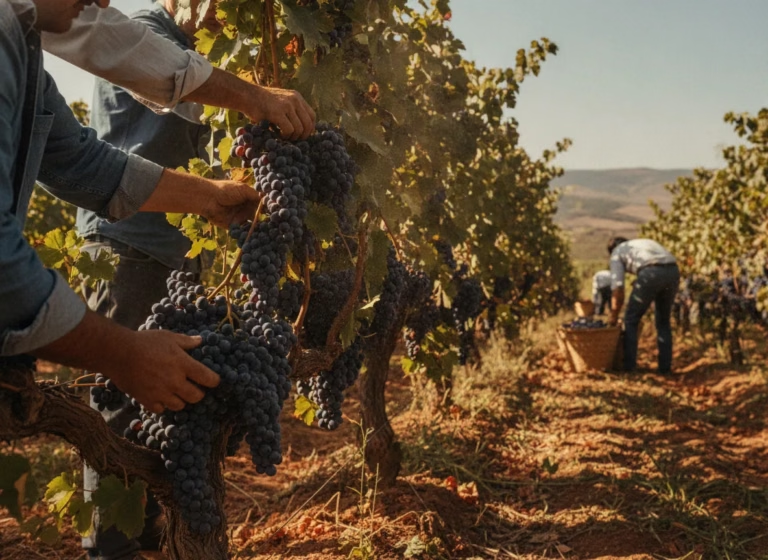 Grape seed extract
 is rich in proanthocyanidins and has well-controlled studies for cholesterol and blood pressure. Its effect on fasting glucose appe...
 Pine bark extract
 is a polyphenol-rich antioxidant studied in many small trials, including for cognition. Most research uses one branded extract and i...
 Genistein
 is a soy isoflavone with weak estrogen-like activity. One small trial in fatty liver patients found improvements in insulin resistance and i...
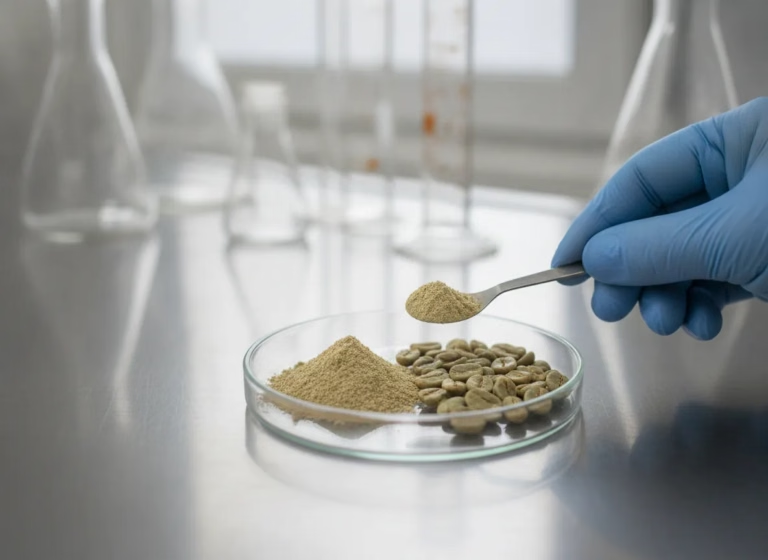 Chlorogenic acid
 is the main polyphenol in green coffee beans. Small, often low-quality trials suggest a modest effect on body weight.