What is vitamin D3?
Vitamin D is a fat-soluble vitamin that the skin makes when exposed to sunlight and that also comes from a few foods, such as fatty fish, fish liver oils, egg yolks and fortified milk and cereals. Vitamin D3 (cholecalciferol) is the form made in skin and the form most often used in supplements. The body converts it into active hormones that help absorb calcium and maintain bones, and that act on muscles, immune cells and many other tissues.
The NIH Office of Dietary Supplements (ODS) lists Recommended Dietary Allowances of 15 to 20 mcg (600 to 800 IU) per day for adults, depending on age, and a tolerable upper intake level of 100 mcg (4,000 IU) per day for adults (ODS vitamin D fact sheet).

What the research says
Vitamin D’s role in bone health and in preventing deficiency diseases such as osteomalacia is well established. Many older adults, people with darker skin, people who spend little time outdoors and people with obesity have lower vitamin D levels and may benefit from supplementation, ideally guided by a blood test.
The evidence for vitamin D and the prostate is mixed. The research cited by ODS includes observational studies and meta-analyses that reached different conclusions about circulating vitamin D and prostate cancer risk, including some that found a higher risk with higher vitamin D levels (ODS). We found no good clinical trials showing that vitamin D supplements improve urinary flow, prostate size or prostate symptoms in men. Among studies of so-called testosterone boosters, vitamin D (cholecalciferol) was the most studied ingredient, but most trials did not show a rise in total testosterone (Morgado et al., 2024).
In short, vitamin D is worth getting in adequate amounts for general health, not as a prostate remedy.
How it’s used in supplements
Vitamin D3 is found in multivitamins, calcium products and stand-alone capsules, commonly at 25 to 125 mcg (1,000 to 5,000 IU). A 50 mcg (2,000 IU) dose sits above the RDA but below the upper limit. People who already take a vitamin D supplement or multivitamin should add up the total so they stay below 100 mcg per day unless their doctor advises otherwise.
Vitamin D toxicity almost always comes from excessive supplement use and can cause high blood calcium. ODS notes that vitamin D can interact with orlistat, statins, steroids and thiazide diuretics (ODS). People with kidney disease, sarcoidosis or a history of high calcium or kidney stones should talk with a doctor before supplementing.
How much vitamin D3 per day?
The NIH Office of Dietary Supplements lists these intakes, set by the National Academies. One microgram (mcg) equals 40 IU (ODS).
| Age | RDA per day | Upper limit per day |
|---|---|---|
| 1 to 3 years | 15 mcg (600 IU) | 63 mcg (2,500 IU) |
| 4 to 8 years | 15 mcg (600 IU) | 75 mcg (3,000 IU) |
| 9 to 70 years, including pregnancy and breastfeeding | 15 mcg (600 IU) | 100 mcg (4,000 IU) |
| Over 70 years | 20 mcg (800 IU) | 100 mcg (4,000 IU) |
The upper limit counts vitamin D from all supplements, including multivitamins and calcium products. In its 2024 guideline, the Endocrine Society suggested against taking more than the recommended intake to prevent disease in healthy adults under 75, while suggesting supplementation for adults over 75, pregnant people, children and adolescents, and adults with high-risk prediabetes (Demay et al., 2024). Higher therapeutic doses for a diagnosed deficiency should be set by your doctor.
Vitamin D3 vs D2
Vitamin D2 (ergocalciferol) is the plant and fungal form; D3 (cholecalciferol) is the form human skin makes. ODS notes that both forms are well absorbed, but D3 raises blood 25-hydroxyvitamin D more and keeps it elevated longer. A 2012 meta-analysis of randomized trials found D3 more effective overall, with the clearest difference for large intermittent doses and little difference with daily dosing.
Best time to take vitamin D3, and should you add K2?
Vitamin D is fat soluble. ODS notes that fat in the gut improves its absorption, although some is absorbed without it. In a randomized absorption study in 50 older adults, a single vitamin D3 dose taken with a fat-containing breakfast was absorbed about 32% better than the same dose with a fat-free breakfast (Dawson-Hughes et al., 2015), and a small Cleveland Clinic study saw higher levels when patients moved their dose to the largest meal of the day (Mulligan and Licata, 2010). Morning or evening matters less than taking it consistently with food. The Endocrine Society also suggests daily rather than intermittent high doses for adults over 50.
Vitamin K2 is often paired with D3 in products. No official guideline requires the combination for healthy people, and the RDA for vitamin D does not depend on vitamin K intake. One important caution: vitamin K can change how warfarin works (MedlinePlus), so anyone taking warfarin should talk to their doctor before using a D3 plus K2 product. For related nutrients, see magnesium and our muscle and bone hub.
Frequently asked questions
What are the benefits of vitamin D3?
Vitamin D3 helps the body absorb calcium and maintain bones, and it supports muscle and immune function. Getting enough prevents deficiency diseases such as rickets in children and osteomalacia in adults. Benefits beyond correcting low intake are less certain, and large trials have not shown that extra vitamin D prevents most chronic diseases in healthy adults.
How much vitamin D3 should I take per day?
The RDA is 15 mcg (600 IU) per day for people aged 1 to 70, including during pregnancy, and 20 mcg (800 IU) after age 70. The upper limit for adults is 100 mcg (4,000 IU) per day from supplements. Your doctor may prescribe more for a diagnosed deficiency, but do not exceed the upper limit on your own.
Is vitamin D3 better than D2?
Usually, yes, for raising blood levels. NIH ODS notes that D3 increases blood 25-hydroxyvitamin D more than D2 and maintains it longer. A 2012 meta-analysis found the difference was clearest with large weekly or monthly doses and smaller with daily dosing. Both forms correct deficiency when taken as directed.
What is the best time of day to take vitamin D3?
There is no proven best hour. What matters more is taking it with a meal that contains some fat, which improves absorption, and taking it consistently. A small study found higher blood levels when people took their dose with their largest meal. Daily dosing is generally preferred over occasional large doses for adults over 50.
Should I take vitamin D3 with K2?
It is optional. No official guideline says healthy people need K2 to take vitamin D safely at recommended doses. Combination products are common, but if you take warfarin, vitamin K can change how the drug works, so talk to your doctor before starting any product containing vitamin K.
How much vitamin D3 is too much?
For adults and children 9 and older, the upper limit is 100 mcg (4,000 IU) per day from supplements. Toxicity almost always comes from excessive supplement use and can cause high blood calcium, kidney problems and heart rhythm changes. Add up all products you take, including multivitamins, and ask your doctor before using more.
Can you take vitamin D3 while pregnant?
Yes, the RDA during pregnancy is 15 mcg (600 IU) per day, and the 2024 Endocrine Society guideline suggests supplementation during pregnancy. The upper limit of 100 mcg (4,000 IU) still applies. Prenatal vitamins often contain vitamin D, so check your total intake and follow your doctor's advice.
Safety and cautions
Do not exceed 100 mcg (4,000 IU) per day from all supplements without medical advice. Excess can raise blood calcium. May interact with orlistat, statins, steroids and thiazide diuretics. People with kidney disease, sarcoidosis or high calcium should consult a doctor.
Supplements we reviewed that contain it
★★☆☆☆
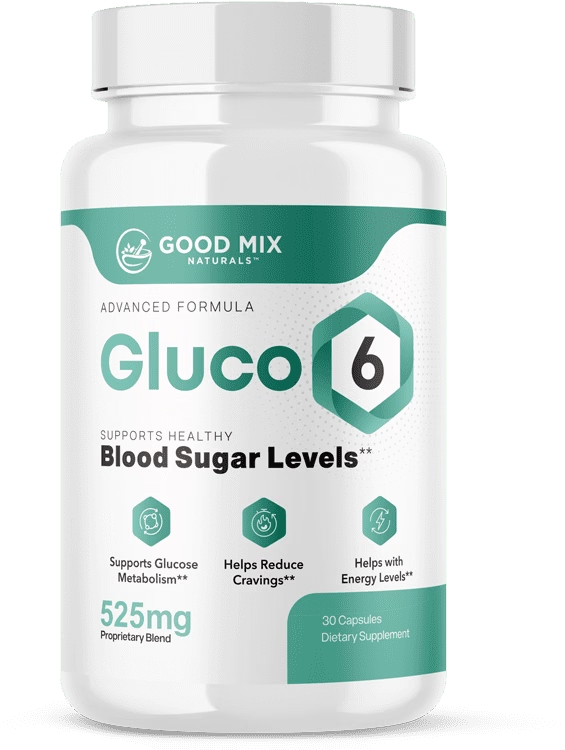
Gluco6 reviewGluco6 is a one-capsule daily blood sugar and weight loss supplement with 1,000 mcg chromium, vitamins B1 and D3, and a 525 mg blend featuri...
★★★☆☆
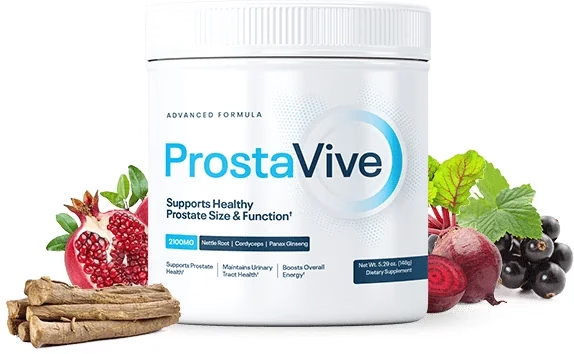
ProstaVive reviewProstaVive is a once-daily drink powder with nettle root, ashwagandha, tongkat ali, fenugreek, boron, vitamin D3 and zinc. Doses are mostly ...
Reader reviews
No reader reviews yet. If you have tried Vitamin D3, you can be the first to share how it went.
Reader reviews are personal opinions from visitors. We do not verify purchases, and reviews are not medical advice. We publish positive and negative reviews alike; see our review guidelines.
Write a review
Sources
- Vitamin D Fact Sheet for Health Professionals. NIH Office of Dietary Supplements
- Do "testosterone boosters" really increase serum total testosterone? A systematic review. Int J Impot Res, 2024
- Vitamin D for the Prevention of Disease: An Endocrine Society Clinical Practice Guideline. J Clin Endocrinol Metab, 2024
- Comparison of vitamin D2 and vitamin D3 supplementation in raising serum 25-hydroxyvitamin D status: a systematic review and meta-analysis. Am J Clin Nutr, 2012
- Dietary fat increases vitamin D-3 absorption. J Acad Nutr Diet, 2015
- Taking vitamin D with the largest meal improves absorption and results in higher serum levels of 25-hydroxyvitamin D. J Bone Miner Res, 2010
- Vitamin K. MedlinePlus