What is pomegranate?
Pomegranate (Punica granatum) is a fruit-bearing tree originally from the Middle East. Its juice, seeds and peel are rich in polyphenols, especially ellagitannins such as punicalagin, which the gut converts into compounds called urolithins. Pomegranate juice and extracts are promoted for blood pressure, heart health, blood sugar and, increasingly, prostate health (NCCIH).

What the research says
NCCIH notes that pomegranate juice or extract may help reduce blood pressure and may lower blood glucose slightly, but more research is needed, and no clear effects on cholesterol have been shown (NCCIH).
Pomegranate’s link to the prostate comes from research in men who had already been treated for prostate cancer and had rising PSA levels. In a randomized phase II study of 104 men, 1 g or 3 g per day of pomegranate extract was associated with a longer PSA doubling time. However, there was no placebo group, and the authors stressed that the meaning of this finding was unclear and that placebo-controlled studies were needed. Several authors had ties to the manufacturer (Paller et al., 2013).
When a placebo-controlled trial was done, the result was negative. In 102 men with advanced prostate cancer, drinking 500 ml of pomegranate juice daily for four weeks produced no difference in PSA levels or pain scores compared with a placebo drink (Stenner-Liewen et al., 2013).
We found no good human trials showing that pomegranate improves urinary symptoms, testosterone levels or erectile function in healthy men. Pomegranate should never be used in place of treatment for prostate cancer, and changes in PSA should always be interpreted by a doctor.

How it’s used in supplements
Pomegranate extract appears in prostate, heart and antioxidant formulas, often in small amounts or inside a proprietary blend. The doses tested in prostate research (1 to 3 g of extract) are much larger than what most blends contain.
Pomegranate juice is considered safe as a food, and extract may also be safe; some people have digestive symptoms, and allergic reactions are possible (NCCIH). In the extract trial, diarrhea was more common at the higher dose (Paller et al.). Pomegranate juice may interact with some medications metabolized by liver enzymes, so check with a pharmacist if you take prescription drugs, particularly blood thinners or blood pressure medicines.
The bottom line: pomegranate is a healthy food, and its extracts are reasonably safe, but the prostate story has been oversold. The early PSA findings came from men who had already been treated for prostate cancer, were not placebo-controlled, and were partly funded by industry, while a placebo-controlled trial found no PSA effect. For men without cancer, there is no evidence that pomegranate improves urinary symptoms or prostate size. Enjoy the fruit or juice if you like it, mind the sugar in juice, and leave PSA interpretation to your doctor.
Safety and cautions
Usually well tolerated; may cause digestive upset or diarrhea at higher doses, and allergies are possible. May modestly lower blood pressure. Check with a doctor or pharmacist if you take blood pressure medicines, blood thinners or other prescription drugs. Not a treatment for prostate cancer.
Supplements we reviewed that contain it
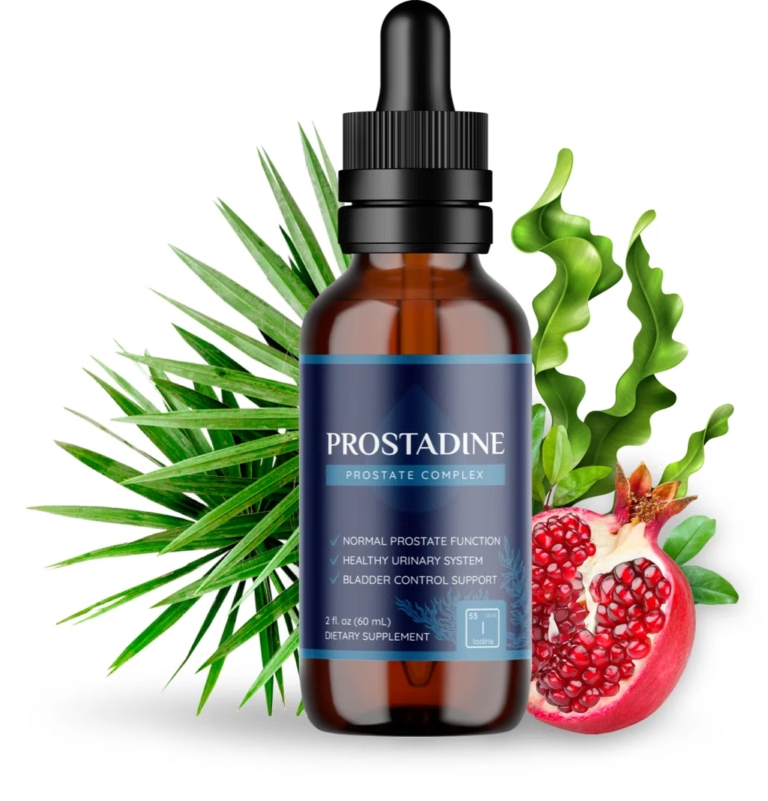
★★★☆☆
Prostadine reviewProstadine is a liquid prostate supplement built on seaweeds, iodine, saw palmetto, pomegranate, shilajit and neem. Doses are undisclosed an...

★★★☆☆
ViriFlow reviewViriFlow is a liquid prostate drop with iodine and a 700 mg blend of saw palmetto, pygeum, seaweeds and other botanicals. The label is shown...
Reader reviews
No reader reviews yet. If you have tried Pomegranate, you can be the first to share how it went.
Reader reviews are personal opinions from visitors. We do not verify purchases, and reviews are not medical advice. We publish positive and negative reviews alike; see our review guidelines.
Write a review
Sources
- Pomegranate: Usefulness and Safety. NCCIH
- A randomized phase II study of pomegranate extract for men with rising PSA following initial therapy for localized prostate cancer. Prostate Cancer Prostatic Dis, 2013
- Daily Pomegranate Intake Has No Impact on PSA Levels in Patients with Advanced Prostate Cancer – Results of a Phase IIb Randomized Controlled Trial. J Cancer, 2013