Our ranking
-
GlucoBerry★★★★☆
Best for: Adults working on borderline glucose markers with their doctor who want a fully disclosed, simply dosed formula
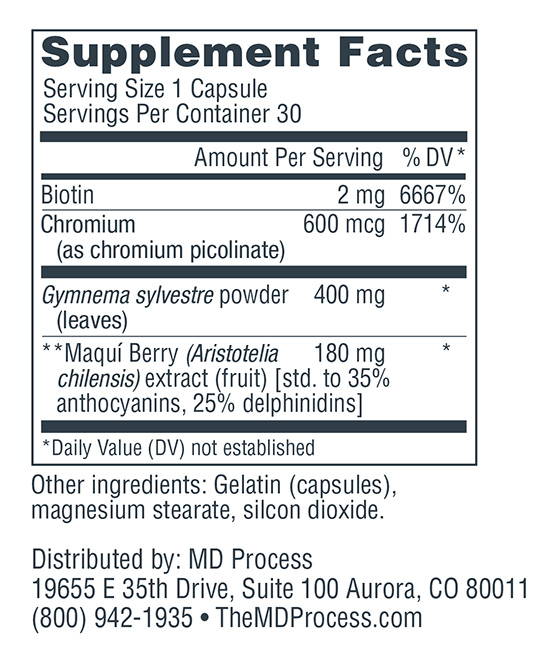
GlucoBerry is the most transparent blood sugar formula we have reviewed: four ingredients, all at or near studied doses, a $39 six-bottle price and a 180-day guarantee. The kidney "Blood Sugar Drain" story oversells small maqui studies, and 2 mg of biotin can skew lab tests, so use it only with your doctor's knowledge.
-
Sugar Defender★★★☆☆
Best for: People who prefer a liquid multi-botanical blend and accept very low individual doses
Sugar Defender publishes its full label, which shows a 200 mg proprietary blend split across 23 ingredients plus just 0.7 mcg of chromium. A few ingredients have some research, but none can be present at studied doses, caffeine is undisclosed, and the marketing leans on diabetes claims a supplement cannot support.
The short answer
GlucoBerry is the better choice for most people considering a blood sugar supplement. It discloses four ingredients at doses close to those used in research, costs less per bottle in multi-packs and offers a 180-day guarantee. Sugar Defender lists far more ingredients, but its small proprietary blend means each one is present in tiny amounts. Neither product treats diabetes, and both should be discussed with your doctor, especially if you take glucose-lowering medicine.
Side-by-side comparison
| GlucoBerry | Sugar Defender | |
|---|---|---|
| Score | 3.8 / 5 | 2.8 / 5 |
| Form | Capsule | Liquid drops |
| Doses disclosed | Yes, full label | Partly |
| Price, 6-bottle pack | $39 per bottle ($234 total) | $49 per bottle ($294 total) |
| Smallest order | $59 (single bottle on the MD/Process shop; $69 per bottle in the two-bottle package on the sales page) | $79 per bottle (two-bottle minimum, $158 total plus shipping) |
| Money-back guarantee | 180 days | 60 days |
Formula and dosing
GlucoBerry is a capsule with 180 mg of maqui berry extract, 400 mg of gymnema, 600 mcg of chromium and 2 mg of biotin, all listed on its supplement facts label. Sugar Defender is a liquid with 0.7 mcg of chromium and a 200 mg blend containing 23 ingredients, from maca and grape seed to guarana, African mango, gymnema, Panax ginseng, raspberry ketones and several amino acids, according to its label.
The difference is depth versus breadth. GlucoBerry’s chromium and biotin doses match a randomized trial in type 2 diabetes, and its maqui dose matches a small three-month study in people with glucose intolerance. Its gymnema dose is close to the 600 mg per day used in a placebo-controlled trial. Sugar Defender’s blend, by contrast, averages under 9 mg per ingredient per milliliter, and its chromium is roughly 1/850th of GlucoBerry’s.
Evidence and marketing
Both brands overreach. GlucoBerry’s “Blood Sugar Drain” story about kidney clogs is a marketing metaphor that the maqui studies did not test. Sugar Defender’s page offers a free diabetes management e-book and shows testimonials about getting off medication, which no supplement can justify. On balance, GlucoBerry’s claims at least rest on ingredients used at studied doses, while Sugar Defender’s cannot.
Safety
GlucoBerry’s higher, active doses mean its effects and interactions are more predictable: chromium and gymnema may lower glucose and add to diabetes medicines, and the Office of Dietary Supplements warns that high-dose biotin can distort lab results. Sugar Defender’s ingredients are present in small amounts, but it adds undisclosed caffeine from guarana and green tea, a licorice derivative and L-tryptophan. Anyone on insulin or other diabetes drugs should talk to a doctor before using either product because of the risk of low blood sugar.
Who each one suits
GlucoBerry suits adults who want a short, fully disclosed formula to discuss with their doctor, are comfortable with capsules and can plan around the biotin and lab test issue. It is also the better option if you want time to judge results, thanks to the 180-day guarantee. Sugar Defender suits only those who strongly prefer a liquid and want a broad botanical mix for its own sake, with the understanding that each ingredient is present in very small amounts. If you are sensitive to caffeine, Sugar Defender’s undisclosed guarana and green tea are another reason to choose GlucoBerry or neither. And if your main goal is better numbers on your next checkup, the habits in our health topic pages matter more than either product.
Price and guarantee
At the time of review, GlucoBerry cost $59 for one bottle on the MD/Process shop, $177 for three and $234 for six on its sales page, with a 180-day guarantee that does not require returning opened bottles. Sugar Defender started at two bottles for $158, with three for $207 and six for $294, and a 60-day guarantee that requires a return authorization. GlucoBerry is cheaper at every package size and has the longer refund window.
Our verdict
GlucoBerry wins clearly, earning 3.8 out of 5 against Sugar Defender’s 2.8. Choose Sugar Defender only if you strongly prefer a liquid and accept that its doses are symbolic. Whichever you consider, get your baseline numbers checked, keep your doctor informed and focus first on the lifestyle habits that matter most.
How we ranked these
We compared the two products' published labels, doses, ingredient research, prices and refund policies using the same scoring criteria as our full reviews. No product testing on people was involved.
Read our full review method