What is L-tryptophan?
L-tryptophan is an essential amino acid found in poultry, red meat, eggs, dairy, fish, soy and seeds. According to MedlinePlus, the body uses it to make proteins and converts some of it into 5-HTP and then serotonin, a chemical messenger involved in mood, sleep and appetite. Serotonin can in turn be converted into melatonin. Tryptophan is also used to make niacin (vitamin B3).
What the research says
MedlinePlus states that there is no good scientific evidence for most popular uses of tryptophan and rates it as possibly ineffective for depression. Some newer reviews are more encouraging for healthy people. A 2021 systematic review of 11 randomized trials concluded that 0.14 to 3 g of tryptophan per day, on top of usual meals, may help reduce anxiety and improve positive mood in healthy adults. A 2022 meta-analysis found that tryptophan supplementation shortened time awake after falling asleep, especially at 1 g or more per day, but did not change other sleep measures. Both reviews called for better studies.
In an essential amino acid formula, tryptophan’s main role is as one of the building blocks for body proteins.
Food first
Tryptophan is found in most protein foods, including poultry, eggs, dairy, fish, soy and seeds. A balanced diet with enough protein provides tryptophan for normal protein building and serotonin production. In an essential amino acid blend, tryptophan is usually one of the smaller components, because the body needs less of it than of leucine or lysine. Even so, the interaction cautions still apply, because the amount in a given product is often not disclosed. If you take any medicine that affects serotonin or makes you sleepy, ask your doctor or pharmacist before adding any supplement that lists tryptophan, even as part of a blend.
How it’s used in supplements
Tryptophan is sold alone for sleep and mood and is included in EAA blends. MedlinePlus describes it as possibly safe for up to 3 weeks; side effects can include drowsiness, stomach pain, nausea, diarrhea, headache and blurry vision. A 1989 outbreak of eosinophilia-myalgia syndrome was linked to tryptophan, most likely due to contamination from a single manufacturer. Do not combine it with sedatives, and ask a doctor before use if you take antidepressants or other serotonin-affecting drugs, since the combination may raise serotonin too much. MedlinePlus advises against amounts above food levels during pregnancy.
Safety and cautions
Do not combine with sedatives without medical advice; ask your doctor if you take antidepressants or other serotonergic drugs. Avoid above food amounts in pregnancy.
Supplements we reviewed that contain it
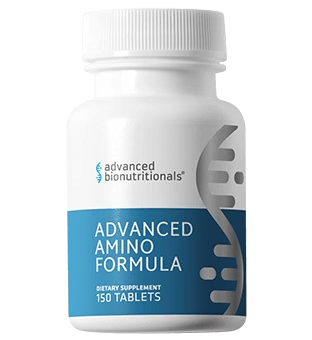
★★★★☆
Advanced Amino Formula reviewAdvanced Amino Formula is a vegan tablet from Advanced Bionutritionals that supplies 5,000 mg of eight essential amino acids per serving to ...
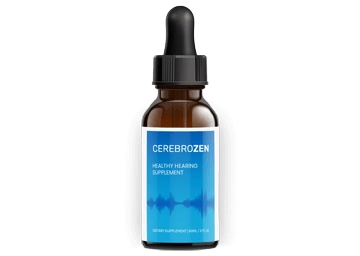
★★★☆☆
CerebroZen reviewCerebroZen is a daily liquid supplement for hearing and brain support with ginkgo, magnesium, NAC, glutathione, CoQ10, alpha-GPC and lion's ...
Reader reviews
No reader reviews yet. If you have tried L-Tryptophan, you can be the first to share how it went.
Reader reviews are personal opinions from visitors. We do not verify purchases, and reviews are not medical advice. We publish positive and negative reviews alike; see our review guidelines.