What is guarana?
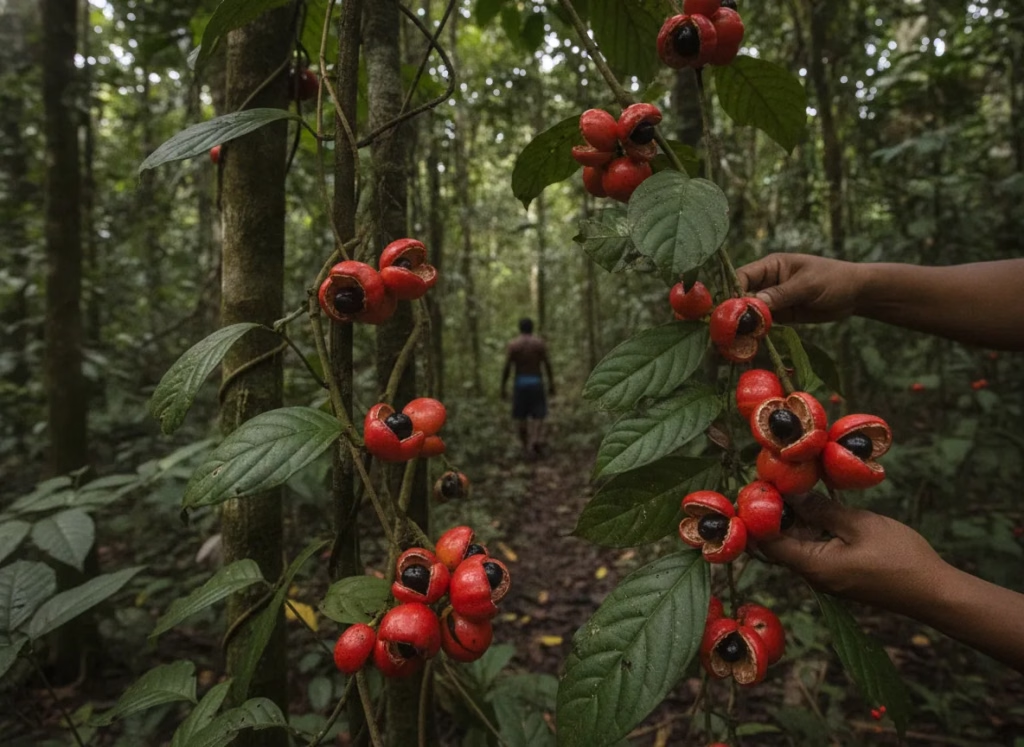
Guarana (Paullinia cupana) is a climbing plant from the Amazon basin whose seeds are naturally rich in caffeine. It is a common ingredient in energy drinks and in weight management and “energy” supplements. The NIH Office of Dietary Supplements notes that many weight-loss supplements contain guarana or other herbs that naturally supply caffeine, and that some labels list only the herb without declaring how much caffeine the product contains.
What the research says
Most of guarana’s effects are attributed to its caffeine. The Office of Dietary Supplements explains that caffeine stimulates the central nervous system, increases energy expenditure and fat oxidation in the short term, and that habitual use leads to tolerance that diminishes these effects. Clinical trials of caffeine for weight loss have been short and have mostly used combination products, so its contribution to long-term weight change is unclear.
Direct evidence for guarana itself is limited. A 2024 double-blind crossover trial in 20 adults compared 500 mg of guarana (containing 130 mg of caffeine), 100 mg of caffeine and a placebo. Neither guarana nor caffeine improved cognitive performance or provided consistent benefits for mood or mental workload in that setting. There is no evidence that guarana supports healthy blood sugar.
How it’s used in supplements
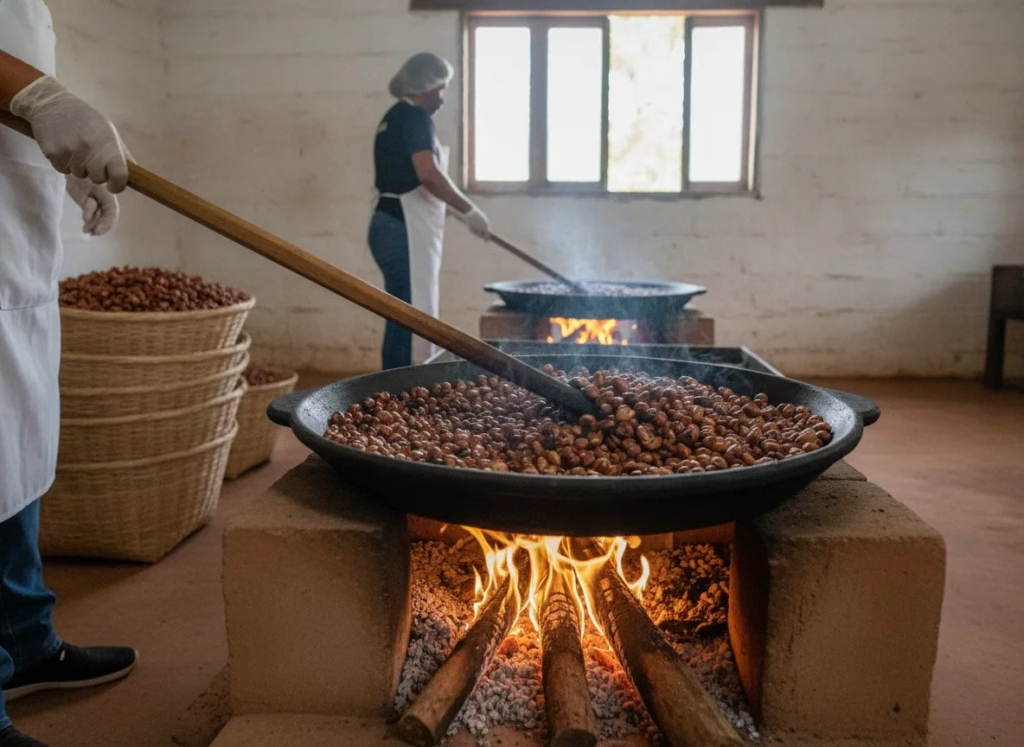
In blood sugar and metabolism blends, guarana is usually marketed as a natural energizer. Its main practical consequence is that it adds caffeine, often in an amount you cannot see on the label. For context, the Office of Dietary Supplements notes that FDA and the European Food Safety Authority consider up to 400 mg of caffeine per day not to pose safety concerns for healthy adults, and an 8-ounce cup of brewed coffee contains about 85 to 100 mg.
Caffeine can cause sleep problems, nervousness, jitteriness and a faster heart rate, and its effects add up across coffee, tea, energy drinks and supplements. People who are sensitive to caffeine, pregnant, breastfeeding, or living with heart rhythm problems, high blood pressure or anxiety should be cautious with guarana-containing products and talk to a doctor. Caffeine can also affect blood sugar readings in some people, so anyone monitoring glucose should keep that in mind.
For readers interested in blood sugar, the key point is that guarana is an energy ingredient, not a glucose ingredient. If you notice a lift after taking a product that contains it, caffeine is the likely reason. That can mask, rather than solve, the afternoon slumps that sometimes follow large, carbohydrate-heavy meals. Adjusting meal composition, sleep and activity is a more reliable way to steady energy across the day.
Safety and cautions
Contains caffeine, often in undisclosed amounts. Can cause insomnia, jitteriness, rapid heartbeat and raised blood pressure, and adds to caffeine from coffee and other sources. Use caution in pregnancy, breastfeeding, heart rhythm disorders, high blood pressure and anxiety. Talk to your doctor before use.
Supplements we reviewed that contain it
★★☆☆☆
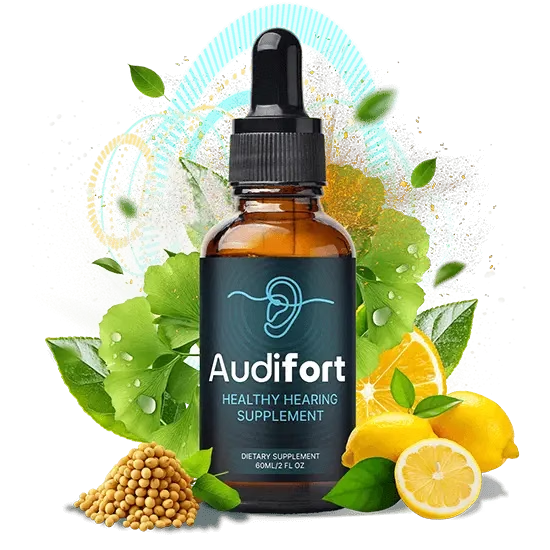
Audifort reviewAudifort is a liquid dropper supplement marketed for hearing and ringing ears. Its 200 mg proprietary blend of herbs and amino acids has no ...

★★★☆☆
Sugar Defender reviewSugar Defender is a liquid blood sugar formula with 23 botanicals and amino acids in a 200 mg blend plus 0.7 mcg of chromium. The label is t...
Reader reviews
No reader reviews yet. If you have tried Guarana, you can be the first to share how it went.
Reader reviews are personal opinions from visitors. We do not verify purchases, and reviews are not medical advice. We publish positive and negative reviews alike; see our review guidelines.
Write a review
Sources
- Dietary Supplements for Weight Loss Fact Sheet for Health Professionals. NIH Office of Dietary Supplements
- Effects of Acute Guarana (Paullinia cupana) Ingestion on Mental Performance and Vagal Modulation Compared to a Low Dose of Caffeine. Nutrients, 2024
- Effect of Guarana (Paullinia cupana) on Cognitive Performance: A Systematic Review and Meta-Analysis. Nutrients, 2023