What is vitamin E?
Vitamin E is a group of fat-soluble compounds, of which alpha-tocopherol is the form the body uses most. It acts as an antioxidant in cell membranes and plays roles in immune function and cell signaling. Good food sources include nuts, seeds, vegetable oils, green leafy vegetables and fortified cereals (ODS vitamin E fact sheet).
The NIH Office of Dietary Supplements (ODS) lists a Recommended Dietary Allowance of 15 mg for adults (19 mg while breastfeeding) and a tolerable upper intake level of 1,000 mg per day for supplemental vitamin E. ODS notes that natural vitamin E (labeled d- or RRR-alpha-tocopherol) is about twice as active as the synthetic form (dl- or all-rac) (ODS).
What the research says
Vitamin E’s antioxidant activity once made it a popular candidate for preventing heart disease and cancer. Clinical trials did not bear this out. According to ODS, vitamin E supplements have not been shown to prevent cardiovascular disease, and the available evidence does not support using them to prevent cancer (ODS).
For men, the most important study is the Selenium and Vitamin E Cancer Prevention Trial (SELECT). It randomized more than 35,000 relatively healthy men to vitamin E (400 IU per day of synthetic alpha-tocopheryl acetate), selenium, both, or placebo. With extended follow-up, men taking vitamin E alone had a statistically significant increase in prostate cancer risk compared with placebo (Klein et al., 2011). ODS summarizes this as evidence that regularly taking large doses of vitamin E may even increase the risk of prostate cancer (ODS). Clinical trials have also linked high-dose vitamin E to a higher risk of hemorrhagic stroke.
There is no clinical evidence that vitamin E improves prostate size, urinary flow or prostate symptoms.
How it’s used in supplements
Vitamin E appears in multivitamins, antioxidant formulas and men’s products. Small amounts near the RDA (for example 13 mg, about 87% of the daily value) are very different from the 400 IU doses used in SELECT and are unlikely to pose the same risk, but they also offer no proven prostate benefit.
If you take several supplements, add up your vitamin E and avoid high-dose products unless a doctor recommends them. ODS notes that vitamin E supplements can interact with anticoagulant and antiplatelet drugs (raising bleeding risk), simvastatin with niacin, and some chemotherapy and radiotherapy treatments (ODS).
The bottom line: get your vitamin E from foods such as nuts, seeds and vegetable oils, and be wary of men’s products that provide high doses. The SELECT results are a clear example of an antioxidant that looked promising in theory but caused harm in a large trial of healthy men. Small amounts near the RDA in a multivitamin or men’s formula are unlikely to cause problems, but there is no reason to seek out extra vitamin E for prostate health.
How much vitamin E per day?
MedlinePlus lists the Recommended Dietary Allowance as 15 mg per day for everyone 14 and older, including during pregnancy, and 19 mg per day while breastfeeding. Children need less: 6 mg at ages 1 to 3, 7 mg at 4 to 8, and 11 mg at 9 to 13 (MedlinePlus).
The highest safe level from supplements for adults is 1,000 mg per day. Because labels use different units, that equals about 1,500 IU of natural vitamin E or 1,100 IU of synthetic vitamin E (MedlinePlus). Many single-ingredient vitamin E capsules contain 400 IU, far more than the RDA. A capsule that size is below the upper limit, but it is the same dose that raised prostate cancer risk in the SELECT trial described above, so more is not better.
| Group | Daily need (RDA) |
|---|---|
| Ages 14 and older | 15 mg |
| Pregnancy | 15 mg |
| Breastfeeding | 19 mg |
| Upper limit, adult supplements | 1,000 mg (1,500 IU natural, 1,100 IU synthetic) |
Food sources of vitamin E vs capsules
MedlinePlus says the best way to get your daily vitamin E is from food, and that eating vitamin E in foods is not risky. Good sources include wheat germ, sunflower, safflower, corn and soybean oils; almonds, peanuts and hazelnuts; sunflower seeds; green leafy vegetables such as spinach and broccoli; and fortified cereals, juices and spreads (MedlinePlus).
The risks discussed on this page come from high-dose supplements, not food. A 2010 BMJ meta-analysis of nine randomized trials with 118,765 people found vitamin E supplements raised the risk of hemorrhagic (bleeding) stroke by 22% while lowering ischemic stroke by 10%, which works out to one extra hemorrhagic stroke for every 1,250 people taking it. The authors cautioned against widespread use (Schurks et al., 2010). If you take a blood thinner or antiplatelet drug, talk to your doctor before taking any vitamin E capsule. Vitamin E is one of many nutrients discussed on our healthy aging page.
Vitamin E for skin: topical vs oral
Vitamin E oil and broken capsules are widely used on scars, but the evidence is weak. In a small double-blind study of 15 people after skin cancer surgery, each scar was split into a half treated with plain ointment and a half treated with ointment plus vitamin E. In 90% of cases vitamin E had no effect or made the scar look worse, and 33% of patients developed contact dermatitis (Baumann and Spencer, 1999).
A 2016 systematic review found only six prospective studies. Three reported better scar appearance, but two of those combined vitamin E with other treatments, and three found no benefit from vitamin E alone. The reviewers concluded there is not enough evidence to justify widespread use, and noted itching, rash and contact dermatitis as side effects (Tanaydin et al., 2016). There is no good evidence that oral capsules improve skin in people who already get enough vitamin E from food. If you try a topical product, test it on a small patch first. For other options, see our hair, skin and nails page.
Frequently asked questions
How much vitamin E should I take per day?
Most adults need 15 mg of vitamin E per day, and 19 mg while breastfeeding, according to MedlinePlus. Most people can reach this through nuts, seeds and vegetable oils. The safe upper limit from supplements is 1,000 mg per day, but high-dose capsules have been linked to bleeding stroke and, in men, prostate cancer, so talk to your doctor before taking more than a multivitamin provides.
What are the benefits of vitamin E?
Vitamin E is an essential antioxidant nutrient that protects cell membranes, supports immune function and helps widen blood vessels. Getting enough from food matters, but large trials have not shown that extra vitamin E from supplements prevents heart disease or cancer in people who are not deficient. In the SELECT trial, 400 IU a day actually raised prostate cancer risk in healthy men.
Are vitamin E capsules safe?
Low-dose vitamin E near the RDA, such as in a multivitamin, is generally considered safe. High-dose capsules (for example 400 IU) carry risks: a meta-analysis of nine trials found a 22% higher risk of hemorrhagic stroke, and they can add to the effect of blood thinners. Ask your doctor before using them, especially if you take anticoagulants or are pregnant.
What is the upper limit for vitamin E and why does bleeding matter?
The adult upper limit for supplemental vitamin E is 1,000 mg per day, which equals about 1,500 IU natural or 1,100 IU synthetic vitamin E. MedlinePlus notes that high-dose supplements might increase the risk of bleeding in the brain. Vitamin E can also interact with anticoagulant and antiplatelet drugs, so people taking them should check with a doctor first.
Is vitamin E good for your skin?
The evidence is weak. In a double-blind study after skin surgery, topical vitamin E did not improve scars in 90% of cases and caused contact dermatitis in a third of patients. A 2016 systematic review found too little evidence to support routine use on scars. Oral capsules have no proven skin benefit for people who already eat enough vitamin E.
What foods are high in vitamin E?
Good food sources of vitamin E include wheat germ, sunflower, safflower, corn and soybean oils, almonds, peanuts, hazelnuts, sunflower seeds, spinach and broccoli, plus fortified cereals and spreads. MedlinePlus says food is the best way to meet your daily need, and eating vitamin E in foods is not considered risky.
Can I take vitamin E during pregnancy?
The RDA during pregnancy is 15 mg per day, the same as for other adults, and food sources are the preferred way to get it. MedlinePlus notes that high levels of vitamin E may increase the risk of birth defects, although this needs more research. Do not take high-dose vitamin E while pregnant unless your doctor recommends it.
Safety and cautions
Avoid high-dose vitamin E (for example 400 IU daily) unless prescribed; in SELECT it increased prostate cancer risk, and high doses are linked to hemorrhagic stroke. Interacts with blood thinners and antiplatelet drugs, and possibly with simvastatin plus niacin and cancer treatments.
Supplements we reviewed that contain it
★★★☆☆
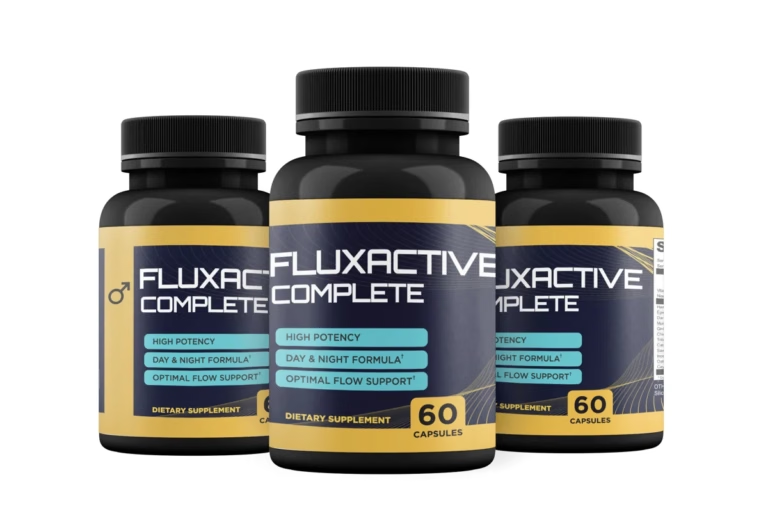
Fluxactive Complete reviewFluxactive Complete is a 14-ingredient capsule with saw palmetto, ginseng, tribulus, epimedium, damiana, ginkgo, hawthorn and B3. All doses ...
★★★☆☆
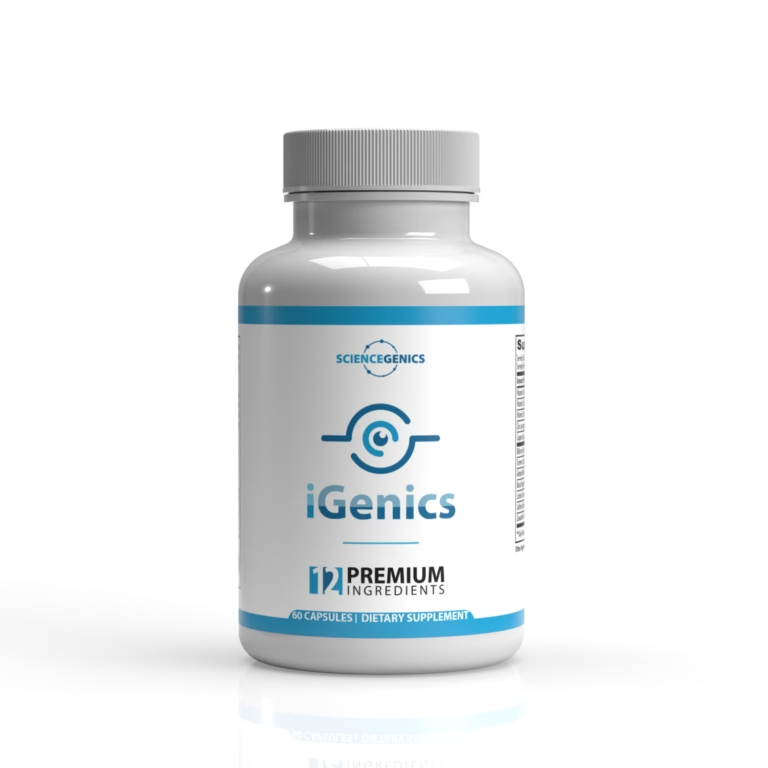
iGenics reviewiGenics is a 2-capsule daily eye supplement with lutein, zeaxanthin, bilberry, saffron, ginkgo, turmeric and five vitamins and minerals, all...
★★★☆☆
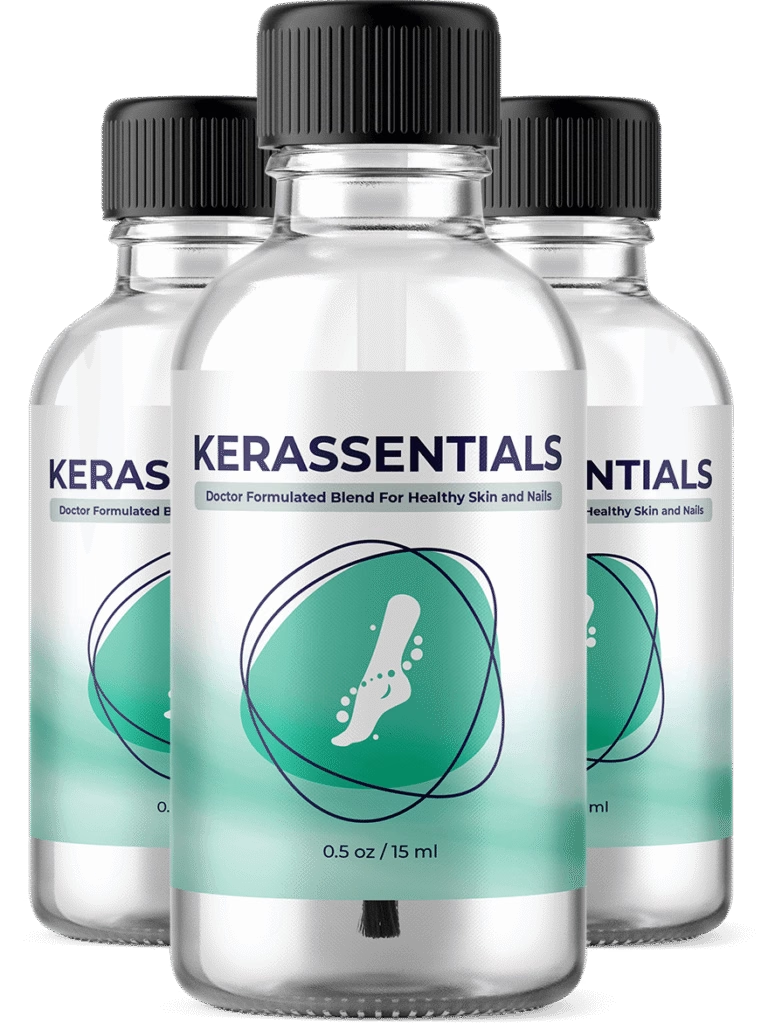
Kerassentials reviewKerassentials is a topical oil for toenails and cuticles that combines 5% undecylenic acid with tea tree, clove, lavender and other oils. It...
Reader reviews
No reader reviews yet. If you have tried Vitamin E, you can be the first to share how it went.
Reader reviews are personal opinions from visitors. We do not verify purchases, and reviews are not medical advice. We publish positive and negative reviews alike; see our review guidelines.
Write a review
Sources
- Vitamin E Fact Sheet for Health Professionals. NIH Office of Dietary Supplements
- Vitamin E and the risk of prostate cancer: the Selenium and Vitamin E Cancer Prevention Trial (SELECT). JAMA, 2011
- Vitamin E. MedlinePlus
- Effects of vitamin E on stroke subtypes: meta-analysis of randomised controlled trials. BMJ, 2010
- The effects of topical vitamin E on the cosmetic appearance of scars. Dermatol Surg, 1999
- The Role of Topical Vitamin E in Scar Management: A Systematic Review. Aesthet Surg J, 2016
- An Open Study to Evaluate Effectiveness and Tolerability of a Nail Oil Composed of Vitamin E and Essential Oils in Mild to Moderate Distal Subungual Onychomycosis. Skin Appendage Disord, 2020