What is niacin?
Niacin, also called vitamin B3, is a water-soluble B vitamin. The body converts it into NAD and NADP, coenzymes involved in hundreds of reactions that turn food into energy, repair DNA and support cell signaling. The two main supplement forms are nicotinic acid and nicotinamide (niacinamide). Niacin is found in poultry, beef, fish, nuts, legumes and enriched grains, and the body can also make it from the amino acid tryptophan.
The NIH Office of Dietary Supplements (ODS) sets the RDA for adult men at 16 mg niacin equivalents (NE) per day and the tolerable upper intake level for adults at 35 mg per day, a limit that applies to niacin from supplements and fortified foods (ODS niacin fact sheet).

What the research says
Niacin deficiency (pellagra) is rare in the United States. Very high doses of nicotinic acid, more than 100 times the RDA, have been used as a prescription treatment for abnormal blood lipids because they raise HDL cholesterol and lower LDL cholesterol and triglycerides. Even so, ODS reports that experts disagree on its value for preventing cardiovascular disease, given its side effects and safety concerns (ODS).
Marketing for some men’s supplements says niacin supports cholesterol, joints and brain function. Those claims do not translate into any demonstrated prostate benefit, and we found no clinical trials of niacin for prostate size or urinary symptoms.
The more practical issue is dose. ODS explains that 30 to 50 mg or more of nicotinic acid typically causes flushing: redness, burning, tingling and itching of the face, arms and chest, sometimes with headache, rash, dizziness or a drop in blood pressure. Taking it with food or building up the dose can reduce flushing (ODS). At pharmacologic doses of 1,000 mg or more, niacin can cause liver problems, raise blood sugar and worsen gout.
How it’s used in supplements
Niacin appears in B-complex and multivitamin products, often at 16 to 20 mg. A product supplying 75 mg per day (469% of the daily value) is roughly twice the upper limit; if the form is nicotinic acid, flushing is likely in some users, while nicotinamide does not cause flushing. Labels that say only “niacin” usually do not specify which.
ODS notes that large doses of nicotinic acid can raise blood glucose, so people taking diabetes medications should monitor their blood sugar, and that tuberculosis drugs such as isoniazid affect niacin status (ODS). Anyone with liver disease, gout, diabetes or a stomach ulcer, or who takes cholesterol-lowering drugs, should talk to a doctor before taking niacin above the upper limit.
Safety and cautions
Supplemental intake above 35 mg per day can cause flushing, itching, headache and dizziness, especially with nicotinic acid. High doses may affect the liver, raise blood sugar and worsen gout. People with diabetes, liver disease, gout or ulcers, or who take statins, should consult a doctor.
Supplements we reviewed that contain it
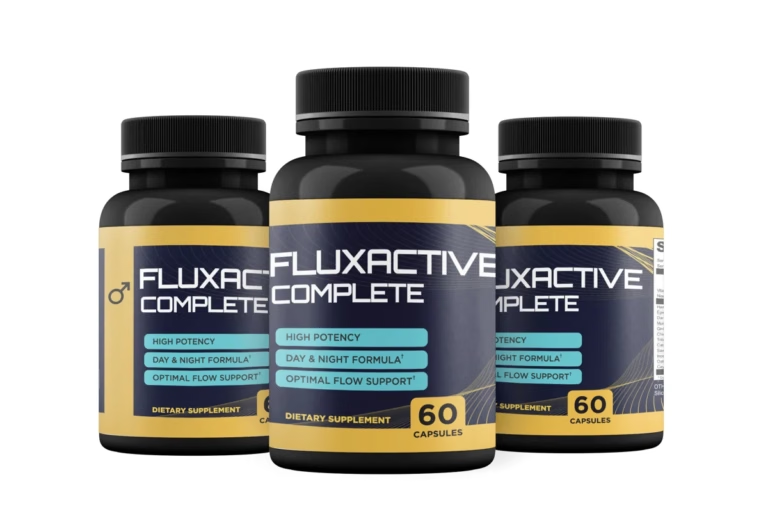
★★★☆☆
Fluxactive Complete reviewFluxactive Complete is a 14-ingredient capsule with saw palmetto, ginseng, tribulus, epimedium, damiana, ginkgo, hawthorn and B3. All doses ...
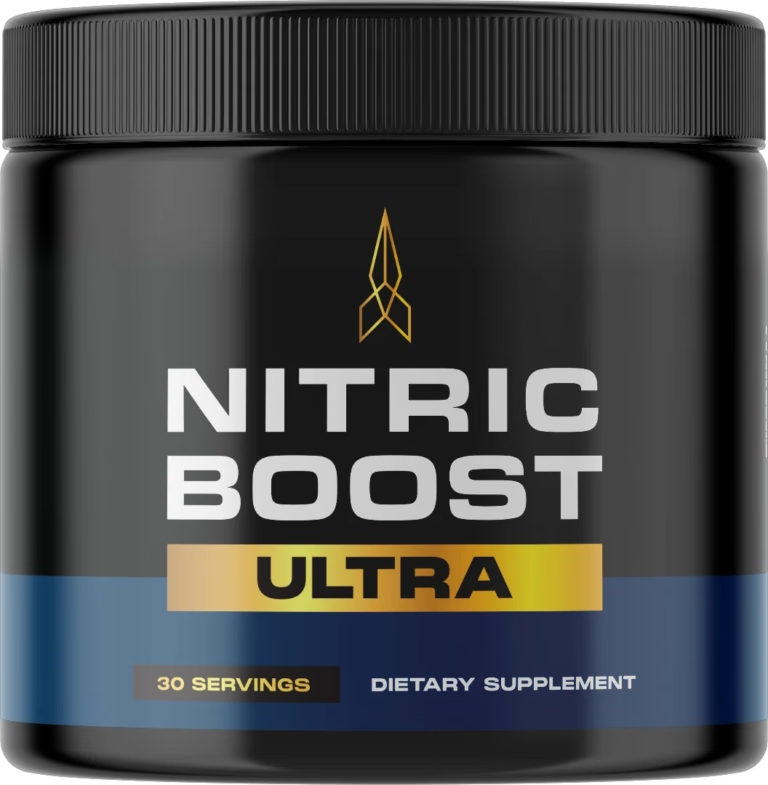
★★☆☆☆
Nitric Boost reviewNitric Boost is an eight-ingredient powder sold for male sexual performance and blood flow. Its key amino acids have some evidence, but no d...
Reader reviews
No reader reviews yet. If you have tried Niacin (vitamin B3), you can be the first to share how it went.
Reader reviews are personal opinions from visitors. We do not verify purchases, and reviews are not medical advice. We publish positive and negative reviews alike; see our review guidelines.
Write a review
Sources
- Niacin Fact Sheet for Health Professionals. NIH Office of Dietary Supplements