What is selenium?
Selenium is an essential trace mineral, which means the body needs small amounts from food to function properly. It is built into a group of proteins called selenoproteins, including antioxidant enzymes such as glutathione peroxidase, which help protect cells from oxidative damage. Selenium also plays a role in thyroid hormone metabolism and immune function. Good food sources include Brazil nuts, seafood, organ meats, eggs, poultry and grains grown in selenium-rich soil.
According to MedlinePlus, the Recommended Dietary Allowance for adults and teens 14 and older is 55 mcg a day, rising to 60 mcg during pregnancy and 70 mcg while breastfeeding. Low selenium status can occur with severe digestive disorders such as Crohn disease that affect absorption.
What the research says
Because selenium supports antioxidant defenses, researchers have tested whether supplements could protect aging brain and body tissues. The largest study for brain health is PREADViSE, an offshoot of the SELECT cancer trial. It enrolled 7,540 men aged 60 and older who were randomized to selenium, vitamin E, both or placebo, and followed many of them for years afterward. Neither selenium nor vitamin E, alone or together, lowered the rate of dementia compared with placebo. This suggests that for people who already get enough selenium, extra supplements do not add a clear benefit for memory.
For hearing, research on selenium is mostly limited to animal and laboratory studies of the inner ear, and there are no strong human trials showing that selenium supplements change hearing. Its value in a formula is mainly to help cover the daily requirement of an essential nutrient.
That distinction matters. Getting enough selenium supports normal antioxidant and thyroid function, but many people already get selenium from foods such as seafood, eggs, poultry and grains, so a supplement is most useful for people whose diets are low in selenium-rich foods.
How it’s used in supplements
Selenium appears in multivitamins and antioxidant formulas as selenomethionine, sodium selenite or amino acid chelates, usually at 25 to 200 mcg. More is not better: MedlinePlus notes that too much selenium can cause selenosis, with hair loss, nail problems, nausea, irritability, fatigue and mild nerve damage. Because Brazil nuts and many supplements are rich in selenium, check your total intake from all products and stay well within the levels your doctor recommends. People with thyroid conditions, those having cancer treatment and anyone who is pregnant should talk to a doctor before adding selenium supplements.
Safety and cautions
Too much can cause selenosis (hair loss, nail problems, nausea, fatigue, nerve symptoms). Count selenium from all supplements and Brazil nuts. Talk to your doctor if you have a thyroid condition, are having cancer treatment or are pregnant.
Supplements we reviewed that contain it
★★★☆☆
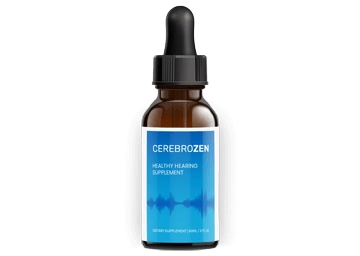
CerebroZen reviewCerebroZen is a daily liquid supplement for hearing and brain support with ginkgo, magnesium, NAC, glutathione, CoQ10, alpha-GPC and lion's ...
Reader reviews
No reader reviews yet. If you have tried Selenium, you can be the first to share how it went.
Reader reviews are personal opinions from visitors. We do not verify purchases, and reviews are not medical advice. We publish positive and negative reviews alike; see our review guidelines.