What is tribulus?
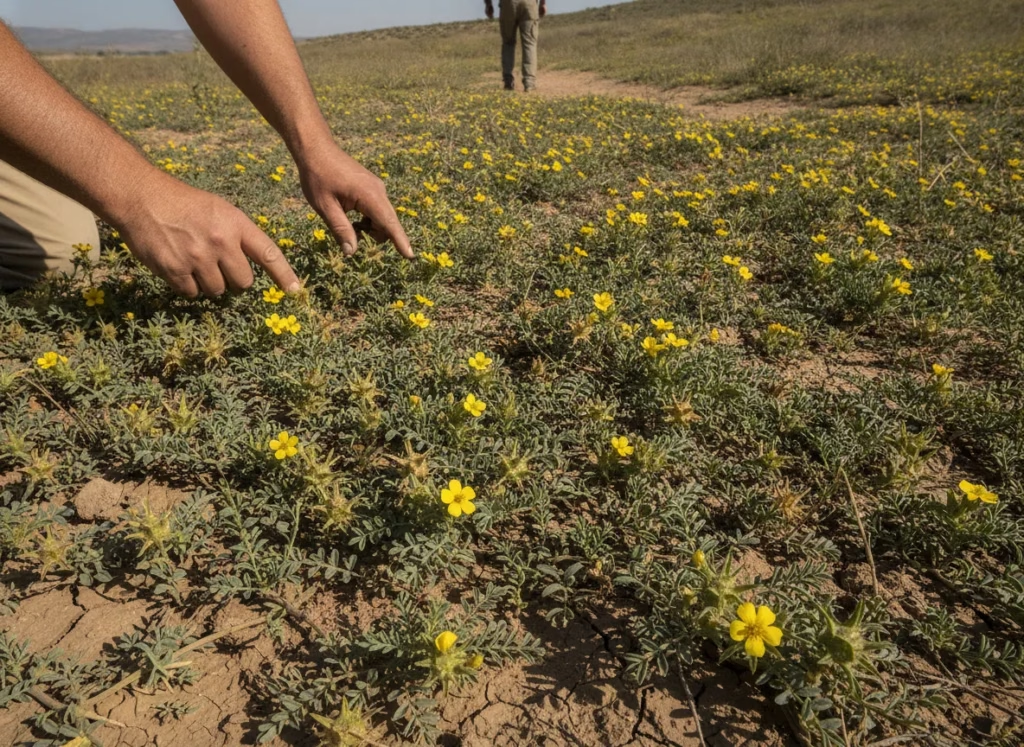
Tribulus terrestris, also called puncture vine, is a low-growing plant found in warm regions around the world. Its fruit and leaves have been used in traditional Indian and Chinese medicine, and in Eastern Europe extracts have been sold for male sexual health. In the supplement market it became famous as a “natural testosterone booster” for athletes and older men.
What the research says
The testosterone claim has not held up well. A 2023 systematic review of testosterone booster supplements found that most fail to increase total testosterone, and tribulus was not among the ingredients judged effective (Morgado et al., 2024).
Evidence for sexual function is mixed but somewhat more encouraging. In a 12-week randomized, double-blind trial, 180 men with mild to moderate erectile dysfunction took a standardized extract (Tribestan, six 250 mg tablets daily) or placebo. Erectile function scores improved significantly more with tribulus than with placebo, and the product was well tolerated (Kamenov et al., 2017). A meta-analysis of herbal supplements for erectile dysfunction described results for tribulus as mixed (Borrelli et al., 2018).
We found no clinical evidence that tribulus helps the prostate, and claims that it “lowers the risk of prostate cancer” are not supported by human research. Because it is marketed for raising testosterone, men with prostate concerns should discuss it with their doctor.
How it’s used in supplements
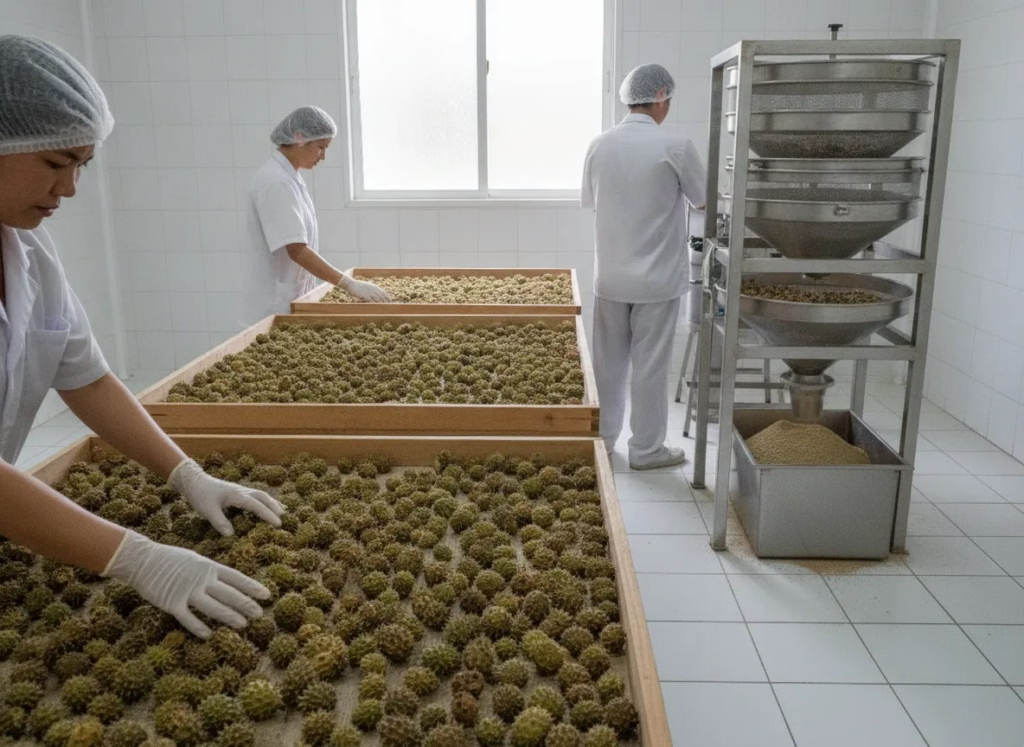
Tribulus is widely used in men’s sexual health and sports products, usually as an extract standardized to saponins (furostanol saponins or protodioscin). The effective trial used a much larger daily amount (about 1,500 mg of a specific extract) than the 120 mg found in many blends.
Tribulus is generally well tolerated in short-term trials, with occasional stomach upset or sleep problems. Rare case reports have described kidney or liver injury with high intakes. It may lower blood sugar and blood pressure, so people taking medicines for diabetes or hypertension should be cautious. Avoid it during pregnancy and breastfeeding and if you have a hormone-sensitive condition, including prostate cancer, unless your doctor approves.
The bottom line: tribulus is not a reliable testosterone booster, despite its reputation. A specific standardized extract at high doses showed benefit for mild erectile dysfunction in one well-run trial, which is worth noting but not the same as evidence for the low, unstandardized amounts common in blends. It has no demonstrated prostate benefit.
When comparing products, check whether the extract is standardized to saponins and how much is provided per day. Amounts around 100 to 250 mg of unstandardized fruit powder are far below what was used in the positive trial.
Safety and cautions
Usually well tolerated short term; may cause stomach upset. Rare reports of kidney or liver injury. May affect blood sugar and blood pressure. Avoid in pregnancy, breastfeeding and hormone-sensitive conditions including prostate cancer unless a doctor approves.
Supplements we reviewed that contain it
★★★☆☆
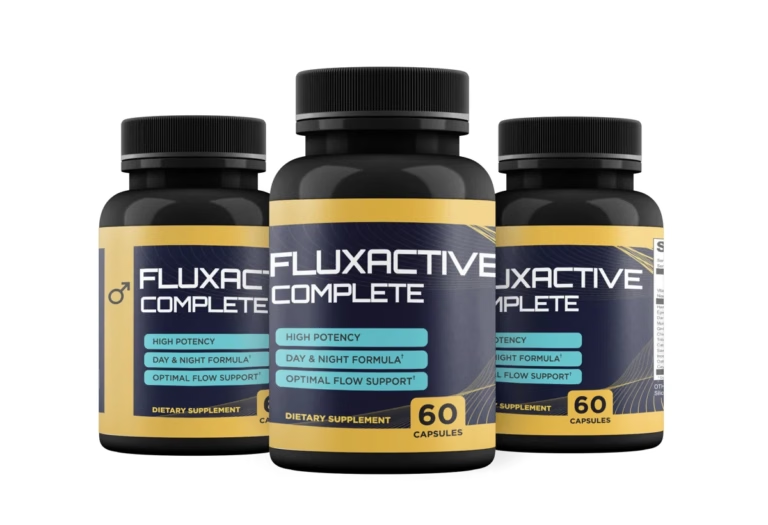
Fluxactive Complete reviewFluxactive Complete is a 14-ingredient capsule with saw palmetto, ginseng, tribulus, epimedium, damiana, ginkgo, hawthorn and B3. All doses ...
Reader reviews
No reader reviews yet. If you have tried Tribulus, you can be the first to share how it went.
Reader reviews are personal opinions from visitors. We do not verify purchases, and reviews are not medical advice. We publish positive and negative reviews alike; see our review guidelines.
Write a review
Sources
- Do "testosterone boosters" really increase serum total testosterone? A systematic review. Int J Impot Res, 2024
- Evaluation of the efficacy and safety of Tribulus terrestris in male sexual dysfunction-A prospective, randomized, double-blind, placebo-controlled clinical trial. Maturitas, 2017
- Herbal Dietary Supplements for Erectile Dysfunction: A Systematic Review and Meta-Analysis. Drugs, 2018