What is citrus pectin?
Pectin is a soluble fiber found in the cell walls of fruits and vegetables. Citrus peels, especially from lemons, limes and oranges, are one of the richest commercial sources, along with apples. Pectin forms a gel when mixed with sugar and acid, which is why it is used to thicken jams and jellies. As a dietary fiber, it passes through the small intestine largely undigested and is fermented by bacteria in the colon.
In supplements, there are two main forms. Regular citrus pectin is a large, long chain fiber. Modified citrus pectin (MCP) has been treated with heat and changes in pH to break it into smaller pieces, which some researchers believe may be absorbed into the bloodstream more easily. The two forms are often confused on labels and in marketing, but most of the human research on prostate related outcomes involves the modified form.

What the research says
As a soluble fiber, pectin has been studied for blood cholesterol. A 1999 meta-analysis of 67 controlled trials in the American Journal of Clinical Nutrition found that soluble fibers, including pectin, oat bran and psyllium, produced small but significant reductions in total and LDL cholesterol at intakes of 2 to 10 grams a day. The effect of pectin was similar to that of the other fibers, and the authors described it as small within the practical range of intake. Older studies also looked at how dietary citrus pectin affects the way the body handles bile acids and other steroids in the gut.
Modified citrus pectin has been studied in men with prostate cancer whose PSA began to rise after initial treatment. A 2003 pilot study of 13 men reported that PSA doubling time lengthened in 7 of 10 men after 12 months of MCP. A 2021 phase II study in Israel reported that most participants had a stable PSA or a longer doubling time after six months. These studies had no placebo group, were small, and the 2021 study disclosed that one author developed the sponsoring supplement. A slower rise in PSA is not the same as a demonstrated clinical benefit, and these small studies do not establish any effect on the course of prostate cancer. They also say nothing about urinary symptoms or prostate enlargement.
We found no trials showing that citrus pectin supports normal prostate function or urinary flow in men without cancer.
How it’s used in supplements
Citrus pectin appears in fiber supplements, detox and heavy metal products, and some prostate or men’s health formulas. The 2021 MCP study used 4.8 grams three times a day, about 14 grams daily, while cholesterol effects of soluble fiber appear in the range of a few grams or more. Small amounts inside a multi ingredient blend are unlikely to match those intakes.
Pectin is generally well tolerated, though larger amounts can cause gas, bloating or loose stools. Because fiber can bind other substances in the gut, it is sensible to take medicines a couple of hours apart from fiber supplements unless your doctor or pharmacist advises otherwise. People with prostate cancer should not use MCP or any supplement in place of medical care and should discuss any supplement with their oncologist.
Safety and cautions
Can cause gas, bloating or loose stools. May reduce absorption of some medicines; take them a few hours apart. People with prostate cancer should not use it in place of medical care and should discuss it with their oncologist.
Supplements we reviewed that contain it
★★★☆☆
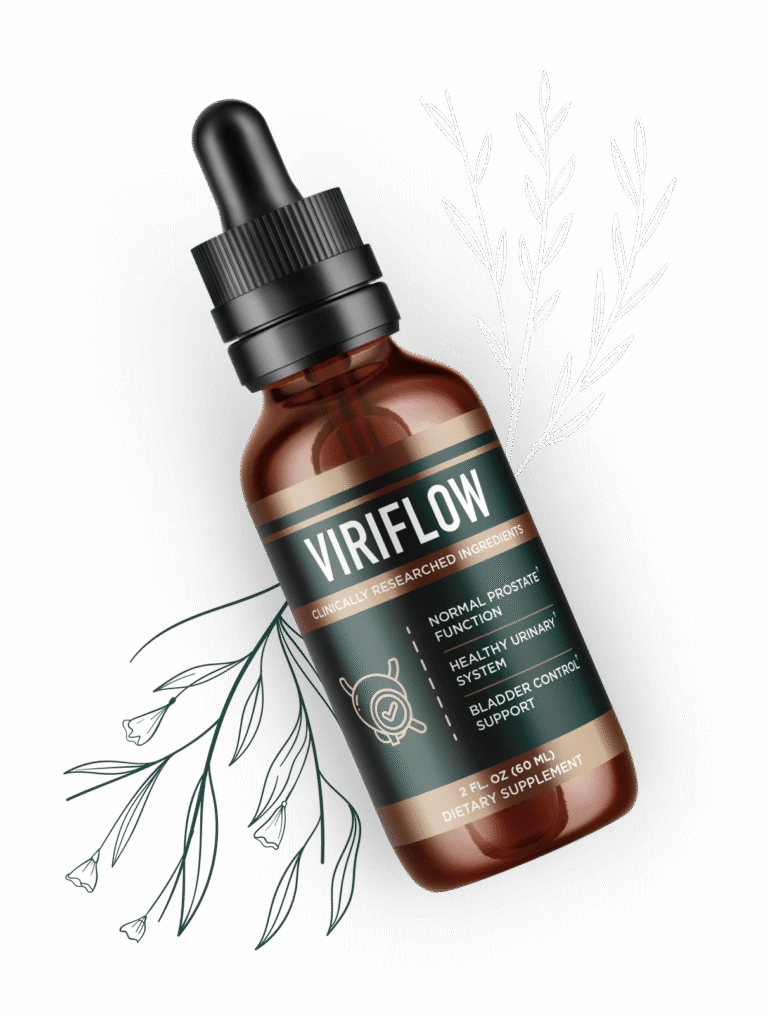
ViriFlow reviewViriFlow is a liquid prostate drop with iodine and a 700 mg blend of saw palmetto, pygeum, seaweeds and other botanicals. The label is shown...
Reader reviews
No reader reviews yet. If you have tried Citrus pectin (1:5 extract), you can be the first to share how it went.
Reader reviews are personal opinions from visitors. We do not verify purchases, and reviews are not medical advice. We publish positive and negative reviews alike; see our review guidelines.
Write a review
Sources
- Cholesterol-lowering effects of dietary fiber: a meta-analysis. Am J Clin Nutr, 1999
- The effect of dietary citrus pectin on the excretion of human fecal neutral and acid steroids and the activity of 7alpha-dehydroxylase and beta-glucuronidase. Am J Clin Nutr, 1981
- Modified citrus pectin (MCP) increases the prostate-specific antigen doubling time in men with prostate cancer: a phase II pilot study. Prostate Cancer Prostatic Dis, 2003
- Modified Citrus Pectin Treatment in Non-Metastatic Biochemically Relapsed Prostate Cancer: Results of a Prospective Phase II Study. Nutrients, 2021