What is xylitol?
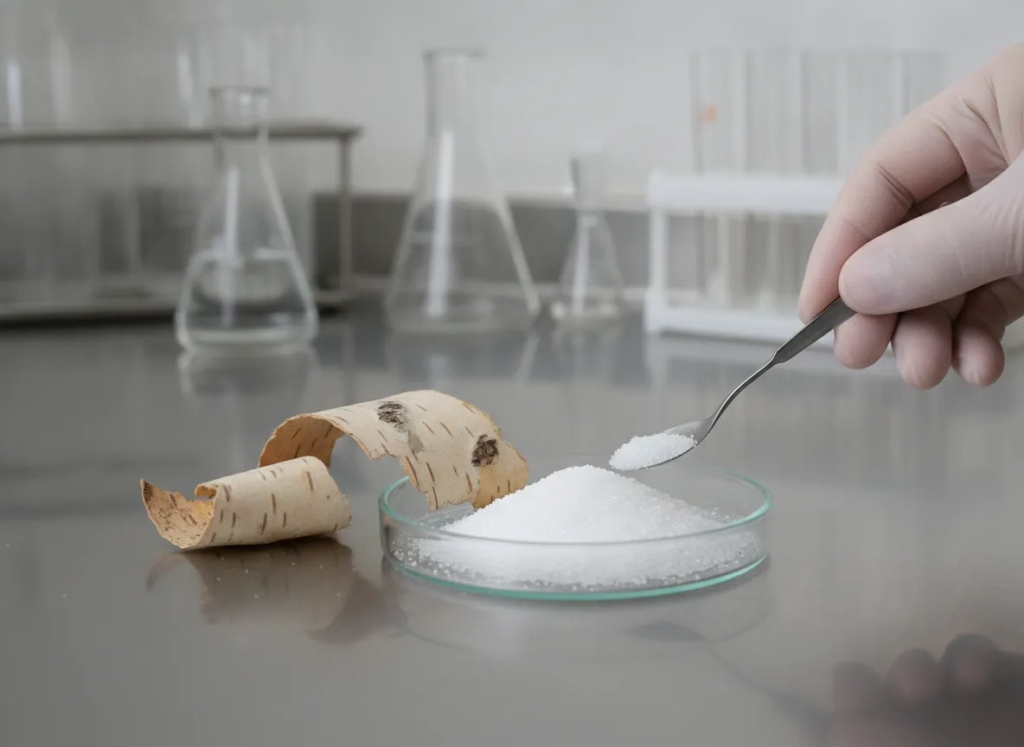
Xylitol is a sugar alcohol with a sweetness similar to table sugar but fewer calories. It occurs naturally in small amounts in fruits and vegetables and is produced commercially from birch wood or corn cobs. Unlike sugar, xylitol is not fermented into acid by Streptococcus mutans and other cavity-associated bacteria, which is why it is used in sugar-free gum, mints, lozenges and some toothpastes.
What the research says
The best summary of the evidence is a Cochrane systematic review of 10 studies with 5,903 participants. Its main finding was low-quality evidence that, over 2.5 to 3 years, a fluoride toothpaste containing 10% xylitol may reduce cavities by about 13% compared with fluoride toothpaste alone in children. For other products, including lozenges, syrups and tablets, the evidence was insufficient or very low quality, and the results were compatible with both a benefit and no benefit. Most of the included studies had a high risk of bias, and there was no evidence for adults.
A 2024 systematic review of nine clinical trials reached a similar conclusion: the preventive effect of xylitol against cavities could not be confirmed, partly because doses, durations and study groups varied so much.
In practice, any benefit of xylitol likely comes from replacing sugar and stimulating saliva, especially when it is chewed as gum several times a day. It works alongside, not instead of, fluoride toothpaste and good hygiene.
How it’s used in supplements
Xylitol is common in chewable supplements as a sweetener. In those products the amount is usually not disclosed and is likely much lower than the gram-level daily amounts used in caries research. That does not make it useless as a sweetener, since it avoids feeding cavity bacteria, but it should not be counted as an active dental treatment.
The main side effects are digestive. Large amounts can cause gas, bloating and loose stools, although a tolerability study in young children found that relatively large daily doses of xylitol solution caused no more gas or diarrhea than placebo. People with irritable bowel symptoms may be more sensitive. Most importantly for pet owners, xylitol is extremely toxic to dogs, even in small amounts, so keep xylitol gum, mints and supplements out of their reach. For people, the simplest evidence-based way to use xylitol is as sugar-free gum after meals, alongside fluoride toothpaste. Xylitol does not remove plaque on its own, so brushing and flossing still come first.
Safety and cautions
Can cause gas, bloating or loose stools in large amounts. Extremely toxic to dogs; store out of reach of pets. Not a replacement for fluoride toothpaste.
Supplements we reviewed that contain it
★★★☆☆
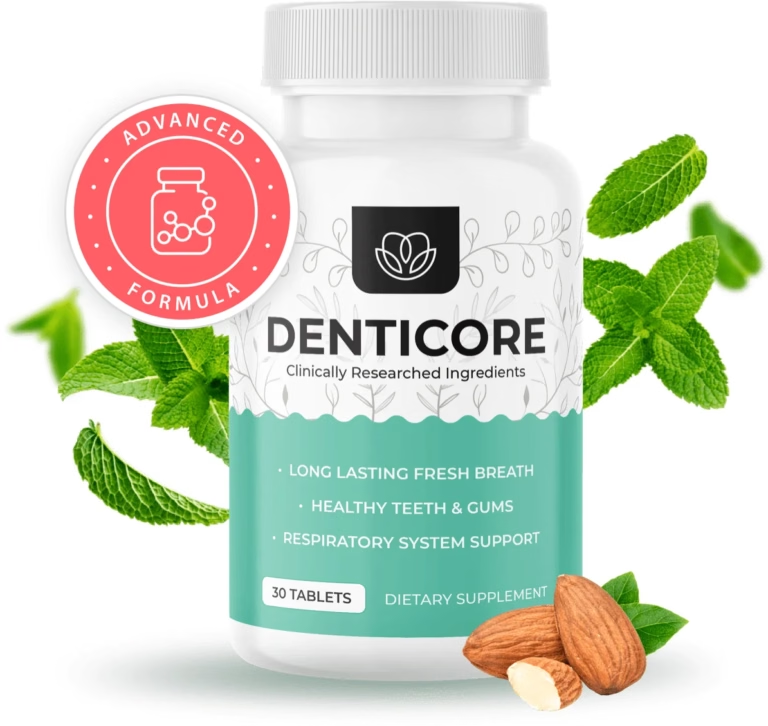
DentiCore reviewDentiCore is a daily chewable tablet with small doses of calcium, iodine, copper and chromium plus a 120 mg blend of chlorella, chlorophylli...
★★★☆☆
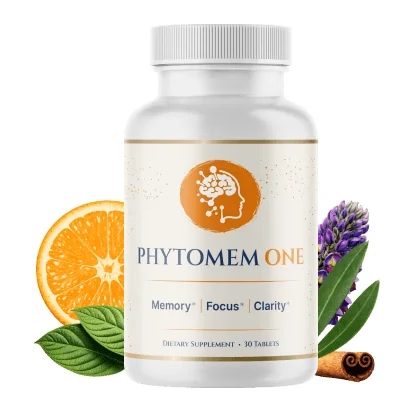
Phytomem One reviewPhytomem One is a 10-ingredient tablet marketed for memory and clarity. Saffron is its only ingredient with relevant human evidence, and no ...
★★★☆☆
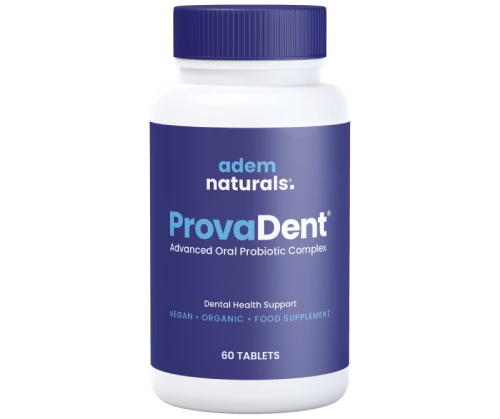
ProvaDent reviewProvaDent is a chewable oral probiotic tablet with xylitol, cranberry and purple carrot. The ingredient concept is reasonable, but no amount...
Reader reviews
No reader reviews yet. If you have tried Xylitol, you can be the first to share how it went.
Reader reviews are personal opinions from visitors. We do not verify purchases, and reviews are not medical advice. We publish positive and negative reviews alike; see our review guidelines.
Write a review
Sources
- Xylitol-containing products for preventing dental caries in children and adults. Cochrane Database Syst Rev, 2015
- Is xylitol effective in the prevention of dental caries? A systematic review. J Clin Exp Dent, 2024
- Tolerability of oral xylitol solution in young children: implications for otitis media prophylaxis. Int J Pediatr Otorhinolaryngol, 2007
- Checking your browser – reCAPTCHA. PubMed