What is fucoxanthin?
Fucoxanthin is a carotenoid, the same broad family as beta carotene and astaxanthin. It gives brown seaweeds such as wakame and kombu their olive-brown color. In supplements it is extracted from these seaweeds and sold on its own, usually for weight management, or added to multi-ingredient formulas. Labels sometimes describe it as “Japanese sea kelp,” which tells you the source but not the amount of fucoxanthin actually present.

What the research says
Most fucoxanthin research is in cells and animals. Human studies are few and small.
Metabolic markers
In a randomized, double-blind trial of 28 adults with metabolic syndrome, 12 mg of fucoxanthin a day for 12 weeks was followed by small decreases in body weight, waist size, blood pressure and triglycerides, and by changes in insulin secretion (López-Ramos et al., 2023). The study was small and the changes were modest, so it needs replication. A 2025 meta-analysis of 11 trials of seaweed and seaweed extracts, including fucoxanthin, found small improvements in body mass index, body fat and cholesterol after at least eight weeks, but no significant effect on blood sugar (Łagowska et al., 2025). Those results pool several different seaweed products, so they cannot be read as proof for fucoxanthin alone.
Brain and cognition
Supplement marketing sometimes describes fucoxanthin as supporting “neural communication” or cognitive flexibility. We found no controlled human trials testing fucoxanthin on memory, attention or mental performance. Those claims rest on laboratory and animal work, which often does not translate to people. Researchers also describe fucoxanthin as having low bioavailability, meaning relatively little of it reaches the bloodstream intact, which is one more reason laboratory results may not predict what happens after a capsule is swallowed.

How it’s used in supplements
Fucoxanthin appears mainly in weight management products and, less often, in brain or metabolic blends. Doses in human research are in the low milligram range, and a seaweed extract can contain very different amounts of fucoxanthin depending on how it is made. A label that lists “kelp extract” without a fucoxanthin amount does not let you compare it with the research.
Short-term use in trials has not raised major safety concerns, but long-term data are limited. Because seaweed products can contain iodine, people with thyroid conditions should check with their doctor. Anyone taking diabetes or blood pressure medication should also ask first, since the small trial above saw changes in both. Pregnant or breastfeeding women should avoid concentrated seaweed extracts unless a clinician approves them.
Safety and cautions
Long-term safety data are limited. Seaweed-derived products may contain iodine, so people with thyroid conditions should check with a doctor. Ask first if you take diabetes or blood pressure medication, and avoid concentrated extracts in pregnancy or while breastfeeding.
Supplements we reviewed that contain it
★★★☆☆
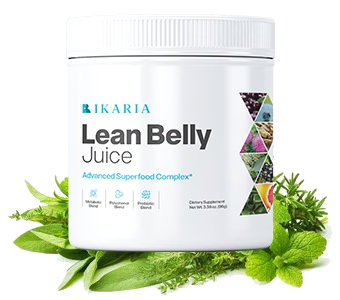
Ikaria Lean Belly Juice reviewIkaria Lean Belly Juice is a powdered drink mix with green tea extract, fucoxanthin, resveratrol, fruit powders and probiotics in proprietar...
★★★☆☆
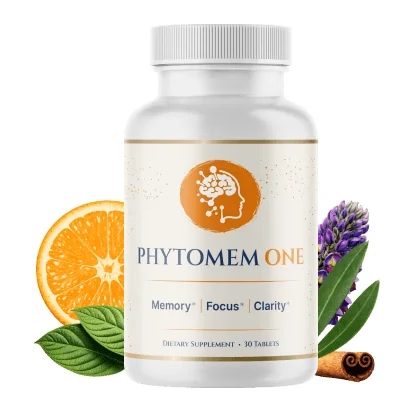
Phytomem One reviewPhytomem One is a 10-ingredient tablet marketed for memory and clarity. Saffron is its only ingredient with relevant human evidence, and no ...
Reader reviews
No reader reviews yet. If you have tried Fucoxanthin, you can be the first to share how it went.
Reader reviews are personal opinions from visitors. We do not verify purchases, and reviews are not medical advice. We publish positive and negative reviews alike; see our review guidelines.
Write a review
Sources
- Checking your browser – reCAPTCHA. PubMed
- Checking your browser – reCAPTCHA. PubMed
- Dietary Supplements for Weight Loss Fact Sheet for Health Professionals. NIH Office of Dietary Supplements