What is purple carrot?
Purple carrot is a variety of the common carrot, Daucus carota, with deep purple or nearly black roots. Purple carrots are thought to be close to the earliest cultivated carrots, before orange varieties became dominant in Europe. Their color comes from anthocyanins, the same family of water soluble pigments that give blueberries, black currants and red cabbage their hue. Purple carrot anthocyanins are mostly cyanidin based, and a large share of them are acylated, meaning they carry extra chemical groups that make them more stable to heat and light.
That stability is the main reason purple carrot extract is widely used by the food industry as a natural colorant for drinks, candies and other products. In supplements, purple carrot powder may be added for its pigment, its antioxidant compounds, or both.

What the research says
Most of the research on purple carrot is laboratory based. A 2016 study in Food Chemistry exposed human colon cells to purple carrot extract that had been put through a simulated digestion process. The digested extract still showed antioxidant activity, but it was less potent than the undigested extract. This kind of cell study is useful for understanding chemistry, but it cannot show what happens in the human body.
Human data are limited and focus mainly on absorption. A study published in the Journal of Agricultural and Food Chemistry gave volunteers purple carrot juice and measured anthocyanins in their blood and urine. Only a very small fraction of the anthocyanins consumed was recovered, and the acylated forms were absorbed even less than the non acylated ones. Low absorption is typical of anthocyanins in general, and it is one reason researchers are cautious about translating lab results into health claims.
We did not find any human trial that tested purple carrot powder for oral health, gum health, breath or tooth enamel. Claims that purple carrot supports the mouth specifically are not supported by direct evidence at this time. More broadly, diets rich in colorful vegetables are associated with good health, but that does not mean a small amount of powder in a supplement produces a measurable effect.

How it’s used in supplements
Purple carrot powder and extract appear in greens powders, gummies, chewable tablets and some oral care products. In many cases, it adds natural color. Supplements rarely state how much anthocyanin a serving provides, which makes it hard to compare products or link them to research. When a label lists purple carrot without an amount, assume it is present in a small quantity.
As a food, purple carrot is considered safe for nearly everyone. Carrot allergy is uncommon but possible, particularly in people with birch pollen allergy who experience oral allergy syndrome. Concentrated extracts have not been studied for long term safety, so people who are pregnant, breastfeeding or taking medicines should mention any supplement they use to their doctor. Eating whole purple carrots is an easy way to get the same pigments along with fiber and other nutrients.
Safety and cautions
Safe as a food for most people. Carrot allergy is possible, especially with birch pollen allergy. Concentrated extracts lack long term safety data; tell your doctor about any supplement if you are pregnant, breastfeeding or take medicines.
Supplements we reviewed that contain it
★★★☆☆
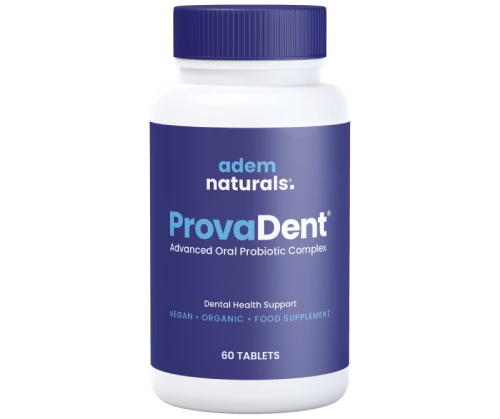
ProvaDent reviewProvaDent is a chewable oral probiotic tablet with xylitol, cranberry and purple carrot. The ingredient concept is reasonable, but no amount...
Reader reviews
No reader reviews yet. If you have tried Purple carrot powder, you can be the first to share how it went.
Reader reviews are personal opinions from visitors. We do not verify purchases, and reviews are not medical advice. We publish positive and negative reviews alike; see our review guidelines.