What is vitamin K2?
Vitamin K is a group of fat-soluble vitamins. Vitamin K1 (phylloquinone) comes mainly from green leafy vegetables, while vitamin K2 (menaquinones) is found in fermented foods such as natto and some cheeses, in smaller amounts in meat and eggs, and is also made by gut bacteria. Menaquinone-7 (MK-7) is the long-lasting form of K2 most often used in supplements. MenaQ7 is a branded MK-7 ingredient that has been used in several clinical studies.
The body needs vitamin K to activate proteins involved in blood clotting and in handling calcium, including matrix Gla protein in blood vessel walls and osteocalcin in bone. According to the NIH Office of Dietary Supplements, the Adequate Intake for adults is 120 mcg a day for men and 90 mcg a day for women, counting all forms of vitamin K.
What the research says
The best known vascular study of MK-7 is a three-year, double-blind, placebo-controlled trial in 244 healthy postmenopausal women in the Netherlands. Women taking 180 mcg of MenaQ7 a day had improvements in measures of arterial stiffness, including carotid-femoral pulse wave velocity, compared with placebo, and inactive matrix Gla protein dropped by about half. The benefit on several local stiffness measures was seen mainly in women who started with stiffer arteries. Markers of inflammation and endothelial function did not change.
That is an encouraging result in a well-run trial, but it is a single study in one group of healthy women, and it measured vessel stiffness rather than heart events. Observational studies link higher K2 intake to better cardiovascular outcomes, but they cannot prove cause and effect. Vitamin K2 has also been studied for bone health, with mixed results. Overall, the evidence for vitamin K2 supplements and artery health is limited but promising.
How it’s used in supplements
Vitamin K2 appears in bone, heart and multivitamin formulas, often paired with vitamin D3 and sometimes with magnesium or calcium. Typical supplement amounts range from about 45 to 200 mcg of MK-7 a day; the main arterial stiffness trial used 180 mcg. At usual supplement amounts, vitamin K2 is well tolerated and no upper intake limit has been set for vitamin K.
The key caution is warfarin (Coumadin). Vitamin K directly counteracts warfarin, and the NIH Office of Dietary Supplements advises people taking it to keep their vitamin K intake about the same every day. Anyone on warfarin or another anticoagulant should talk to their doctor before starting or stopping a product that contains vitamin K2. Some antibiotics and cholesterol-binding drugs can also affect vitamin K status.
Safety and cautions
Interacts with warfarin (Coumadin); people on warfarin should keep vitamin K intake consistent and talk to their doctor before use. Some antibiotics and cholesterol-binding drugs can affect vitamin K status.
Supplements we reviewed that contain it
★★★☆☆
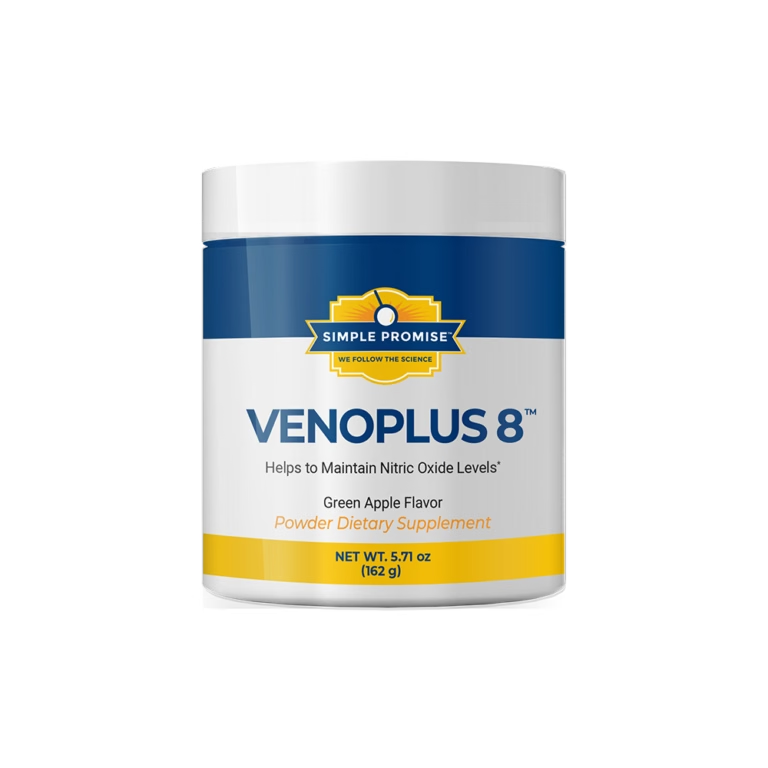
VenoPlus 8 reviewVenoPlus 8 is a green apple flavored circulation powder from Simple Promise with RedNite beet extract, Pomella pomegranate, hesperidin, grap...
Reader reviews
No reader reviews yet. If you have tried Vitamin K2 (MenaQ7), you can be the first to share how it went.
Reader reviews are personal opinions from visitors. We do not verify purchases, and reviews are not medical advice. We publish positive and negative reviews alike; see our review guidelines.
Write a review
Sources
- Menaquinone-7 supplementation improves arterial stiffness in healthy postmenopausal women. A double-blind randomised clinical trial. Thromb Haemost, 2015
- Vitamin K Fact Sheet for Consumers. NIH Office of Dietary Supplements