What is mucuna pruriens?
Mucuna pruriens, often called velvet bean or cowhage, is a tropical climbing legume. Its seed pods are covered in hairs that can make skin itch intensely, which is where the name cowhage comes from. The seeds have a long history in Ayurvedic medicine, where they were used for nervous system complaints, low libido and general vitality.
What makes mucuna unusual among herbal ingredients is that its seeds naturally contain levodopa (L-dopa), the amino acid the body converts into dopamine. Levodopa is also the main prescription treatment for Parkinson’s disease. That means mucuna is not a mild botanical in the usual sense. Depending on the extract and the dose, it can deliver a pharmacologically meaningful amount of a drug-like compound.
What the research says
Almost all serious human research on mucuna is in Parkinson’s disease. In a small double-blind crossover trial published in 2004, eight people with Parkinson’s received single doses of standard levodopa/carbidopa or 15 g and 30 g of a mucuna seed preparation. The 30 g mucuna dose produced a faster onset and longer “on” time than the standard drug, with higher levodopa blood levels. A 12-month randomized trial in sub-Saharan Africa, published in 2026, tested mucuna powder as a lower-cost levodopa source for untreated patients where standard medication is hard to access.
These studies show that mucuna can act like a levodopa medication, at doses measured in grams and under medical supervision. They do not show that small amounts in a multi-ingredient supplement have meaningful effects in healthy people, and they say nothing about hearing, tinnitus or memory.
Supplement marketing also links mucuna to mood, testosterone and male fertility, largely based on small studies and animal work. Some lab and animal research suggests antioxidant and neuroprotective effects, but that is a long way from evidence in people. Overall, outside of Parkinson’s disease, we rate the human evidence for mucuna as preliminary.
How it’s used in supplements
Mucuna appears in mood, “dopamine”, libido and nootropic blends, usually as a seed powder or an extract standardized to a percentage of L-dopa (for example 15% or 40%). The label standardization matters, because two products listing the same milligram amount can deliver very different amounts of levodopa.
When mucuna is hidden inside a proprietary blend with no amount listed, you cannot know how much L-dopa you are getting. For most people that may be a trivial amount, but for anyone taking medications that affect dopamine, it is an important unknown.
Possible side effects include nausea, stomach upset, headache, insomnia and, at higher doses, the kinds of movement and blood pressure effects seen with levodopa. People who take levodopa or carbidopa, MAO inhibitors, antipsychotics, some antidepressants, or blood pressure and diabetes medicines should not add mucuna without talking to their doctor. It is not recommended during pregnancy or breastfeeding, and people with a history of melanoma, psychosis or heart rhythm problems should be especially careful because levodopa has precautions in those groups.
Safety and cautions
Contains L-dopa. Avoid with levodopa/carbidopa, MAO inhibitors, antipsychotics and some antidepressants unless your doctor approves. May cause nausea, headache or insomnia. Not for pregnancy or breastfeeding. Use caution with heart rhythm problems, psychosis or a history of melanoma.
Supplements we reviewed that contain it
★★☆☆☆
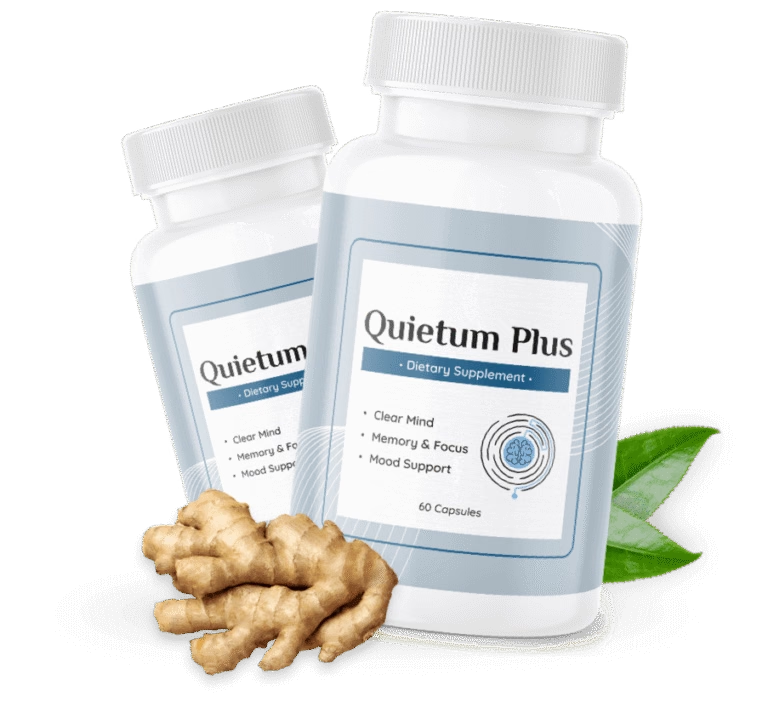
Quietum Plus reviewQuietum Plus is a 60-capsule herbal blend marketed for ear ringing, though its ingredients are mostly mood and energy herbs with no demonstr...
Reader reviews
No reader reviews yet. If you have tried Mucuna Pruriens, you can be the first to share how it went.
Reader reviews are personal opinions from visitors. We do not verify purchases, and reviews are not medical advice. We publish positive and negative reviews alike; see our review guidelines.
Write a review
Sources
- Mucuna pruriens in Parkinson's disease: a double blind clinical and pharmacological study. J Neurol Neurosurg Psychiatry, 2004
- Mucuna pruriens in untreated Parkinson's disease in sub-Saharan Africa: A 12-month, multicenter, randomized, controlled trial. J Parkinsons Dis, 2026