What is Lactobacillus rhamnosus?
Lactobacillus rhamnosus (recently reclassified by microbiologists as Lacticaseibacillus rhamnosus) is a lactic acid bacterium found in some fermented dairy products and in the human gut. It is one of the most widely used probiotic species in the world. Its best-known strain, L. rhamnosus GG, has been studied for more than 30 years, mainly for digestive outcomes in children and adults.
As with all probiotics, the effects of L. rhamnosus depend on the specific strain. Two products that both list “Lactobacillus rhamnosus” can contain different strains with different research behind them, which is why strain codes on a label matter.
What the research says
The largest body of evidence for L. rhamnosus GG concerns digestive health, including studies in acute diarrhea in children and diarrhea associated with antibiotic use. Reviews of this research describe benefits in some settings, with results varying by population, dose and study quality.
For body weight, the key study is a 24-week randomized, placebo-controlled trial of the strain L. rhamnosus CGMCC1.3724 in adults with obesity. Participants took two capsules a day containing the strain plus the prebiotic fibers oligofructose and inulin, first during 12 weeks of moderate calorie restriction and then during 12 weeks of weight maintenance. Across the whole group, weight loss did not differ significantly from placebo. In women only, the probiotic group lost more weight and fat mass, and continued to lose during the maintenance phase. Men saw no difference. Because the benefit appeared in a subgroup, it needs to be confirmed in further trials.
More broadly, a 2018 meta-analysis of 15 randomized trials of various probiotics in people with overweight or obesity found an average extra weight loss of about 0.6 kg compared with placebo, which the authors described as a small effect. The NIH Office of Dietary Supplements calls probiotic effects on body weight and fat inconsistent.
Overall, the evidence for L. rhamnosus as a weight management aid is limited, with one notable strain-specific trial and a broader literature showing small average effects.
How it’s used in supplements
L. rhamnosus appears in single-strain probiotics, multi-strain blends and fermented foods. Doses in studies typically range from about 1 billion to 10 billion colony-forming units (CFU) per day or more, and the weight trial above used roughly 300 million CFU per day of its specific strain combined with prebiotic fiber. Products should ideally list the strain designation and the CFU count at expiration, not only at manufacture.
Probiotics are generally considered safe for healthy people. Common side effects are mild gas and bloating. According to NCCIH, people with weakened immune systems, critically ill patients and premature infants face a risk of serious infection from probiotics, and rare cases of bloodstream infection with Lactobacillus species have been reported in vulnerable patients. Anyone in these groups should use probiotics only under medical supervision.
Safety and cautions
Generally safe for healthy adults; may cause gas or bloating. People with weakened immune systems, central lines or serious illness should avoid probiotics unless a doctor approves, because of a small risk of infection.
Supplements we reviewed that contain it
★★★☆☆
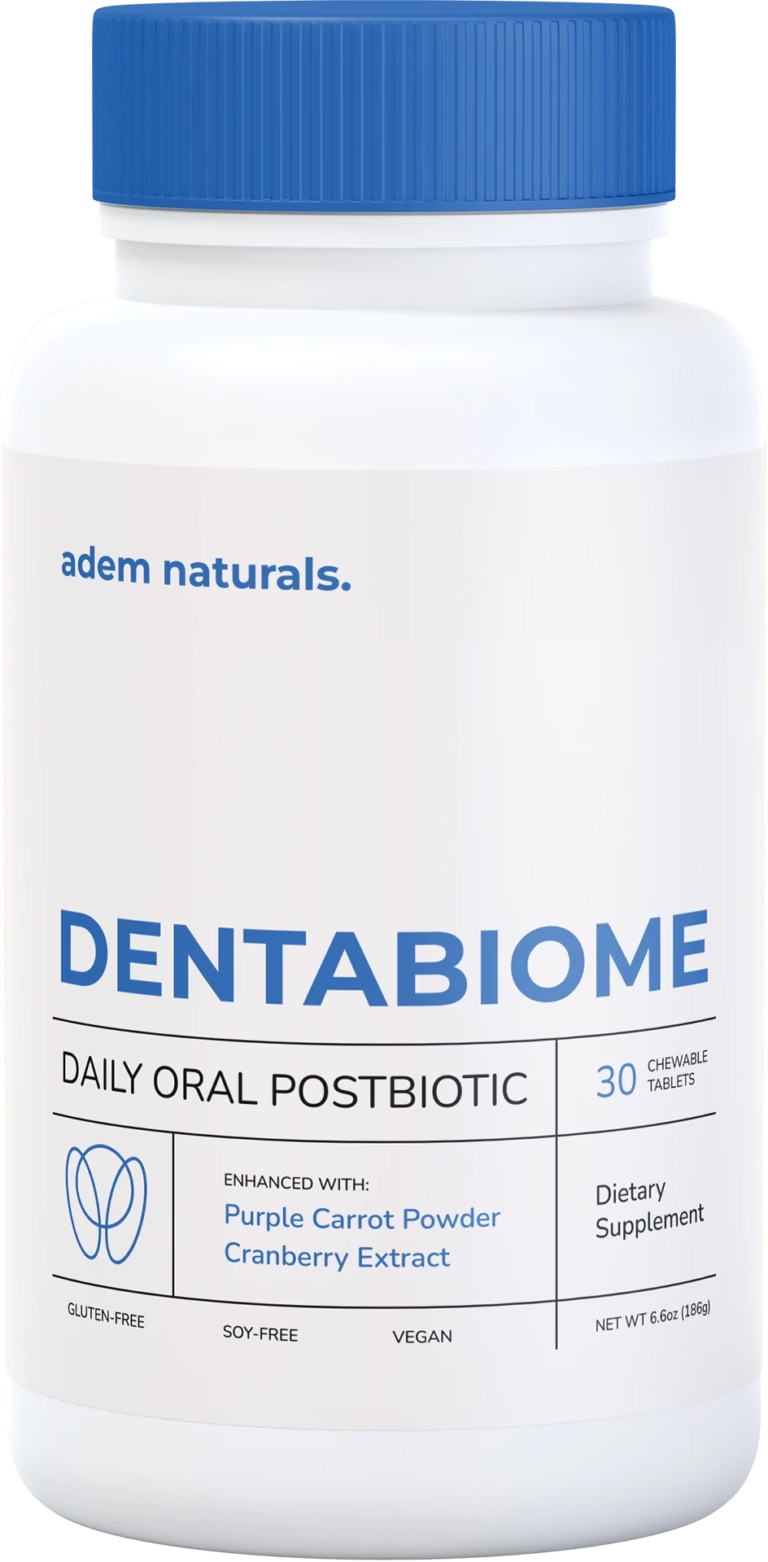
DentaBiome reviewDentaBiome is a once-daily chewable from Adem Naturals combining inactivated Lactobacillus strains, xylitol, cranberry and purple carrot. Th...
★★★☆☆
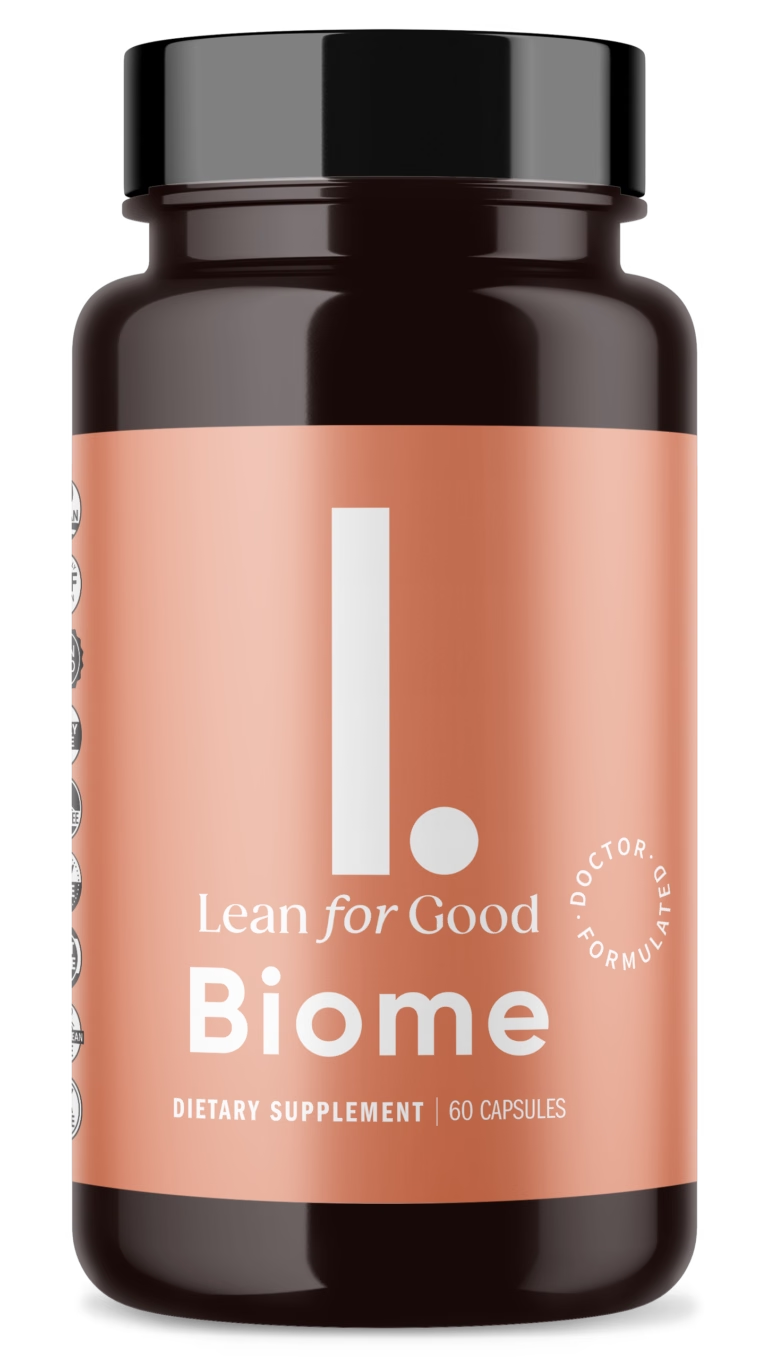
LeanBiome reviewLeanBiome (now labeled Biome) is a capsule with nine probiotic strains, inulin, decaffeinated green tea phytosome and a Sphaeranthus and man...
Reader reviews
No reader reviews yet. If you have tried Lactobacillus rhamnosus, you can be the first to share how it went.
Reader reviews are personal opinions from visitors. We do not verify purchases, and reviews are not medical advice. We publish positive and negative reviews alike; see our review guidelines.
Write a review
Sources
- Effect of Lactobacillus rhamnosus CGMCC1.3724 supplementation on weight loss and maintenance in obese men and women. Br J Nutr, 2014
- Effects of probiotics on body weight, body mass index, fat mass and fat percentage in subjects with overweight or obesity: a systematic review and meta-analysis of randomized controlled trials. Obes Rev, 2018
- Thirty Years of Lactobacillus rhamnosus GG: A Review. J Clin Gastroenterol, 2019
- Lactobacillus Bacteremia and Probiotics: A Review. Microorganisms, 2023
- Probiotics: Usefulness and Safety. NCCIH
- Dietary Supplements for Weight Loss Fact Sheet for Health Professionals. NIH Office of Dietary Supplements
- Effect of long-term consumption of a probiotic bacterium, Lactobacillus rhamnosus GG, in milk on dental caries and caries risk in children. Caries Res, 2001
- Postbiotics and Dental Caries: A Systematic Review. Clin Exp Dent Res, 2025