What is L-tyrosine?
L-tyrosine is an amino acid, one of the building blocks of protein. The body can make it from another amino acid, phenylalanine, so it is not usually considered essential in the diet. It is found in protein-rich foods such as dairy, meat, fish, eggs, soy, beans and nuts.
Tyrosine is the starting material for several important molecules: the neurotransmitters dopamine, norepinephrine and epinephrine, thyroid hormones and the pigment melanin. That role is the main reason it is sold as a supplement for focus, mood and stress resilience.
What the research says
A 2015 review in the Journal of Psychiatric Research looked at cognitive and behavioral studies of tyrosine supplementation. The authors concluded that tyrosine seems to help cognitive performance mainly in short-term, stressful or highly demanding situations (such as cold exposure, sleep loss or multitasking), when dopamine and norepinephrine may be temporarily depleted. They found little support for using it to treat clinical conditions such as depression and little evidence that it improves physical exercise performance.
Later work supports that more nuanced picture. In a 2020 double-blind, placebo-controlled study, a single 2 g dose of L-tyrosine affected one specific working-memory process in healthy young adults, and the effect depended on each person’s baseline. In other words, tyrosine does not act as a general brain booster for everyone.
We found no human research linking tyrosine supplements to hearing or tinnitus. Overall, we rate the evidence as limited: there is a plausible mechanism and some positive short-term studies, mostly using doses of 2 g or more, but results are inconsistent and specific to demanding situations.
How it’s used in supplements
L-tyrosine appears in nootropic, “focus”, pre-workout, thyroid-support and mood formulas. Studies of acute stress have typically used about 100 to 150 mg per kilogram of body weight, or around 2 g as a single dose, which is much more than many blended products contain. N-acetyl-L-tyrosine (NALT) is a more soluble form often used in drinks, though it may convert to tyrosine less efficiently.
Tyrosine is generally well tolerated at common supplement doses. Some people report nausea, headache, heartburn or feeling jittery. Because it feeds into thyroid hormone and catecholamine production, people with hyperthyroidism or Graves’ disease, and those taking thyroid medication, MAO inhibitors or levodopa, should talk to their doctor before using it. People with the genetic conditions phenylketonuria or tyrosinemia need medical guidance on tyrosine intake. Safety in pregnancy and breastfeeding at supplement doses has not been established.
Safety and cautions
Generally well tolerated; may cause nausea, headache or jitteriness. Talk to a doctor if you have hyperthyroidism or take thyroid medication, MAO inhibitors or levodopa. People with phenylketonuria or tyrosinemia need medical guidance. Safety in pregnancy is not established.
Supplements we reviewed that contain it
★★☆☆☆
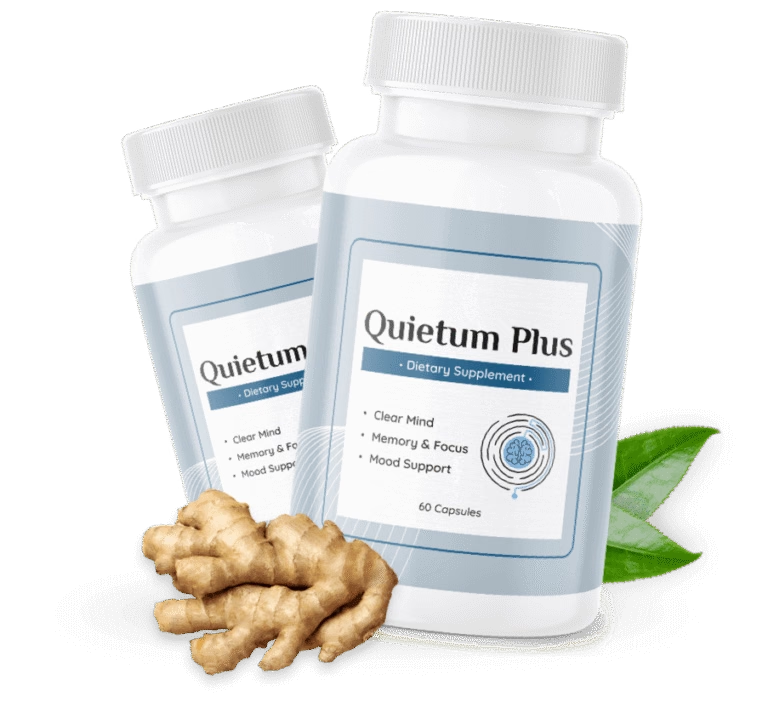
Quietum Plus reviewQuietum Plus is a 60-capsule herbal blend marketed for ear ringing, though its ingredients are mostly mood and energy herbs with no demonstr...
Reader reviews
No reader reviews yet. If you have tried L-Tyrosine, you can be the first to share how it went.
Reader reviews are personal opinions from visitors. We do not verify purchases, and reviews are not medical advice. We publish positive and negative reviews alike; see our review guidelines.
Write a review
Sources
- Effect of tyrosine supplementation on clinical and healthy populations under stress or cognitive demands–A review. J Psychiatr Res, 2015
- Baseline-dependent effect of dopamine's precursor L-tyrosine on working memory gating but not updating. Cogn Affect Behav Neurosci, 2020