 Lycopene
 is the red carotenoid in tomatoes. A systematic review could neither support nor refute it for enlarged prostate or prostate cancer, and a 20...
Read the ingredient guide
Ingredient type
Compounds that neutralize free radicals in lab studies, from vitamins to plant pigments like astaxanthin and resveratrol. Benefits in people are often smaller than lab results suggest.
Lycopene
Lycopene is the red carotenoid in tomatoes. A systematic review could neither support nor refute it for enlarged prostate or prostate cancer, and a 20...
 Lutein
 is a yellow carotenoid that concentrates in the macula. Supplements reliably raise macular pigment, and lutein is part of the AREDS2 formula st...
 Zeaxanthin
 is a carotenoid that, with lutein, forms the macular pigment at the center of the retina. It is part of the AREDS2 formula for people with ...
 Fucoxanthin
 is an orange pigment from brown seaweed. Small human studies have looked at body weight and metabolic markers, but there is no meaningful ...
 Glutathione
 is the body's main cellular antioxidant. Oral supplements can raise body stores at 250 to 1,000 mg a day, and a small pilot study in fatty...
 Alpha-lipoic acid
 is an antioxidant made in small amounts by the body and studied mainly for diabetic nerve pain. It appears safe in trials, but evide...
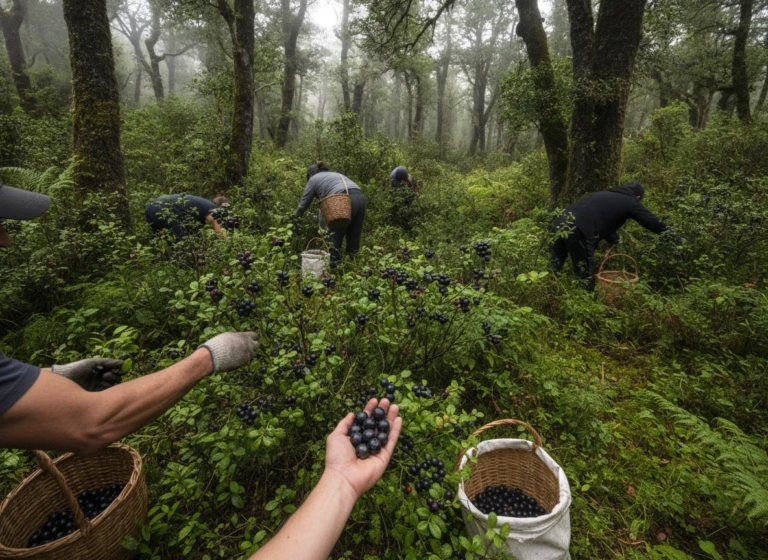 Maqui berry
 is a dark purple Chilean fruit rich in anthocyanins. Small human trials suggest effects on oxidative stress markers and after-meal blood s...
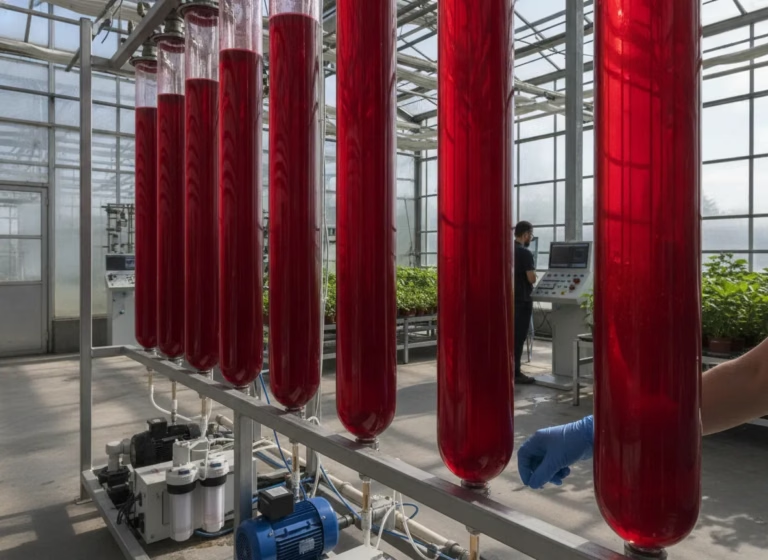 Haematococcus (astaxanthin)
Haematococcus is a red microalga and the main natural source of astaxanthin, a carotenoid antioxidant. Trials show mild effects on oxidative stress ma...
 Green tea extract
Green tea catechins and caffeine may slightly affect body weight, but a Cochrane review found the effect too small to be clinically important. Concent...