What is dong quai?
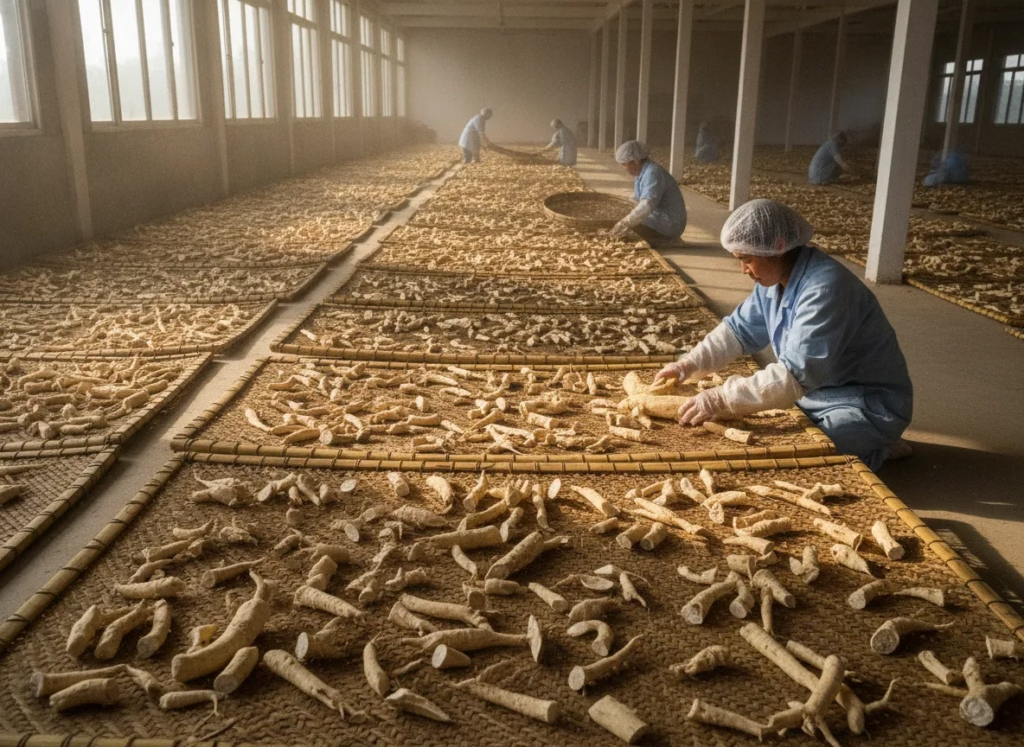
Dong quai, also called dang gui or “female ginseng,” is the root of Angelica sinensis, a plant in the carrot and celery family that grows in China, Korea and Japan. In traditional Chinese medicine it is used mostly in formulas for menstrual problems, menopause and “blood” tonics, usually combined with other herbs rather than alone. The root contains volatile oils, ferulic acid, polysaccharides and natural coumarin compounds.

What the research says
Menopausal symptoms
The best-known controlled trial randomized 71 postmenopausal women to dong quai or placebo for 24 weeks. There were no significant differences in endometrial thickness, vaginal cell maturation, hot flash counts or a menopausal symptom index. The authors concluded that, used alone, dong quai did not produce estrogen-like effects and was no more helpful than placebo for symptoms (Hirata et al., 1997).
Circulation and men’s health
Dong quai is promoted as a circulatory tonic, and lab studies have looked at its effects on blood vessels and platelets. We found no clinical trials showing that dong quai improves erectile function, testosterone or blood flow in men. Its inclusion in male performance formulas is based on tradition rather than evidence.
Warfarin interaction
A published case described a 46-year-old woman with atrial fibrillation, stable on warfarin, whose prothrombin time and INR more than doubled after four weeks of taking dong quai. Values returned to normal a month after she stopped the herb. The authors noted that dong quai contains coumarin derivatives and constituents with antithrombotic effects (Page and Lawrence, 1999). This is one case, but the potential for bleeding is taken seriously in herb-drug interaction references.
Why it appears in men’s formulas
Dong quai’s traditional role as a “blood tonic” is sometimes translated in modern marketing into claims about circulation and blood flow. That translation is a leap: the traditional concept does not map neatly onto measurable outcomes such as blood vessel function, and no trial has tested dong quai for erectile function.
Other safety concerns
The same report mentions that some dong quai constituents have phototoxic properties, meaning they may make skin more sensitive to sunlight. Because of possible hormonal and uterine effects in traditional use, it is generally avoided during pregnancy.
How it’s used in supplements
Dong quai is sold as dried root, capsules, tinctures and teas, and appears in women’s hormone formulas as well as some men’s circulation and performance blends. Doses vary widely, and many blends do not disclose the amount. Do not combine it with warfarin or other blood thinners or antiplatelet drugs without medical supervision, and stop it before scheduled surgery. Avoid it if you are pregnant or breastfeeding, have a bleeding disorder, or have a hormone-sensitive condition, unless your doctor approves.
Safety and cautions
May increase the effect of warfarin and raise bleeding risk; avoid with blood thinners and before surgery. Possible sun sensitivity. Avoid in pregnancy and breastfeeding and with hormone-sensitive conditions unless a doctor approves.
Supplements we reviewed that contain it
★★☆☆☆
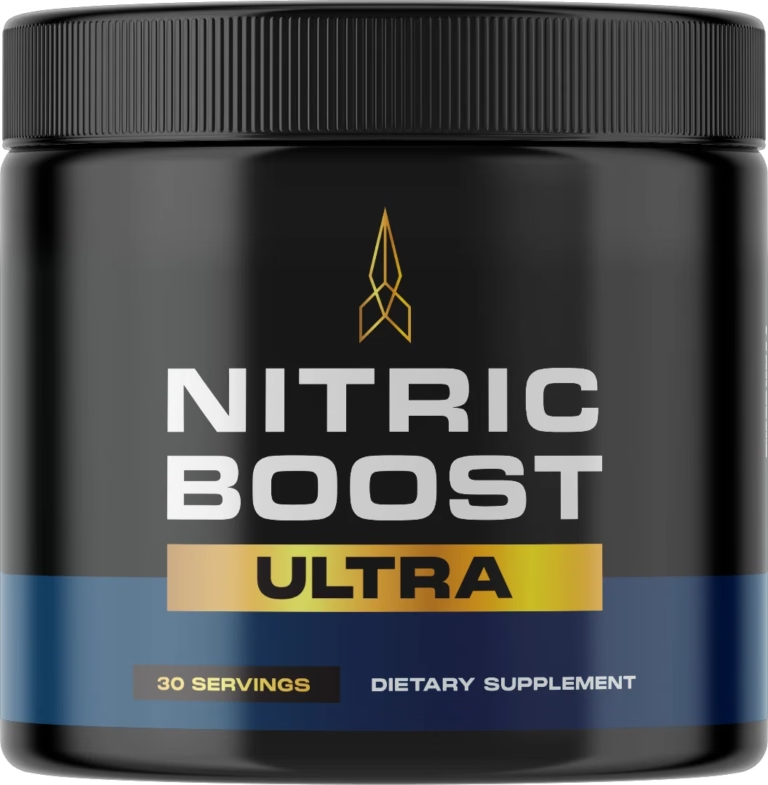
Nitric Boost reviewNitric Boost is an eight-ingredient powder sold for male sexual performance and blood flow. Its key amino acids have some evidence, but no d...
★★☆☆☆
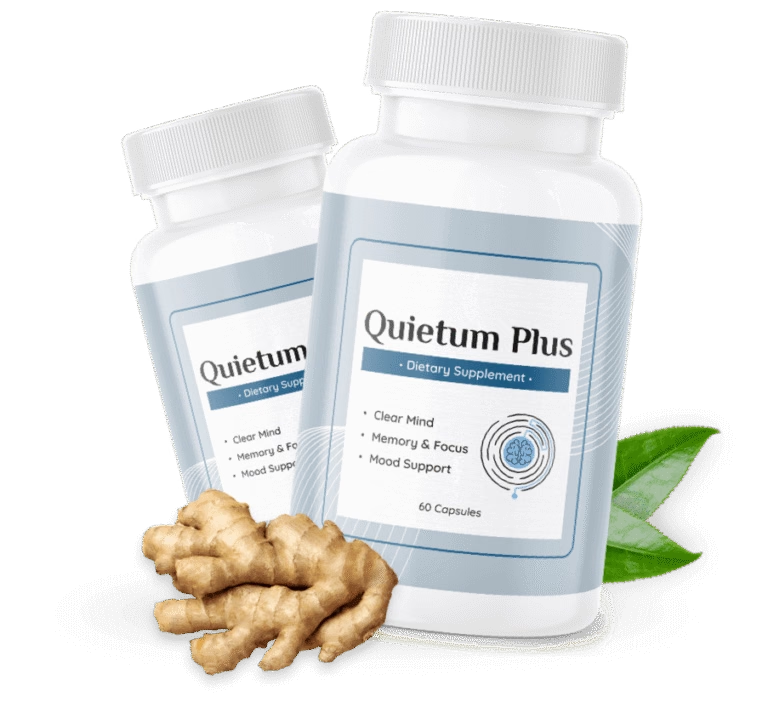
Quietum Plus reviewQuietum Plus is a 60-capsule herbal blend marketed for ear ringing, though its ingredients are mostly mood and energy herbs with no demonstr...
Reader reviews
No reader reviews yet. If you have tried Dong Quai, you can be the first to share how it went.
Reader reviews are personal opinions from visitors. We do not verify purchases, and reviews are not medical advice. We publish positive and negative reviews alike; see our review guidelines.
Write a review
Sources
- Does dong quai have estrogenic effects in postmenopausal women? A double-blind, placebo-controlled trial. Fertil Steril, 1997
- Potentiation of warfarin by dong quai. Pharmacotherapy, 1999