What is Coleus forskohlii?
Coleus forskohlii is a plant in the mint family that grows in subtropical regions such as India and Thailand. Its root contains forskolin, a compound that activates an enzyme called adenylate cyclase and raises levels of the signaling molecule cAMP in cells. In theory that could increase the breakdown of stored fat, which is why forskolin became a popular weight-loss ingredient.

What the research says
The NIH Office of Dietary Supplements summarizes the evidence as a few short-term clinical trials showing no effect on body weight, with no safety concerns reported at typical doses of 500 mg per day for 12 weeks. A systematic review published in 2026 identified four randomized controlled trials and concluded that the extract may reduce fat mass and body fat percentage, but that findings for weight loss and overall body composition were inconsistent. The authors called for high-quality, longer trials before firm conclusions can be drawn.
There is no meaningful human evidence that Coleus forskohlii supports blood sugar. Its presence in glucose formulas is tied to fat-burning marketing rather than glucose research.

How it’s used in supplements
Trials have typically used 250 mg of an extract standardized to 10% forskolin, taken twice daily. Many multi-ingredient products do not state the forskolin content or the amount of extract, so it is impossible to tell whether they come close to studied doses.
Reported side effects in trials were generally mild, with more frequent bowel movements and loose stools the most common, according to the Office of Dietary Supplements. Because forskolin acts on cell signaling pathways that also affect blood vessels and the heart, people taking blood pressure medicines, blood thinners or heart medicines, and those who are pregnant or breastfeeding, should talk with a doctor before using it.
For people focused on blood sugar, Coleus forskohlii adds little. Its research targets body composition, its effects there are inconsistent, and there is no evidence it changes glucose or insulin in people. If you are trying to improve both weight and blood sugar, the combination with the best evidence remains gradual weight loss through diet and regular physical activity, supported by your health care team. A supplement that leans on forskolin for “fat burning” claims should be judged with that in mind. Also note that some labels list the plant under its newer botanical name, Plectranthus barbatus, so the same ingredient can appear under different names. Checking for a stated forskolin percentage and an extract amount is the only way to compare a product with the trials.
Forskolin weight loss studies, trial by trial
The forskolin research is small enough to read study by study. Most trials gave 250 mg of root extract standardized to 10% forskolin twice a day for 12 weeks.
| Study | Who | What it found |
|---|---|---|
| Godard et al., 2005 | 30 overweight or obese men | Lower body fat percentage and fat mass than placebo on DXA scans, plus higher free testosterone |
| Henderson et al., 2005 | 23 mildly overweight women | No significant change in fat mass; the authors concluded it does not appear to promote weight loss but may help limit weight gain |
| Channangihalli Thimmegowda et al., 2026 | 60 overweight adults | About 1.9 kg more weight loss and 1.8 cm less waist than placebo with a branded extract (Forcslim); design was quasi-randomized |
A 2026 systematic review of four randomized trials concluded that the extract may reduce fat mass, but that results for body weight were inconsistent, and called for larger, longer trials (Nikkhah et al., 2026). The NIH Office of Dietary Supplements likewise reports no effect on body weight in short trials (ODS). In plain terms: forskolin is not a proven weight loss aid, and the best result so far is about 2 kg over 12 weeks in one company-specific study.
Forskolin dose and how to read the label
To match the trials, a product would need to state both the extract amount and the forskolin percentage. 250 mg of a 10% extract provides 25 mg of forskolin, so twice daily equals 50 mg of forskolin a day. A label listing only “Coleus forskohlii root” or a proprietary blend gives you no way to compare. Products marketed as “forskolin carbonate” or similar forms do not match the extracts used in the trials above; we found no published human weight loss study of a forskolin carbonate ingredient in PubMed (PubMed search).
Who should avoid forskolin
- People taking blood pressure, heart or blood-thinning medicines, since forskolin acts on cAMP signaling that also affects blood vessels and the heart.
- Anyone pregnant or breastfeeding, because there is no safety data.
- People with sensitive digestion: loose stools and more frequent bowel movements were the most common side effects reported in trials (ODS).
Talk to your doctor before trying it. If your weight has stalled, our pages on weight-loss plateaus, slow metabolism after 40 and weight management cover approaches with better evidence. You can also compare African mango, another popular fat-loss extract.
Frequently asked questions
Does forskolin work for weight loss?
Not reliably. A 2026 systematic review of four randomized trials found Coleus forskohlii extract may reduce fat mass, but results for body weight were inconsistent, and the NIH Office of Dietary Supplements reports no effect on weight in short trials. The largest effect so far, about 1.9 kg over 12 weeks, came from a single quasi-randomized study of a branded extract.
What does a forskolin review of the evidence show?
The evidence is small: a handful of 12-week trials with 23 to 60 people each. One study in men found lower body fat, one in women found no significant fat loss, and a 2026 trial reported modest weight loss. Reviewers call the findings inconsistent and ask for larger, longer, independent trials before firm conclusions.
How much forskolin should I take?
Trials typically used 250 mg of Coleus forskohlii extract standardized to 10% forskolin, taken twice a day, which supplies 50 mg of forskolin daily. There is no official recommended dose, and safety beyond 12 weeks is not well studied. Talk to your doctor first, especially if you take heart or blood pressure medicines.
What are the side effects of forskolin?
In trials, side effects were generally mild, with loose stools and more frequent bowel movements the most common. Because forskolin affects cell signaling in blood vessels and the heart, people on blood pressure, heart or blood-thinning medicines should check with a doctor first. It should be avoided during pregnancy and breastfeeding due to a lack of safety data.
What is Coleus forskohlii extract?
Coleus forskohlii extract is made from the root of a mint-family plant, now also called Plectranthus barbatus, that grows in India and Thailand. The root contains forskolin, which raises cAMP in cells. Supplement extracts are usually standardized to a percentage of forskolin, commonly 10% in the clinical trials.
Is there a study on forskolin carbonate?
We found no published human weight loss study of a forskolin carbonate ingredient in PubMed. The clinical trials on weight and body composition used Coleus forskohlii root extract standardized to 10% forskolin. If a product promotes a special form of forskolin, ask the seller for the human study behind it and talk to your doctor.
Safety and cautions
Mild side effects such as loose stools and more frequent bowel movements. Limited long-term safety data. Talk to your doctor first if you take blood pressure, heart or blood-thinning medicines, or if you are pregnant or breastfeeding.
Supplements we reviewed that contain it
★★★☆☆
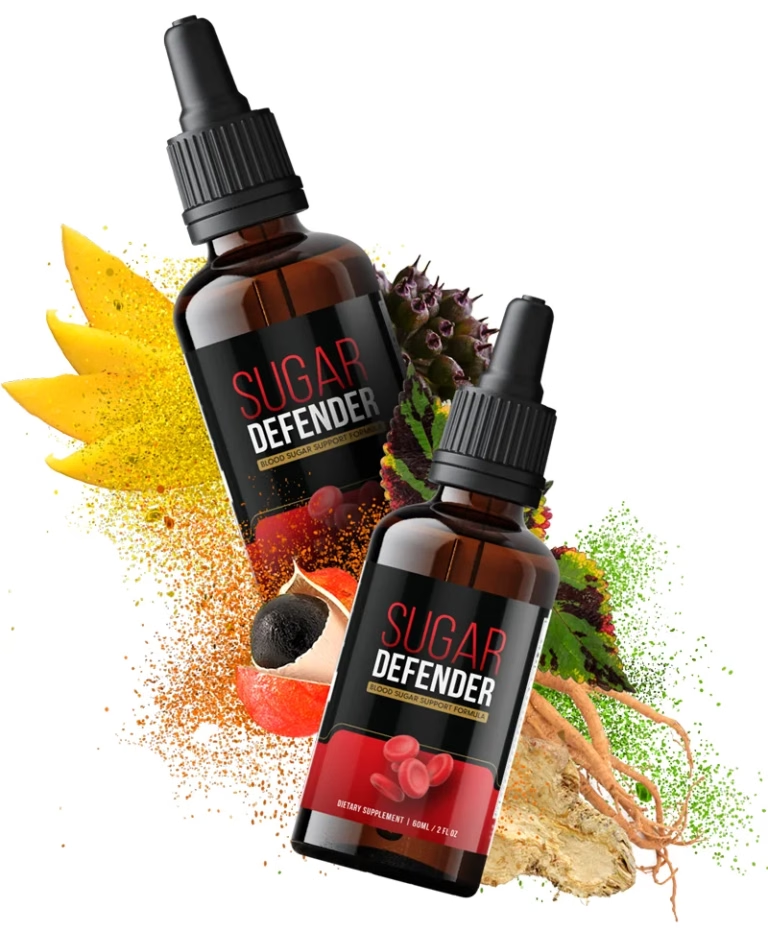
Sugar Defender reviewSugar Defender is a liquid blood sugar formula with 23 botanicals and amino acids in a 200 mg blend plus 0.7 mcg of chromium. The label is t...
Reader reviews
No reader reviews yet. If you have tried Coleus forskohlii, you can be the first to share how it went.
Reader reviews are personal opinions from visitors. We do not verify purchases, and reviews are not medical advice. We publish positive and negative reviews alike; see our review guidelines.
Write a review
Sources
- Dietary Supplements for Weight Loss Fact Sheet for Health Professionals. NIH Office of Dietary Supplements
- The Effectiveness and Safety of Coleus forskohlii Extract as an Anti-Obesity Agent: A Systematic Review. J Integr Complement Med, 2026
- Body composition and hormonal adaptations associated with forskolin consumption in overweight and obese men. Obes Res, 2005
- Effects of coleus forskohlii supplementation on body composition and hematological profiles in mildly overweight women. J Int Soc Sports Nutr, 2005
- A 12-week, double-blind, quasi-randomized, placebo-controlled study to evaluate the efficacy and safety of Coleus forskohlii (Forcslim) on body weight loss. J Int Soc Sports Nutr, 2026
- forskolin carbonate – Search Results. PubMed