What is chlorophyllin?
Chlorophyllin is a semi-synthetic compound made from chlorophyll, the green pigment in plants. Manufacturers replace the magnesium at the center of the chlorophyll molecule with copper and make it water-soluble, producing sodium copper chlorophyllin. It is used as a green food coloring and is sold in “liquid chlorophyll” drinks and tablets that are marketed for body odor, breath and “detox.”
Because chlorophyllin contains copper, products that use it also supply copper. The NIH Office of Dietary Supplements explains that copper is an essential mineral used by enzymes involved in energy production, iron metabolism and connective tissue, with a Daily Value of 0.9 mg for adults.
What the research says
Breath. The idea that chlorophyll deodorizes the body dates back decades, but modern tests are not encouraging. In a controlled breath study, researchers measured garlic-derived sulfur compounds on the breath after people ate raw garlic. Foods such as raw apple, parsley, spinach and mint reduced the odor compounds, but chlorophyllin showed no deodorizing effect compared with the control.
Mouth bacteria. In a laboratory study, a sodium copper chlorophyllin solution inhibited the growth of several anaerobic gum bacteria that produce odor-causing sulfur compounds, in a concentration-dependent way. This is test-tube evidence with solutions applied directly to bacteria; it does not show that a small amount swallowed in a tablet affects bacteria in the mouth.
Other uses. Chlorophyllin has been studied for its ability to bind certain dietary toxins such as aflatoxin; a toxicology review discusses how it may reduce absorption of this mold toxin. That research does not relate to oral health.
How it’s used in supplements
Chlorophyllin appears in liquid drops, tablets and capsules, often at doses of tens to a few hundred milligrams. It can turn stool green or dark and may cause mild digestive upset. Because it is a copper compound, it contributes to total copper intake; the adult upper limit for copper is 10 mg per day, and people with Wilson’s disease, a genetic disorder of copper handling, must avoid extra copper. High zinc intake can also interfere with copper balance, so it is worth looking at all your supplements together.
If fresh breath is your goal, the more reliable steps are cleaning the teeth and tongue, flossing, staying hydrated and seeing a dentist if odor persists. MedlinePlus also notes that chewing fresh parsley or a strong mint can mask temporary bad breath.
Chlorophyllin vs chlorophyll: what is the difference?
Chlorophyll is the natural green pigment in plants. Chlorophyllin is a semi-synthetic version made from it. According to the Linus Pauling Institute at Oregon State University, the two differ in ways that matter for supplements:
| Natural chlorophyll | Sodium copper chlorophyllin | |
|---|---|---|
| Center metal | Magnesium | Copper |
| Dissolves in | Fat | Water |
| Absorption | Poorly understood in humans; about 1 to 3% in animal studies | Absorbed; a copper chlorin was found in the blood of people taking 300 mg/day |
| Where you find it | Spinach, parsley, cress, green beans, arugula | Most “liquid chlorophyll” drops and tablets; approved green color additive |
So when a label says “liquid chlorophyll,” the bottle almost always contains chlorophyllin, not the plant pigment itself. If you want natural chlorophyll, leafy greens are the main source: one cup of spinach provides roughly 24 mg. Green algae such as chlorella are also sold as chlorophyll sources.
Does chlorophyllin help with body odor?
Chlorophyllin has been sold as an “internal deodorant” for decades, but the human evidence is thin and mostly old:
- Fecal and urine odor. Early case reports in people with ostomies or incontinence used 100 to 300 mg/day. The one placebo-controlled trial in colostomy patients found chlorophyll no better than placebo for fecal odor (Christiansen et al., 1989).
- Fish-odor syndrome (trimethylaminuria). In a small study of seven Japanese patients, copper chlorophyllin at 180 mg/day for three weeks lowered urinary levels of trimethylamine, the compound behind the fishy odor (Yamazaki et al., 2004). This is a rare genetic condition, and the study had no placebo group.
- Everyday sweat or breath odor. We found no controlled trials showing that chlorophyllin reduces ordinary underarm odor, and the breath study described above found no effect on garlic breath.
For persistent breath problems, our guide to bad breath that keeps coming back covers the causes that matter most, and unusual body odor that is new or strong is worth raising with a doctor.
How much chlorophyllin per day, and what are the side effects?
There is no official recommended intake. Studies have used 60 mg three times daily for odor and 100 mg three times daily before meals in a 16-week aflatoxin trial in China, where it lowered a urinary marker of aflatoxin-related DNA damage by 55% (Egner et al., 2001). Older odor-control references list 100 to 300 mg/day split into three doses.
Side effects reported with chlorophyllin and chlorophyll include:
- Green urine or green to dark stools (harmless but common)
- Yellow or black discoloration of the tongue
- Diarrhea (occasionally, with oral chlorophyllin)
- False-positive results on guaiac stool tests for hidden blood, so tell your doctor before a screening test
- Sun sensitivity: an Australian case series described four people who developed blistering, light-triggered skin reactions (pseudoporphyria) after taking chlorophyll supplements (Zhao et al., 2016)
Safety in pregnancy and breastfeeding has not been tested, so the Linus Pauling Institute advises avoiding these supplements during that time. Remember that chlorophyllin adds copper; check the copper in any multivitamin or oral-care product you also take, such as those on our oral health page, and talk to your doctor if you take medications or have a copper-related condition.
Frequently asked questions
What is the difference between chlorophyll and chlorophyllin?
Chlorophyll is the natural, fat-soluble green pigment in plants and contains magnesium. Chlorophyllin is a semi-synthetic, water-soluble derivative in which copper usually replaces the magnesium. Most liquid chlorophyll products actually contain sodium copper chlorophyllin, which the body absorbs to some degree, while the absorption of natural chlorophyll in humans is poorly understood.
Is liquid chlorophyll the same as chlorophyllin?
Usually, yes. Most over-the-counter liquid chlorophyll drops and drinks are made with sodium copper chlorophyllin because it dissolves in water and is more stable than natural chlorophyll. Check the supplement facts panel: if it lists sodium copper chlorophyllin, you are taking chlorophyllin and also getting a small amount of copper.
Does chlorophyllin work for body odor?
The evidence is weak. Old case reports suggested less fecal or urine odor at 100 to 300 mg a day, but a placebo-controlled trial in colostomy patients found no benefit. A small study in people with fish-odor syndrome showed lower urinary trimethylamine. There are no good trials on everyday sweat or underarm odor.
Does chlorophyllin help bad breath?
Not reliably. In a controlled test, chlorophyllin did not reduce garlic breath compounds, while foods like apple, parsley and mint did. A lab study found it slowed some odor-causing gum bacteria in a dish, but that does not show a swallowed tablet changes mouth bacteria. Brushing, tongue cleaning and dental care work better.
How much chlorophyllin should I take per day?
There is no official dose. Studies have used 60 mg three times a day for fish-odor syndrome and 100 mg three times a day in an aflatoxin trial, and older references cite 100 to 300 mg a day in divided doses. Follow the label, do not exceed it, and talk to your doctor if you are pregnant or take medications.
Why does chlorophyllin turn my poop green?
Chlorophyllin is a strong green pigment, and much of what you swallow passes through the gut, so green or dark stools and green urine are common and expected. This is generally harmless. However, black, tarry stools can signal bleeding, and chlorophyllin can cause false-positive stool blood tests, so tell your doctor you take it.
Can chlorophyll make you sensitive to the sun?
It can in rare cases. Doctors in Australia described four people who developed blistering, sun-triggered skin reactions called pseudoporphyria after taking chlorophyll supplements, with sensitivity lasting after they stopped. If you notice unusual sunburn or blisters on sun-exposed skin while taking chlorophyll or chlorophyllin, stop it and see a doctor.
Safety and cautions
May cause green or dark stools and mild digestive upset. Contributes copper: avoid with Wilson's disease or other copper disorders; adult copper upper limit is 10 mg/day. Safety in pregnancy not established.
Supplements we reviewed that contain it
★★★☆☆
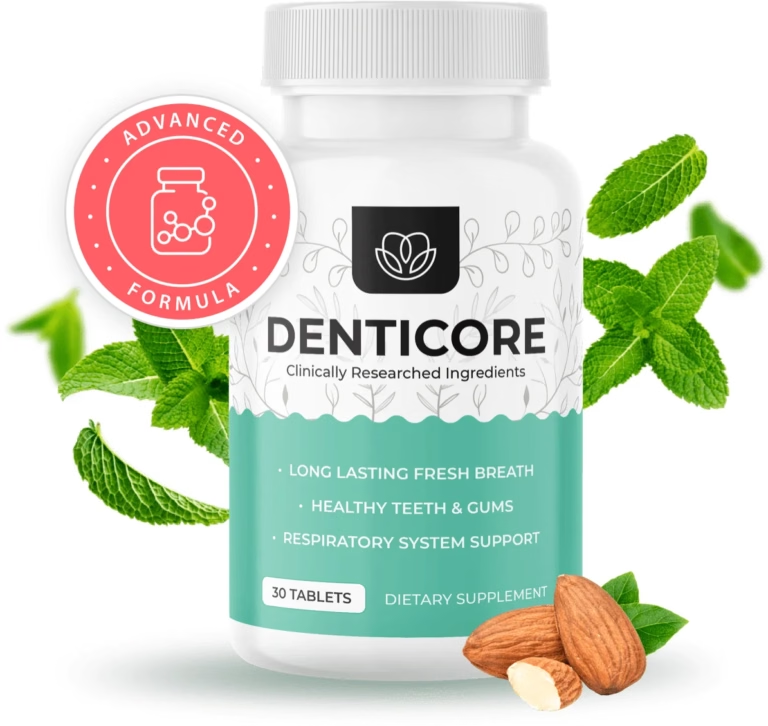
DentiCore reviewDentiCore is a daily chewable tablet with small doses of calcium, iodine, copper and chromium plus a 120 mg blend of chlorella, chlorophylli...
Reader reviews
No reader reviews yet. If you have tried Chlorophyllin, you can be the first to share how it went.
Reader reviews are personal opinions from visitors. We do not verify purchases, and reviews are not medical advice. We publish positive and negative reviews alike; see our review guidelines.
Write a review
Sources
- Copper Fact Sheet for Health Professionals. NIH Office of Dietary Supplements
- Deodorization of garlic breath volatiles by food and food components. J Food Sci, 2014
- The Effect of Bamboo Leaf Extract Solution and Sodium Copper Chlorophyllin Solution on Growth and Volatile Sulfur Compounds Production of Oral Malodor Associated Some Anaerobic Periodontal Bacteria. Yonago Acta Med, 2015
- Dietary modulation of the biotransformation and genotoxicity of aflatoxin B(1). Toxicology, 2012
- Breath odor. MedlinePlus
- Chlorophyll and Metallo-Chlorophyll Derivatives. Linus Pauling Institute
- [Can chlorophyll reduce fecal odor in colostomy patients?]. Ugeskr Laeger, 1989
- Effects of the dietary supplements, activated charcoal and copper chlorophyllin, on urinary excretion of trimethylamine in Japanese trimethylaminuria patients. Life Sci, 2004
- Chlorophyllin intervention reduces aflatoxin-DNA adducts in individuals at high risk for liver cancer. Proc Natl Acad Sci U S A, 2001
- Chlorophyll-induced pseudoporphyria with ongoing photosensitivity after cessation – a case series of four patients. J Eur Acad Dermatol Venereol, 2016