What is boron?
Boron is a trace element present in soil, water and plant foods such as fruit, leafy vegetables, nuts, legumes, coffee and wine. According to the NIH Office of Dietary Supplements, boron is not classified as an essential nutrient for humans because research has not yet identified a clear biological function. It might, however, influence reproduction and development, calcium metabolism, bone formation, brain function, immunity and the activity of steroid hormones, including vitamin D and estrogen.
Boron does not build up in most tissues, but bone, nails and hair contain higher levels than other tissues. Vegetarians tend to consume more boron because it is plentiful in plant foods.
What the research says
Bone health. Animal studies show that boron deficiency can impair bone development and strength, and supplementation improves some measures of bone strength in animals. Human data are thin. The ODS describes an observational study of 134 women that found no correlation between boron intake and bone density, and a 10-month trial in young women in which 3 mg per day of boron changed some blood minerals but did not directly affect bone mineral density. The ODS concludes that more research is needed to know whether boron supplements affect bone health in people.
Joints. Small studies suggest boron, particularly as calcium fructoborate, might ease osteoarthritis symptoms. In one 8-week pilot study of 20 people, 6 mg per day reduced symptoms compared with placebo. The ODS describes these findings as promising but needing confirmation in larger controlled trials.
Oral health. We found no human trials showing that boron supplements improve tooth strength or gum health. Any link is theoretical, based on boron’s possible role in calcium metabolism.
How it’s used in supplements
Boron appears in bone and joint formulas, often at 3 mg per dose, as boron citrate, boron glycinate or calcium fructoborate. The tolerable upper intake level for adults, including during pregnancy, is 20 mg per day. Accidental poisoning with boric acid or borax, found in some cleaning products and pesticides, causes nausea, vomiting, diarrhea and skin problems, but these amounts are far higher than any supplement. Typical diets supply roughly 1 mg per day or more, depending on how many plant foods you eat.
Because boron may affect estrogen and other steroid hormones, people with hormone-sensitive conditions should talk to their doctor before taking boron supplements. When boron is part of a small proprietary blend, as in many dental supplements, the amount is probably too small to compare with the doses used in studies.
Safety and cautions
Adult upper limit 20 mg/day. May influence estrogen and other steroid hormones; people with hormone-sensitive conditions should ask a doctor. Keep boric acid and borax products away from children.
Supplements we reviewed that contain it
★★★☆☆
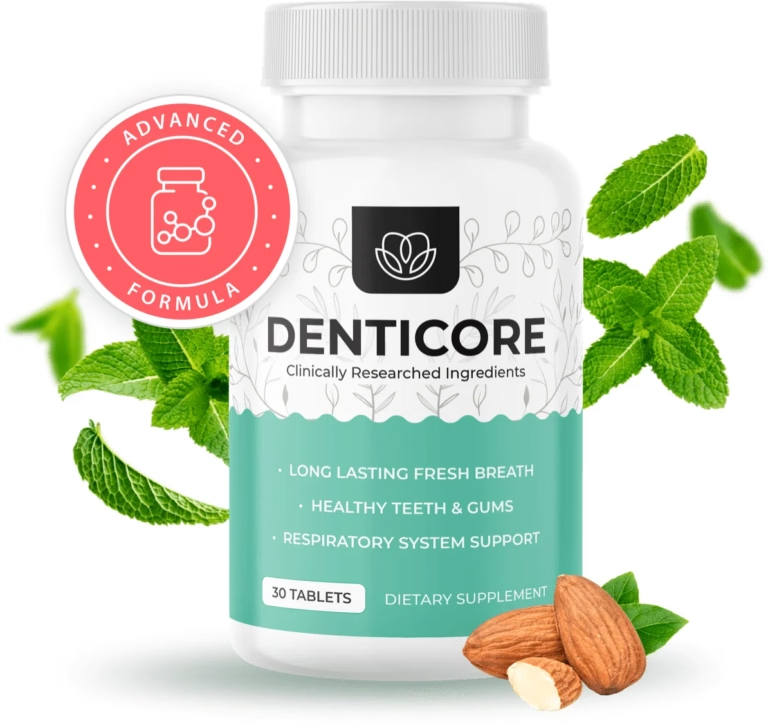
DentiCore reviewDentiCore is a daily chewable tablet with small doses of calcium, iodine, copper and chromium plus a 120 mg blend of chlorella, chlorophylli...
★★★☆☆
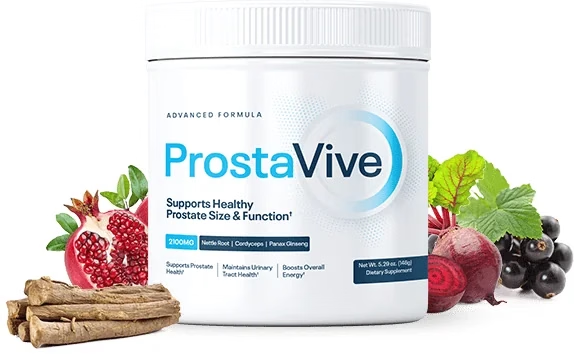
ProstaVive reviewProstaVive is a once-daily drink powder with nettle root, ashwagandha, tongkat ali, fenugreek, boron, vitamin D3 and zinc. Doses are mostly ...
Reader reviews
No reader reviews yet. If you have tried Boron, you can be the first to share how it went.
Reader reviews are personal opinions from visitors. We do not verify purchases, and reviews are not medical advice. We publish positive and negative reviews alike; see our review guidelines.
Write a review
Sources
- Boron Fact Sheet for Health Professionals. NIH Office of Dietary Supplements
- Comparative effects of daily and weekly boron supplementation on plasma steroid hormones and proinflammatory cytokines. J Trace Elem Med Biol, 2011