What is betaine?
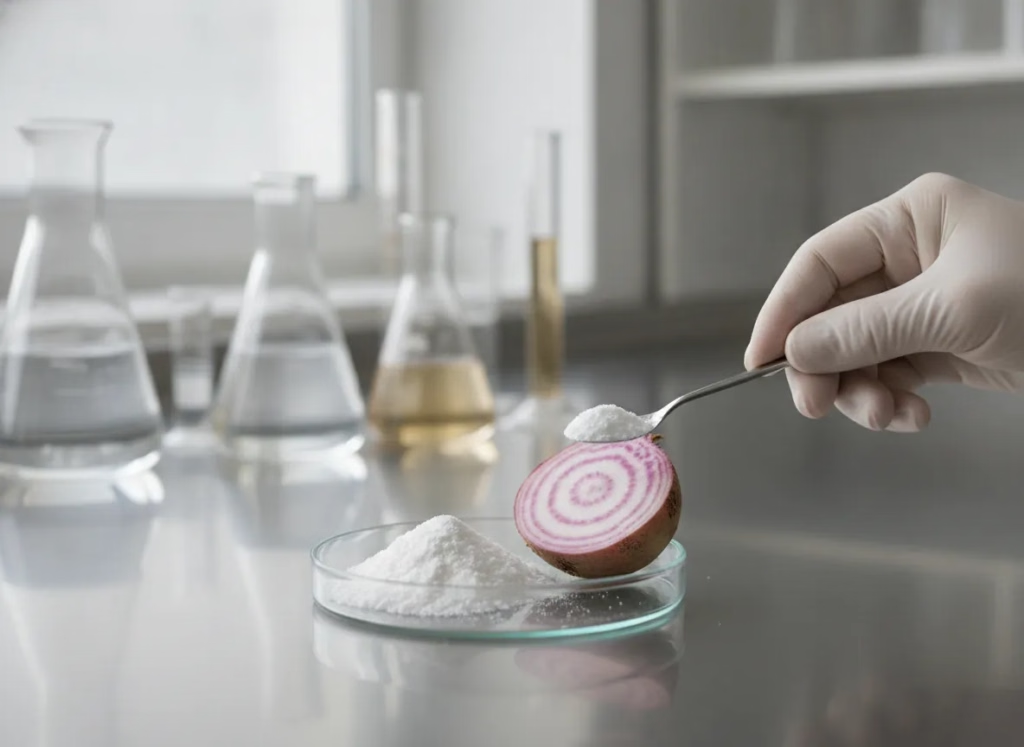
Betaine, also called trimethylglycine (TMG), is a compound found in beets, spinach, wheat bran and other whole grains. The body can also make it from choline. Betaine donates methyl groups in a pathway that converts homocysteine into methionine, which happens largely in the liver, and it helps cells manage water balance. Supplement forms include betaine anhydrous, used in sports and wellness products, and betaine HCl, used as a digestive aid.
What the research says
Animal studies suggest betaine can reduce fat buildup in the liver, which is why it appears in liver-support formulas. Human research on body composition is mixed. A 2019 meta-analysis of six trials with 195 participants found that betaine reduced total body fat mass by about 2.5 kg and body fat percentage by about 2.4 percent, without changing body weight or BMI.
A larger and more recent 2022 systematic review and meta-analysis, however, concluded that betaine supplementation did not significantly affect body weight, BMI, body fat percentage, fat mass or fat-free mass. Results were similar regardless of age, sex, BMI, trial length, dose or health status. With the newer and broader analysis finding no effect, the overall evidence does not support betaine as a weight-loss ingredient.
Claims that betaine can repair or reverse liver damage in people are not supported by strong human trials, and statements like this should be read as marketing rather than established fact.
How it’s used in supplements
In sports nutrition, betaine anhydrous is usually taken in gram-level doses. In multi-ingredient capsules, it typically appears in much smaller, undisclosed amounts, making it unlikely to match the doses used in trials.
The meta-analyses above did not identify safety signals that changed their conclusions, but most trials were short. Because betaine is metabolically active in the liver and kidneys, people with kidney or liver conditions, and anyone pregnant or breastfeeding, should ask their doctor before taking concentrated betaine supplements.
Bottom line: betaine has a plausible role in liver metabolism, but human trials on body composition disagree, and the broadest recent analysis found no benefit. It is not a proven weight-loss or liver-repair ingredient, and the small amounts in multi-ingredient capsules make an effect even less likely. Foods such as beets, spinach and whole grains provide betaine as part of a normal diet. The disagreement between the two meta-analyses is also a useful reminder that a single positive review is not the final word, and that newer, larger analyses can overturn earlier, more optimistic conclusions.
Betaine HCl vs betaine anhydrous (TMG)
Both are sold as “betaine,” but they are used for different reasons and should not be swapped for each other.
| Betaine anhydrous (TMG) | Betaine HCl | |
|---|---|---|
| What it is | Pure trimethylglycine, a methyl donor | Betaine bound to hydrochloric acid |
| Marketed for | Homocysteine, liver support, sports performance | “Digestive support” and low stomach acid |
| Medical use | Prescription betaine powder (Cystadane) is approved for the inherited disorder homocystinuria (MedlinePlus) | None approved; the FDA states there are not adequate data to show any OTC stomach acidifier, including betaine HCl, is effective (21 CFR 310.540) |
| Typical amounts | Grams per day | Hundreds of milligrams per capsule |
Betaine HCl does release acid in the stomach. In a pilot study of six healthy volunteers whose stomach acid had been suppressed with the drug rabeprazole, 1,500 mg of betaine HCl dropped stomach pH from about 5.2 to 0.6, but the effect lasted only about 75 minutes (Yago et al., 2013). That shows a short-term chemical effect, not a proven digestive benefit. People with ulcers, reflux or those taking acid-reducing drugs or NSAIDs should not use betaine HCl without medical advice.
Betaine and homocysteine
Homocysteine lowering is the best-supported effect of betaine anhydrous. A meta-analysis of five randomized trials in healthy adults found that at least 4 g/day for 6 to 24 weeks lowered plasma homocysteine by an average of 1.23 micromol/L (McRae, 2013). That is a small change in people whose levels were mostly normal to begin with.
There is a trade-off. In a 12-week trial in adults with obesity, 6 g/day lowered homocysteine but total and LDL cholesterol were higher than in the placebo group, and body composition did not improve (Schwab et al., 2002). In a later 6-month trial in young healthy adults, 4 g/day had only a weak effect on homocysteine and no lasting effect on blood lipids (Schwab et al., 2011). Betaine works alongside choline, folate and vitamin B12 in this pathway, and food sources such as beets, spinach and whole grains supply it naturally.
How much betaine per day, and side effects
Studies on homocysteine used 4 to 6 g/day of betaine anhydrous, usually split into two doses. Most multi-ingredient liver support capsules contain far less. Side effects to know about:
- Nausea and stomach upset, the most common complaint listed for prescription betaine (MedlinePlus)
- Possible rise in LDL cholesterol at 6 g/day, relevant if you are managing cholesterol
- Stomach irritation or heartburn with betaine HCl
Avoid concentrated betaine during pregnancy or breastfeeding unless your doctor recommends it, and ask your doctor first if you have kidney, liver or heart disease, high cholesterol, or take acid-reducing or anti-inflammatory medicines.
Frequently asked questions
What is the difference between betaine HCl and betaine anhydrous?
Betaine anhydrous, also called TMG or trimethylglycine, is a methyl donor used for homocysteine, liver support and sports nutrition, usually in gram doses. Betaine HCl is betaine bound to hydrochloric acid and is sold as a digestive aid to add stomach acid. They have different uses and are not interchangeable.
Is betaine the same as TMG?
Yes. Betaine is short for glycine betaine, also called trimethylglycine or TMG. Supplements labeled TMG or betaine anhydrous contain the same compound. Betaine HCl contains betaine too, but it is combined with hydrochloric acid and is designed to acidify the stomach rather than to supply methyl groups.
Does betaine lower homocysteine?
Yes, modestly. A meta-analysis of five randomized trials found that at least 4 grams a day of betaine for 6 to 24 weeks lowered homocysteine by about 1.23 micromol/L in healthy adults. Prescription betaine is also used for homocystinuria, a rare inherited disorder. Ask your doctor whether testing or B vitamins are more appropriate for you.
How much betaine should I take per day?
There is no official dose for general use. Homocysteine trials used 4 to 6 grams a day of betaine anhydrous, often split into two doses. Betaine HCl capsules typically contain a few hundred milligrams. Follow the label and talk to your doctor before taking gram doses, especially if you have high cholesterol or kidney or liver disease.
What are the side effects of betaine?
The most common are nausea and stomach upset. In one trial, 6 grams a day raised total and LDL cholesterol compared with placebo. Betaine HCl can irritate the stomach and is not appropriate for people with ulcers or reflux. Avoid it during pregnancy and breastfeeding unless your doctor advises it.
Does betaine HCl help with low stomach acid?
It does acidify the stomach briefly: in a small study, 1,500 mg lowered stomach pH for about 75 minutes in volunteers on an acid-suppressing drug. However, the FDA has concluded there are not adequate data to show any over-the-counter stomach acidifier, including betaine HCl, is effective. Talk to your doctor about digestive symptoms instead of self-treating.
Does betaine help with weight loss?
The evidence says no. A 2019 meta-analysis found less body fat without weight change, but a larger 2022 meta-analysis found no significant effect on weight, BMI or body fat. In a 12-week trial, 6 grams a day added nothing to the weight lost with a reduced-calorie diet.
Safety and cautions
Most trials were short, so long-term safety is not well established. People with kidney or liver conditions, or who are pregnant or breastfeeding, should consult their doctor before use.
Supplements we reviewed that contain it
★★★☆☆
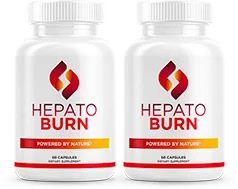
HepatoBurn reviewHepatoBurn is a liver-focused weight supplement with ten ingredients, including berberine, milk thistle and green tea. A few have modest evi...
★★★☆☆
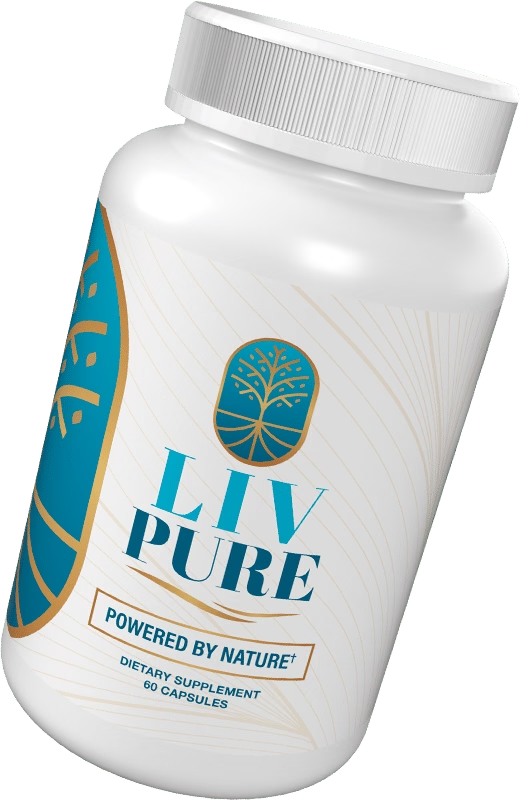
Liv Pure reviewLiv Pure is a liver-themed capsule for weight management that names ten ingredients, including milk thistle, berberine and green tea, but di...
Reader reviews
No reader reviews yet. If you have tried Betaine, you can be the first to share how it went.
Reader reviews are personal opinions from visitors. We do not verify purchases, and reviews are not medical advice. We publish positive and negative reviews alike; see our review guidelines.
Write a review
Sources
- Effect of Betaine on Reducing Body Fat-A Systematic Review and Meta-Analysis of Randomized Controlled Trials. Nutrients, 2019
- Betaine supplementation fails to improve body composition: a systematic review and meta-analysis. Br J Nutr, 2022
- Betaine. MedlinePlus
- 21 CFR 310.540 — Drug products containing active ingredients offered over-the-counter (OTC) for use as stomach acidifiers.. eCFR
- Gastric reacidification with betaine HCl in healthy volunteers with rabeprazole-induced hypochlorhydria. Mol Pharm, 2013
- Betaine supplementation decreases plasma homocysteine in healthy adult participants: a meta-analysis. J Chiropr Med, 2013
- Betaine supplementation decreases plasma homocysteine concentrations but does not affect body weight, body composition, or resting energy expenditure in human subjects. Am J Clin Nutr, 2002
- Long-term effect of betaine on risk factors associated with the metabolic syndrome in healthy subjects. Eur J Clin Nutr, 2011