What is hesperidin?
Hesperidin is a flavonoid, a type of plant polyphenol, found mainly in sweet oranges and other citrus fruits. It is concentrated in the peel and the white inner layer, and orange juice is the main source in most diets. In the gut, bacteria convert hesperidin into hesperetin, the form that is absorbed and circulates in the blood. Supplements usually provide hesperidin extracted from sweet orange (Citrus sinensis), sometimes combined with diosmin, another citrus flavonoid.
What the research says
Most interest in hesperidin centers on blood vessels. In a 2011 randomized crossover trial in 24 healthy, moderately overweight men aged 50 to 65, four weeks of hesperidin, in the amount supplied by 500 mL of orange juice, lowered diastolic blood pressure compared with placebo and improved small vessel responses after a meal, although fasting vessel function did not change. The authors suggested hesperidin could explain part of orange juice’s effect.
Newer data are more mixed. A 2026 randomized crossover trial in 37 centrally overweight men compared orange juice, a drink with 210 mg of added hesperidin, and a control drink, each for six weeks. Hesperidin was well absorbed, but neither orange juice nor hesperidin measurably changed flow-mediated dilation or other vascular and metabolic markers in that period. The researchers noted large differences between individuals in both absorption and response.
Hesperidin, often together with diosmin, has also been studied in people with chronic venous concerns, where combinations of citrus flavonoids are used in some countries as prescription products. Those results come from specific formulations and populations and should not be read as evidence that a hesperidin supplement treats any vein condition. Overall, the evidence for hesperidin on its own is limited: early trials show some promising signals on blood pressure and vessel function, while larger and longer trials are still needed.
How it’s used in supplements
Hesperidin appears in circulation, vein support and antioxidant formulas, typically at 50 to 500 mg a day, and sometimes in a more soluble form such as glucosyl hesperidin. In multi-ingredient products it is often paired with beet extract, grape seed extract or vitamin C. Because absorption depends on gut bacteria, people may respond quite differently. Hesperidin from food and supplements is generally well tolerated; reported side effects are mild, such as stomach upset. People taking blood pressure medicines, blood thinners or other prescription drugs, and anyone who is pregnant or breastfeeding, should check with a doctor before using concentrated citrus flavonoid supplements.
Safety and cautions
Generally well tolerated; mild stomach upset is possible. Check with a doctor if you take blood pressure medicines, blood thinners or other prescription drugs, or if you are pregnant or breastfeeding.
Supplements we reviewed that contain it
★★★☆☆
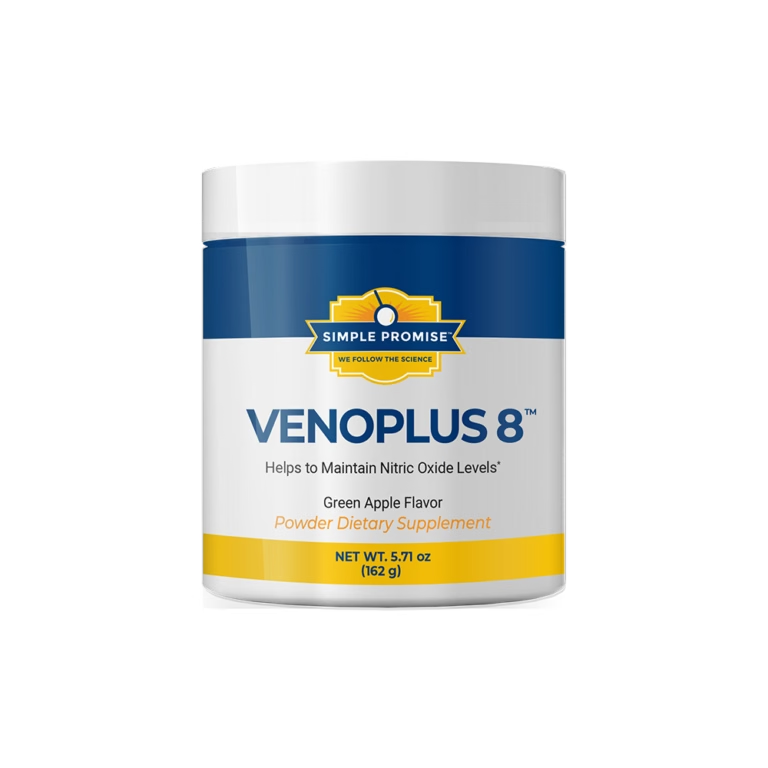
VenoPlus 8 reviewVenoPlus 8 is a green apple flavored circulation powder from Simple Promise with RedNite beet extract, Pomella pomegranate, hesperidin, grap...
Reader reviews
No reader reviews yet. If you have tried Hesperidin, you can be the first to share how it went.
Reader reviews are personal opinions from visitors. We do not verify purchases, and reviews are not medical advice. We publish positive and negative reviews alike; see our review guidelines.