What is thyme?
Thyme (Thymus vulgaris) is a low-growing herb in the mint family, native to the Mediterranean and widely used in cooking. Its leaves contain an essential oil rich in thymol and carvacrol, compounds that give thyme its sharp aroma and that show antimicrobial activity in laboratory tests. Thyme has a long history in European herbal medicine, especially in syrups and teas for coughs.
What the research says
The strongest human evidence for thyme comes from standardized combination products. In a double-blind, placebo-controlled trial of 361 adults with a recent, short-term chesty cough, a fluid extract syrup combining thyme herb and ivy leaves, taken three times a day for about 11 days, reduced the number of daytime coughing fits by about 69% compared with about 48% on placebo, and symptoms improved faster. A second trial of the same size tested tablets combining thyme and primrose root extracts and reported a similar pattern, with coughing fits falling about 67% versus 51% on placebo.
These results apply to specific, standardized syrups taken in fairly large daily amounts. They do not show that thyme alone, or small amounts of dried thyme leaf in a blend, has the same effect. A 2018 review of thymol and thyme summarized antimicrobial, antioxidant and anti-inflammatory activity, largely from experimental studies.
Overall, thyme has limited evidence, mostly in combination products, for easing a short-term cough. There is no good evidence that it improves lung function or supports long-term respiratory health. Because the trials above tested branded European products with defined extract ratios, results from them cannot be assumed for supplements that list only “thyme leaf” without an amount.
How it’s used in supplements
Thyme appears in cough syrups, lozenges, teas and liquid herbal blends. In Europe, standardized thyme extracts are sold in regulated herbal cough products, often combined with ivy or primrose. In US dietary supplements, thyme is usually present as dried leaf or extract in amounts that are often undisclosed.
Thyme is considered safe in food amounts. In larger supplemental amounts it may cause stomach upset, and people allergic to plants in the mint family, such as oregano or lavender, may react to it. Concentrated thyme oil should not be swallowed undiluted. Safety during pregnancy and breastfeeding at medicinal doses is not well established, and people taking blood thinners or other prescription drugs should check with a doctor before using concentrated thyme products.
A cough that lasts longer than a few weeks, or comes with fever, chest pain or trouble breathing, needs medical evaluation.
Safety and cautions
Safe in food amounts. May cause stomach upset or allergic reactions in people sensitive to mint-family plants. Check with a doctor if pregnant, breastfeeding or taking blood thinners.
Supplements we reviewed that contain it
★★☆☆☆
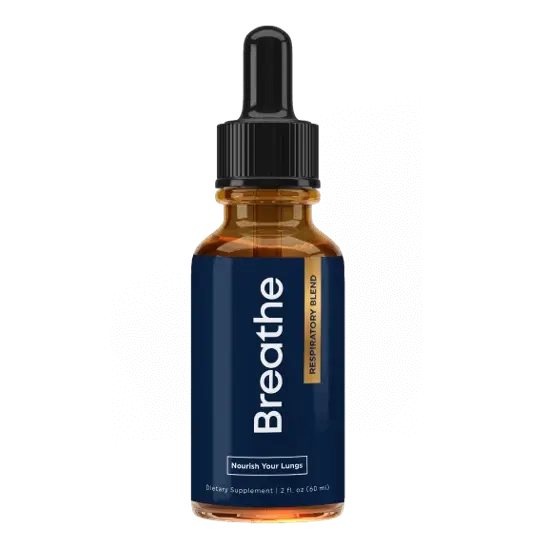
Breathe reviewBreathe is a liquid herbal drop with manuka honey, thyme, mullein, peppermint, ginger and lemon peel in an undisclosed 550 mg blend. Evidenc...
Reader reviews
No reader reviews yet. If you have tried Thyme, you can be the first to share how it went.
Reader reviews are personal opinions from visitors. We do not verify purchases, and reviews are not medical advice. We publish positive and negative reviews alike; see our review guidelines.
Write a review
Sources
- Efficacy and tolerability of a fluid extract combination of thyme herb and ivy leaves and matched placebo in adults suffering from acute bronchitis with productive cough. A prospective, double-blind, placebo-controlled clinical trial. Arzneimittelforschung, 2006
- Evaluation of efficacy and tolerability of a fixed combination of dry extracts of thyme herb and primrose root in adults suffering from acute bronchitis with productive cough. A prospective, double-blind, placebo-controlled multicentre clinical trial. Arzneimittelforschung, 2007
- Thymol, thyme, and other plant sources: Health and potential uses. Phytother Res, 2018