What is St. John’s wort?
St. John’s wort (Hypericum perforatum) is a plant with yellow flowers that has been used in Greek, Islamic and Chinese traditional medicine. According to NCCIH, its name likely refers to John the Baptist, since the plant blooms around the feast of St. John in late June. Historically it was used for low mood, stomach complaints and colds and was applied to the skin on wounds. Today it is sold mainly as capsules, tablets, teas and liquid extracts made from the flowering tops.
The plant contains several active compounds, including hypericin and hyperforin. These compounds are thought to explain both its effects on mood and its well-known ability to change how the body processes many medicines.
What the research says
St. John’s wort has been studied more than most herbs. NCCIH summarizes the research this way: it appears to be more effective than placebo, and about as effective as standard antidepressant medicines, for mild or moderate depression. It is uncertain whether this holds for severe depression or for periods longer than 12 weeks. Small numbers of studies suggest it may help with menopausal hot flashes and with somatic symptom disorder, but for other uses, including ADHD, irritable bowel syndrome, premenstrual syndrome and smoking cessation, the evidence has not clearly shown a benefit.
There is no human research on St. John’s wort for hearing. When it appears in hearing or brain formulas, it is usually included for general mood and well-being rather than for the ear itself.
The most important part of the St. John’s wort story is safety. NCCIH states that it has been clearly shown to interact in dangerous, sometimes life-threatening ways with a variety of medicines. It can weaken the effects of some antidepressants (such as amitriptyline and bupropion), birth control pills, cyclosporine, some seizure drugs (phenytoin and carbamazepine), some heart medicines (digoxin and ivabradine), some HIV drugs, some cancer drugs, warfarin and certain statins such as simvastatin. Combined with antidepressants or other serotonin-affecting drugs, it may also cause serious serotonin-related side effects.
How it’s used in supplements
St. John’s wort is sold on its own as a mood supplement and is sometimes included in multi-ingredient brain, mood or menopause formulas. Amounts vary widely, from under 100 mg to several hundred milligrams per serving. Labels do not always state how the extract is standardized.
For most adults who are not taking any medicine, NCCIH says it appears safe when used for up to 12 weeks, and some studies suggest it can be used safely for a year or more. Possible side effects include sun sensitivity (especially at large doses), diarrhea, dizziness, trouble sleeping, restlessness and skin tingling. It may be unsafe during pregnancy, and breastfed infants of mothers taking it have shown colic, drowsiness and lethargy.
Because it interacts with so many medicines, anyone who takes a prescription, including birth control, should check with a doctor or pharmacist before using any product that contains St. John’s wort. Low mood that lasts more than a couple of weeks deserves a conversation with a health care provider rather than self-care alone.
Safety and cautions
Interacts with many medicines, including birth control pills, warfarin, cyclosporine, digoxin, some antidepressants, seizure, HIV and cancer drugs and certain statins; may cause serotonin-related side effects with antidepressants; can increase sun sensitivity; avoid during pregnancy and breastfeeding.
Supplements we reviewed that contain it
★★★☆☆
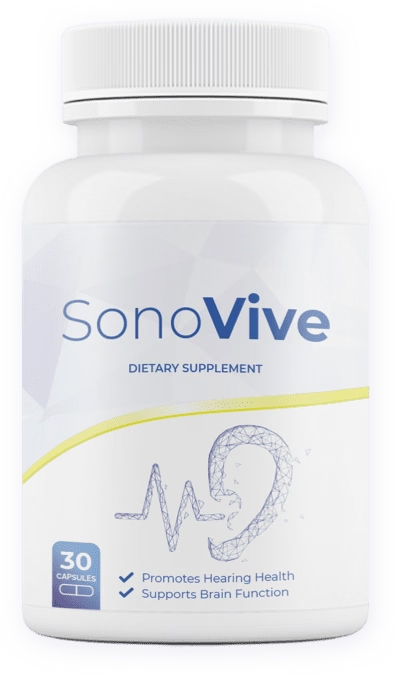
SonoVive reviewSonoVive is a fully disclosed capsule of St. John's wort, bacopa, ginkgo, phosphatidylserine, acetyl-L-carnitine, L-glutamine, vinpocetine a...
Reader reviews
No reader reviews yet. If you have tried St. John’s Wort, you can be the first to share how it went.
Reader reviews are personal opinions from visitors. We do not verify purchases, and reviews are not medical advice. We publish positive and negative reviews alike; see our review guidelines.
Write a review
Sources
- St. John's Wort. NCCIH