What is sarsaparilla?
Sarsaparilla is a common name for several climbing plants in the Smilax genus, native to Central and South America, the Caribbean and parts of Asia. The roots have been used in traditional medicine for skin complaints, joint pain and as a general “blood purifier”, and sarsaparilla root was a classic flavoring for old-fashioned root beer-style soft drinks. Today most sarsaparilla flavor in drinks is artificial.
The plants contain steroidal saponins (such as sarsasapogenin and smilagenin), flavonoids and other plant compounds. Supplement marketing sometimes claims that sarsaparilla contains testosterone or other hormones. It does not; the plant compounds are not human hormones and the body does not turn them into testosterone.
What the research says
Most of the scientific literature on Smilax species comes from cell and animal studies, and much of it focuses on Smilax glabra, a related species used in traditional Chinese medicine. A 2022 review of Smilax glabra described more than 200 identified compounds and reported anti-inflammatory, antioxidant and other effects in laboratory models, but noted that most studies used crude extracts and that clinical evidence is limited.
We found no well-designed human trials showing that sarsaparilla improves hearing, nerve health, cognition, detoxification or skin conditions. The neuroprotection references used in some supplement marketing are lab or animal studies of related species. Some traditional uses, such as for psoriasis and other skin conditions, were described in older medical writing, but they have not been confirmed in modern controlled trials. Because of that, we rate the evidence for sarsaparilla as preliminary. If a product lists sarsaparilla among many other herbs without an amount, it is reasonable to assume its contribution is unknown rather than meaningful.
How it’s used in supplements
Sarsaparilla root powder or extract shows up in “detox”, skin, men’s vitality, joint and nerve formulas, often inside a proprietary blend with no amount disclosed. There is no established effective dose for any health purpose.
Sarsaparilla is generally considered low risk in food amounts. Large doses may cause stomach irritation. Because its saponins can affect how other substances are absorbed, there is a theoretical concern that it could change the absorption of some medications, so people taking prescription drugs, including heart medications or diuretics, should ask a pharmacist before using concentrated products. There is not enough safety information for pregnancy or breastfeeding, so it is best avoided then. Products sold as “Indian sarsaparilla” (Hemidesmus indicus) are a different plant altogether, so check the botanical name on the label.
Safety and cautions
Large amounts may irritate the stomach. May change absorption of some medications; ask a pharmacist if you take prescription drugs. Avoid in pregnancy and breastfeeding due to lack of safety data. Indian sarsaparilla (Hemidesmus indicus) is a different plant.
Supplements we reviewed that contain it
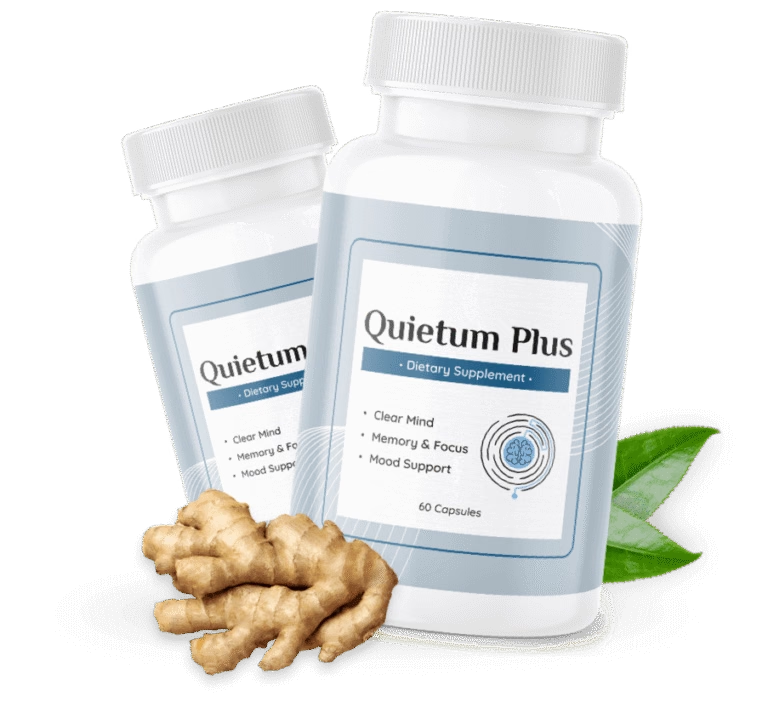
★★☆☆☆
Quietum Plus reviewQuietum Plus is a 60-capsule herbal blend marketed for ear ringing, though its ingredients are mostly mood and energy herbs with no demonstr...
Reader reviews
No reader reviews yet. If you have tried Sarsaparilla Root, you can be the first to share how it went.
Reader reviews are personal opinions from visitors. We do not verify purchases, and reviews are not medical advice. We publish positive and negative reviews alike; see our review guidelines.