What is mullein?
Mullein (Verbascum thapsus), also called common mullein or great mullein, is a tall plant with soft, fuzzy leaves and yellow flowers. It is native to Europe, Asia and North Africa and now grows widely in North America, often along roadsides. Its leaves, flowers and roots have been used in folk medicine for centuries, especially as teas and syrups for the throat and chest.
Mullein leaves and flowers contain mucilage, a gel-like fiber that can coat and soothe irritated mucous membranes, as well as saponins, flavonoids and iridoid compounds.
What the research says
A 2022 review of Verbascum thapsus summarized a range of laboratory and animal findings, including antioxidant, anti-inflammatory, antibacterial and antiviral activity, and described its traditional use for respiratory complaints. The review was based mainly on experimental studies, and we found no well-designed human trials showing that mullein improves breathing, cough or lung function when taken by mouth.
Cleveland Clinic describes mullein’s traditional use as a soothing herb, often taken as tea, and notes that products in the US are not standardized, which makes quality hard to judge. Traditional use and laboratory activity are reasons for further study, not evidence that mullein works in people.
Overall, the evidence for mullein is preliminary. A warm mullein tea may feel soothing, much like other warm drinks, but it should not be relied on for any breathing problem. Before mullein could be recommended for respiratory comfort, it would need randomized, placebo-controlled trials in people, using standardized extracts and clear doses, and those have not been published.
How it’s used in supplements
Mullein is sold as dried leaf for tea, in capsules, as liquid extracts and tinctures, and in multi-herb respiratory blends. There is no established effective dose. Products vary widely in which plant part they use and how they are extracted, so two mullein products may not be comparable. Tea is usually strained carefully because the fine hairs on the leaves can irritate the throat.
Mullein appears to be well tolerated in typical amounts, but safety has not been rigorously studied. The leaf hairs can irritate skin and the throat, and people allergic to plants may react. There is little information on its safety during pregnancy and breastfeeding or on interactions with medications, so talk to your doctor before using it if you are pregnant, breastfeeding or take prescription drugs.
Most importantly, ongoing cough, wheezing, chest tightness or shortness of breath should be checked by a doctor, and mullein should never replace prescribed treatments.
Safety and cautions
Leaf hairs can irritate the throat and skin. Safety in pregnancy, breastfeeding and with medications is not well studied. Never use in place of medical care for breathing problems.
Supplements we reviewed that contain it
★★☆☆☆
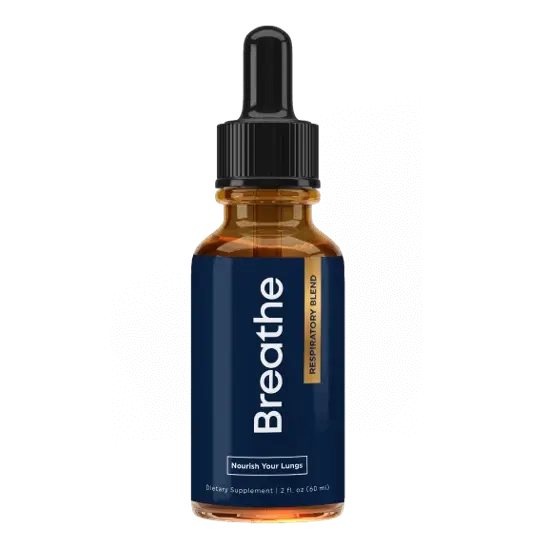
Breathe reviewBreathe is a liquid herbal drop with manuka honey, thyme, mullein, peppermint, ginger and lemon peel in an undisclosed 550 mg blend. Evidenc...
Reader reviews
No reader reviews yet. If you have tried Mullein, you can be the first to share how it went.
Reader reviews are personal opinions from visitors. We do not verify purchases, and reviews are not medical advice. We publish positive and negative reviews alike; see our review guidelines.
Write a review
Sources
- Health-promoting and disease-mitigating potential of Verbascum thapsus L. (common mullein): A review. Phytother Res, 2022
- Mullein: Benefits and Risks. Cleveland Clinic