What is manuka honey?
Manuka honey is honey produced by bees that feed on the flowers of the manuka bush (Leptospermum scoparium), native to New Zealand and parts of Australia. It stands out from other honeys for its high content of methylglyoxal (MGO), a compound linked to its antibacterial activity in laboratory tests. Products are often graded by MGO content or by a “Unique Manuka Factor” (UMF) rating.
Like all honey, manuka honey is mostly sugar (fructose and glucose) with small amounts of other compounds. It is used as a food, in wound-care dressings and in throat-soothing products.
What the research says
The best human evidence concerns honey in general, not manuka specifically. A 2018 Cochrane review of six randomized trials in 899 children with acute cough, mostly from colds, concluded that honey probably relieves cough symptoms more than no treatment or placebo and may work about as well as the cough suppressant dextromethorphan. The reviewers noted that most children were treated for only one night and that there was no strong evidence for or against honey overall. These studies gave honey by the spoonful, at doses of several grams.
For manuka honey, a 2018 overview described its antibacterial activity in laboratory studies, largely attributed to methylglyoxal. Medical-grade manuka honey is used in some wound dressings. However, laboratory antibacterial effects do not show that eating or swallowing small amounts of manuka honey protects against or clears infections in the body, and we found no good evidence that it supports lung function.
Overall, honey has moderate evidence for easing a short-term cough, while manuka-specific claims beyond that remain preliminary.
How it’s used in supplements
Manuka honey is sold as a jarred food, in lozenges and throat sprays, and as an ingredient in liquid herbal blends. Cough research used honey in teaspoon amounts, often before bedtime. In multi-ingredient blends measured in milligrams, honey is usually present in much smaller amounts.
Honey is safe for most people over one year of age. It must never be given to infants under 12 months because of the risk of infant botulism. People with diabetes should count honey as added sugar, and people with allergies to bee products or pollen should be cautious. Honey can also contribute to tooth decay if used often without brushing.
A cough that lasts more than a few weeks, or any cough with shortness of breath, chest pain, high fever or blood, needs a doctor’s evaluation rather than home remedies.
Safety and cautions
Never give honey to infants under 1 year. Counts as added sugar for people with diabetes. Avoid if allergic to bee products. Persistent cough needs a doctor's evaluation.
Supplements we reviewed that contain it
★★☆☆☆
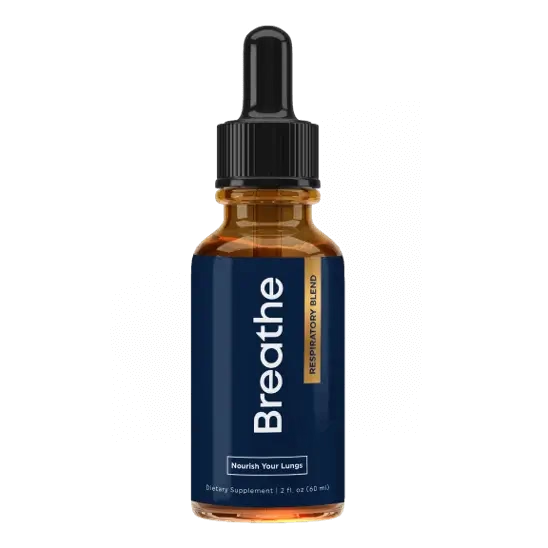
Breathe reviewBreathe is a liquid herbal drop with manuka honey, thyme, mullein, peppermint, ginger and lemon peel in an undisclosed 550 mg blend. Evidenc...
Reader reviews
No reader reviews yet. If you have tried Manuka Honey, you can be the first to share how it went.
Reader reviews are personal opinions from visitors. We do not verify purchases, and reviews are not medical advice. We publish positive and negative reviews alike; see our review guidelines.
Write a review
Sources
- Honey for acute cough in children. Cochrane Database Syst Rev, 2018
- Effect of honey, dextromethorphan, and no treatment on nocturnal cough and sleep quality for coughing children and their parents. Arch Pediatr Adolesc Med, 2007
- Antibacterial activity of Manuka honey and its components: An overview. AIMS Microbiol, 2018