What is maitake?
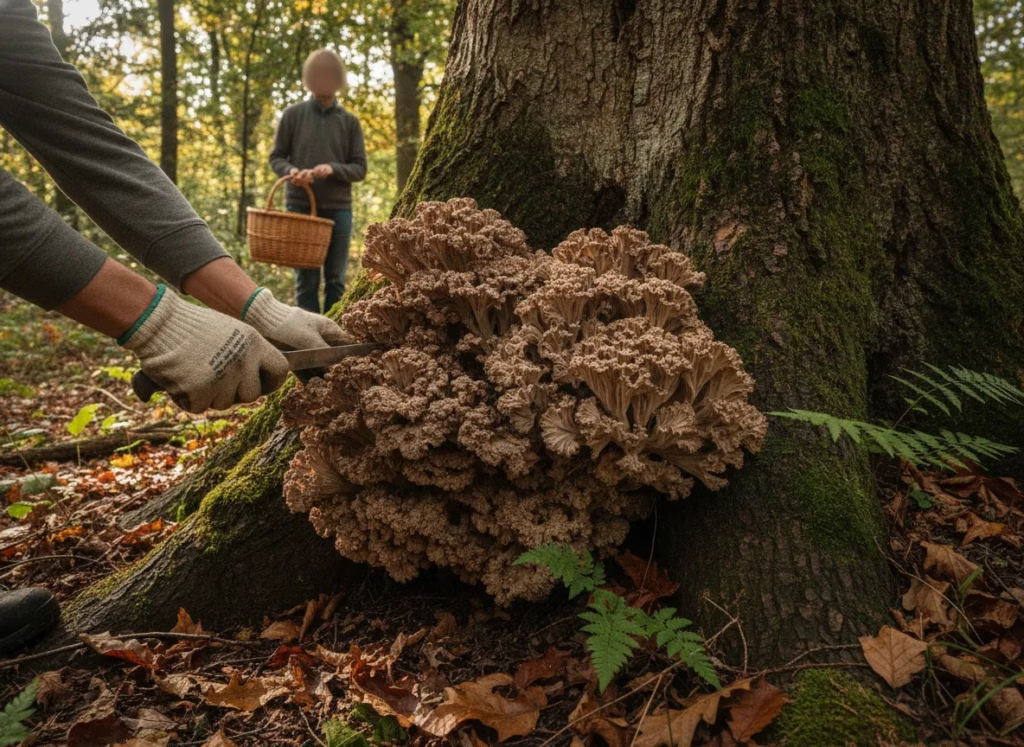
Maitake, also known as hen of the woods, is an edible mushroom that grows in clusters at the base of oak trees. Its name is often translated as “dancing mushroom.” It is eaten as food in Japan and North America and sold as extracts, most famously a beta-glucan-rich preparation called the D-fraction or MD-fraction. Researchers have been interested in its polysaccharides for immune effects and in other fractions for blood sugar.
What the research says
Overall quality of evidence
A systematic review by the Natural Standard Research Collaboration looked at the evidence for maitake in cancer, diabetes and immune stimulation and concluded that there was a lack of systematic study of its safety and effectiveness in humans, calling for randomized trials (Ulbricht et al., 2009). Since then, human studies remain few.
Cognition and immunity
A 2026 randomized, double-blind trial in 47 healthy Japanese adults aged 60 and older gave bread containing 50 grams of one of two maitake strains, or plain bread, for 18 weeks. One strain improved scores on a cognitive screening test and natural killer cell activity compared with placebo; the other strain did not. No one dropped out because of side effects (Jogi et al., 2026). The study was small and partly run by a mushroom producer, and the strain-dependent result shows that “maitake” is not one uniform ingredient.
Cholesterol and blood sugar
Claims that maitake supports cholesterol or blood sugar come mainly from rodent studies. We did not find well-designed human trials showing that maitake extracts lower LDL cholesterol. Results in rats fed high-fat or diabetic diets often do not carry over to people, especially at the much smaller doses found in capsules.
Why strain and preparation matter
The 2026 cognition trial is a useful reminder that two maitake strains can behave differently in the same study. Commercial products also differ in whether they use fruiting body or mycelium, whole powder or a hot-water extract, and few disclose beta-glucan content. That variability makes it hard to assume any given product will match published research.
How it’s used in supplements
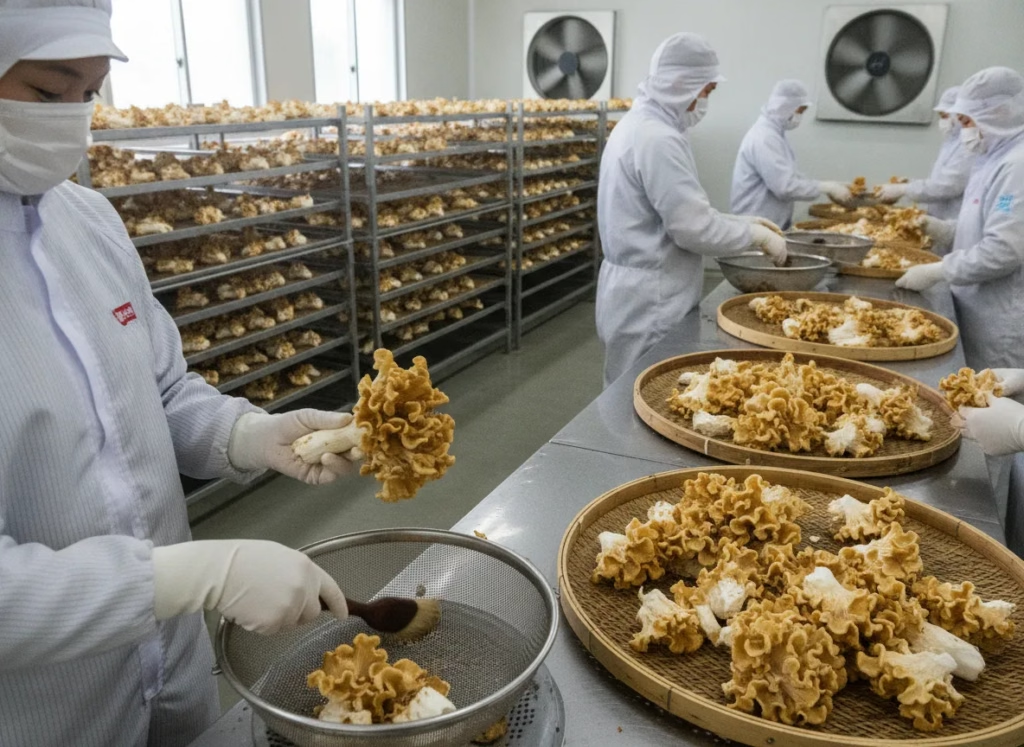
Maitake appears in mushroom blends, standalone extract capsules and liquid D-fraction drops. Doses vary widely and are often not disclosed when maitake is part of a proprietary blend. Because animal studies suggest it may lower blood sugar, people taking diabetes medicines should monitor their glucose and talk to their doctor. People on immune-suppressing drugs or blood thinners, and those who are pregnant or breastfeeding, should also check with a clinician first. Cooking and eating maitake as food is a low-risk way to enjoy it.
Safety and cautions
Generally well tolerated as food. May affect blood sugar based on animal data; caution with diabetes medicines. Ask a doctor if you use immunosuppressants or blood thinners, or are pregnant or breastfeeding.
Supplements we reviewed that contain it
★★★☆☆
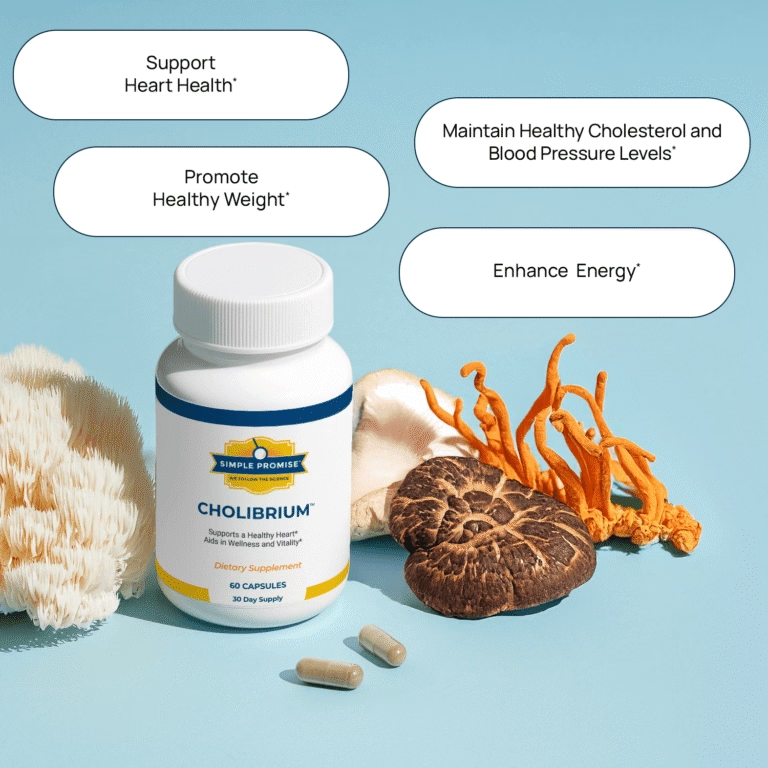
Cholibrium reviewCholibrium is a 10-mushroom capsule marketed for heart and cholesterol support. Its label is partly transparent, but human evidence that the...
Reader reviews
No reader reviews yet. If you have tried Maitake Mushroom, you can be the first to share how it went.
Reader reviews are personal opinions from visitors. We do not verify purchases, and reviews are not medical advice. We publish positive and negative reviews alike; see our review guidelines.
Write a review
Sources
- Maitake mushroom (Grifola frondosa): systematic review by the natural standard research collaboration. J Soc Integr Oncol, 2009
- Maitake Mushroom (Grifola frondosa) Enhances Cognitive Function in Healthy Older Japanese: A Randomized, Double-Blind, Placebo-Controlled Trial. J Nutr Sci Vitaminol (Tokyo), 2026