What is lemon peel?
Lemon peel is the outer rind of the lemon fruit (Citrus limon). It contains the fragrant essential oil responsible for lemon’s scent, mainly limonene, along with fiber such as pectin and a group of plant compounds called flavonoids, including hesperidin and eriocitrin. In cooking it is used as zest, and in supplements it appears as a dried powder or extract, often for flavor.
Citrus peels as a group have attracted research interest because they hold more flavonoids than the juice or pulp. Much of this peel is a byproduct of the juice industry, and scientists are studying how to put it to use in foods and supplements.
What the research says
A 2020 review of citrus peel described high levels of phenolic compounds, such as hesperidin and naringin, with antioxidant activity, noting that peels contain more of these compounds than the edible fruit. A 2022 narrative review of citrus peels and extracts focused on brain health and metabolism; it described mostly preclinical evidence along with some small human and observational studies, often involving citrus species other than lemon.
We did not find controlled human studies showing that lemon peel supports breathing, lung function or respiratory health. Its presence in respiratory blends seems to reflect flavor and tradition more than evidence. Any antioxidant activity seen in laboratory tests does not necessarily translate into a measurable benefit when small amounts are swallowed.
Overall, the evidence for lemon peel as a health-supporting supplement ingredient is preliminary. Eating citrus fruit as part of a varied diet remains a sensible way to get these compounds along with vitamin C and fiber.
How it’s used in supplements
Lemon peel powder and extract are common in herbal teas, drink mixes and liquid supplements, where they add a bright citrus flavor and some flavonoids. There is no established supplemental dose. When it appears in a proprietary blend, the amount is usually small and not disclosed.
In food amounts, lemon peel is considered safe for most people. Some people are allergic to citrus, and citrus peel oils can irritate the skin or mouth in sensitive individuals. Concentrated citrus extracts have not been well studied for drug interactions, so talk to your doctor if you take prescription medications and plan to use a concentrated lemon peel product regularly.
If you are considering any supplement for breathing symptoms, remember that ongoing cough, wheezing or shortness of breath should be evaluated by a doctor.
Safety and cautions
Safe in food amounts. Avoid if allergic to citrus. Concentrated extracts are not well studied for drug interactions.
Supplements we reviewed that contain it
★★☆☆☆
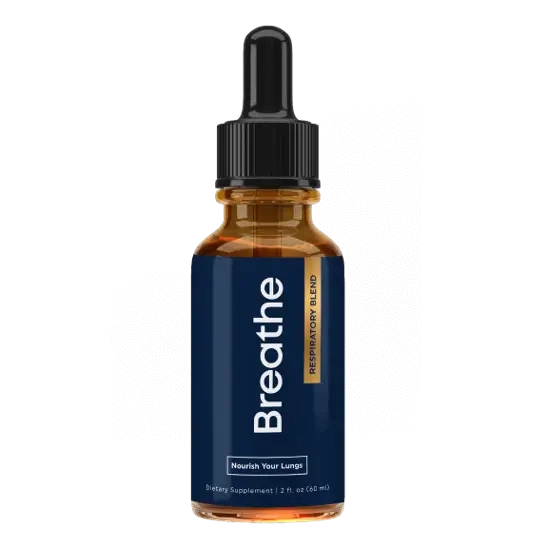
Breathe reviewBreathe is a liquid herbal drop with manuka honey, thyme, mullein, peppermint, ginger and lemon peel in an undisclosed 550 mg blend. Evidenc...
Reader reviews
No reader reviews yet. If you have tried Lemon Peel, you can be the first to share how it went.
Reader reviews are personal opinions from visitors. We do not verify purchases, and reviews are not medical advice. We publish positive and negative reviews alike; see our review guidelines.