What is Lactobacillus fermentum?
Lactobacillus fermentum, now formally called Limosilactobacillus fermentum, is a lactic acid bacterium found in fermented foods such as sourdough, some cheeses and fermented vegetables, and in the human gut and breast milk. Several strains have been developed as probiotics, including CECT5716, which was isolated from human milk.
Like all probiotic species, L. fermentum has strain-specific effects. A label that lists only the species name does not tell you which strain you are getting or which studies apply.
What the research says
Most human research on L. fermentum focuses on specific strains for outcomes such as gut infections in infants, immune markers and antioxidant status. A 2024 review described L. fermentum strains as promising probiotic candidates, while noting that much of the evidence comes from laboratory and animal studies and that more well-designed human trials are needed.
For body weight, the evidence is thin. Some supplement marketing cites a small, short trial reporting a slightly larger drop in body fat with L. fermentum than with placebo over about six weeks. We were not able to locate this study in PubMed, so we could not review its design or results directly. More broadly, a 2018 meta-analysis of 15 randomized trials found that probiotics as a group produced an average extra weight loss of only about 0.6 kg versus placebo, and the NIH Office of Dietary Supplements describes probiotic effects on weight as inconsistent.
Taken together, there is not enough human evidence to say that L. fermentum supports weight management. Its use for this purpose should be considered preliminary. If you are trying to manage your weight, changes in diet quality, fiber intake, physical activity and sleep have far more support than any single probiotic species.
How it’s used in supplements
L. fermentum usually appears as one strain among several in multi-strain probiotic blends. In weight management products it is often included in a proprietary blend without its own CFU count, which makes it impossible to know how much is present. Studied doses of individual strains typically range from about 1 billion to 10 billion CFU per day.
Probiotics are generally considered safe for healthy adults, with mild gas and bloating as the most common side effects. NCCIH notes that people with weakened immune systems or serious illnesses face a risk of infection from probiotic bacteria and should talk with a doctor before use. Because supplements are not reviewed for effectiveness before sale, look for products that list the strain designation and a CFU count guaranteed through the expiration date.
Safety and cautions
Generally safe for healthy adults; may cause gas or bloating. Avoid without medical advice if you have a weakened immune system or a serious illness.
Supplements we reviewed that contain it
★★★☆☆
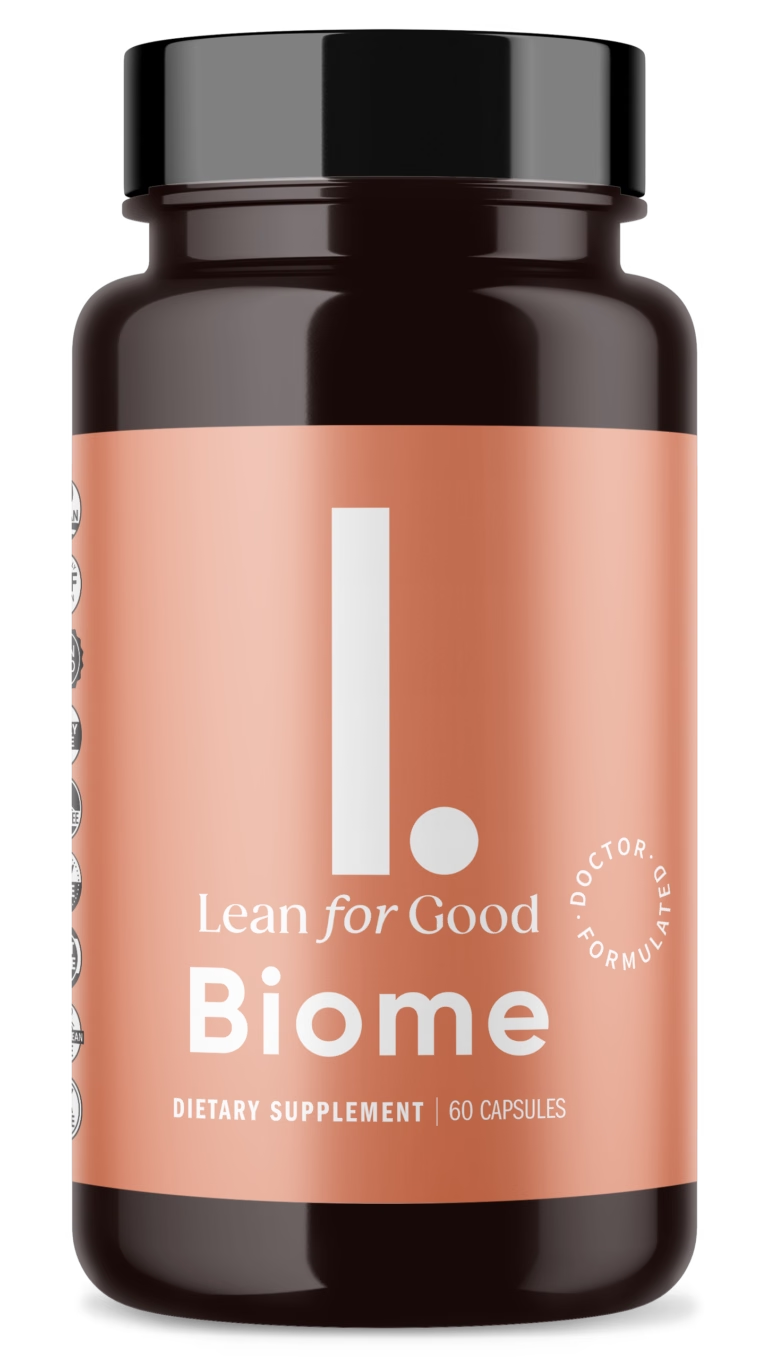
LeanBiome reviewLeanBiome (now labeled Biome) is a capsule with nine probiotic strains, inulin, decaffeinated green tea phytosome and a Sphaeranthus and man...
Reader reviews
No reader reviews yet. If you have tried Lactobacillus fermentum, you can be the first to share how it went.
Reader reviews are personal opinions from visitors. We do not verify purchases, and reviews are not medical advice. We publish positive and negative reviews alike; see our review guidelines.
Write a review
Sources
- Limosilactobacillus fermentum Strains as Novel Probiotic Candidates to Promote Host Health Benefits and Development of Biotherapeutics: A Comprehensive Review. Probiotics Antimicrob Proteins, 2024
- Limosilactobacillus fermentum CECT5716: Clinical Potential of a Probiotic Strain Isolated from Human Milk. Nutrients, 2023
- Effects of probiotics on body weight, body mass index, fat mass and fat percentage in subjects with overweight or obesity: a systematic review and meta-analysis of randomized controlled trials. Obes Rev, 2018
- Probiotics: Usefulness and Safety. NCCIH
- Dietary Supplements for Weight Loss Fact Sheet for Health Professionals. NIH Office of Dietary Supplements